Full story
Missiles, sirens, and interceptions
The United Arab Emirates said its air-defense systems detected an incoming missile threat and that any sounds heard were the result of air-defense interceptions, as the defense ministry posted on X that it had “full readiness to respond to any threat and safeguard the UAE’s sovereignty, security and stability.”
“UAE air defenses detected two ballistic missiles launched from Iran toward the country”
Anadolu Ajansı reported that the UAE defense ministry said the threat was being dealt with, while noting that “no information about the reported missile’s origin had been made public.”

ASHARQ AL-AWSAT later said the UAE accused Iran of firing two ballistic missiles at its territory, with the first falling outside the country’s territorial waters and the second falling within them.
Xinhua similarly said the UAE detected “two ballistic missiles launched from Iran toward the country,” and added that the UAE remained on high alert and fully prepared to deal with any threats.
Ynetnews said the alerts were the first reported in the country since July 12, and that about half an hour after the warnings were issued, the UAE Interior Ministry said the “situation is safe.”
UAE warnings and public guidance
In the UAE’s account of the incident, a brief phone alert warned residents of a “potential missile threat” and told them to “immediately seek a safe place in the closest secure building,” before the alert was lifted shortly afterward.
Anadolu Ajansı described the defense ministry’s position that “If sounds are heard, they are the result of interceptions,” and said the threat was being dealt with.

Kurdistan24 said the UAE issued a brief emergency phone alert after the ministry detected missiles “directed towards the country,” while adding that the ministry did not provide further details on the number of missiles, their origin, or whether any were intercepted.
The Jerusalem Post-linked reporting in Latest news from Azerbaijan said the UAE defense ministry posted that “If any sounds are heard, they are the result of air defense interceptions,” while not identifying where the missile originated.
Yemen Online’s compilation likewise framed the UAE defense ministry’s clarification that any sounds heard across parts of the country were the result of air defense systems intercepting and engaging incoming threats.
Regional conflict backdrop
The UAE’s missile alerts were presented in the sources alongside the broader regional conflict, with ASHARQ AL-AWSAT saying that when the Middle East war began on February 28, the UAE “bore the brunt of Iran's attacks,” with nearly 3,000 missiles and drones directed at the country.
“nearly 3,000 missiles and drones directed at the country”
ASHARQ AL-AWSAT also said that after a memorandum of understanding came into effect in June between the two parties, which has since collapsed, the UAE reported no attacks.
Shafaq News said the UAE Foreign Ministry blamed Iran for an attack targeting two ADNOC vessels while transiting the Strait of Hormuz, and it added that the UAE detected a missile threat and activated its air defense systems without identifying where the missile originated.
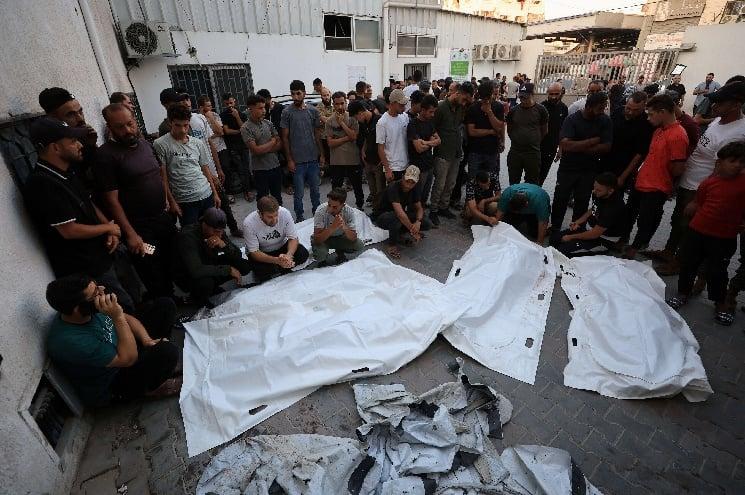
Al-Manar TV Lebanon tied the conflict to attacks in the region by reporting that an “Israeli occupation’s bombing of a cafe in the port of Gaza City” killed “6 martyrs, including a child, and 10 wounded.”
Al-Manar TV Lebanon also quoted Lebanese Army Commander General Rudolph Haykal saying the Army continues to implement tasks related to a framework agreement while “the Israeli occupation forces continue their attacks and violations of the understandings within the agreement.”