Full story
Hormuz Attacks, Blockade Threat
Two oil tankers operated by Abu Dhabi National Oil Company (ADNOC) were attacked while transiting the Strait of Hormuz on Thursday evening, according to ADNOC and the UKMTO centre, with ADNOC saying no one was injured and that the situation had been brought under control.
““flagrant violation” of the United Nations’ principles of freedom of navigation”
The United Arab Emirates blamed Iran for the attacks, while Tehran did not immediately respond, and the UAE Foreign Ministry called the strikes a “flagrant violation” of the United Nations’ principles of freedom of navigation.

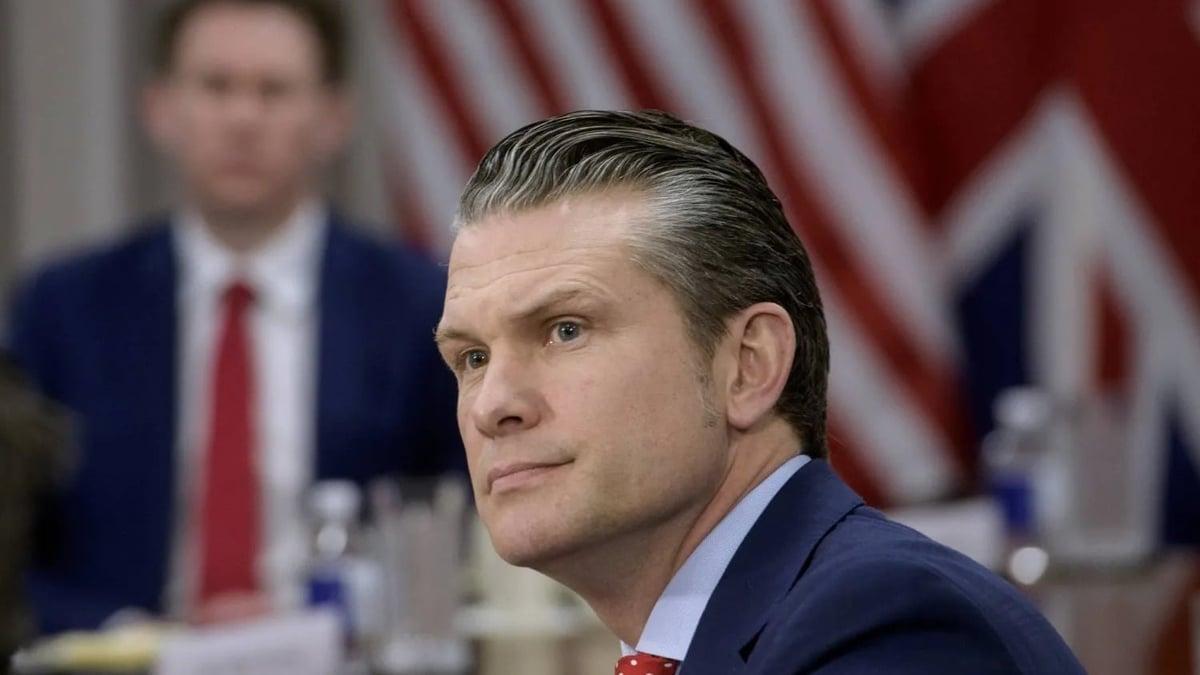
The United States said it could maintain its naval blockade of Iran indefinitely and announced plans to intensify economic pressure, with Defense Secretary Pete Hegseth telling reporters, “Indefinitely the United States Navy can maintain a blockade like that because we’ll rotate ships in and out, as we have, and we’ll continue to,” during a trip to Panama.
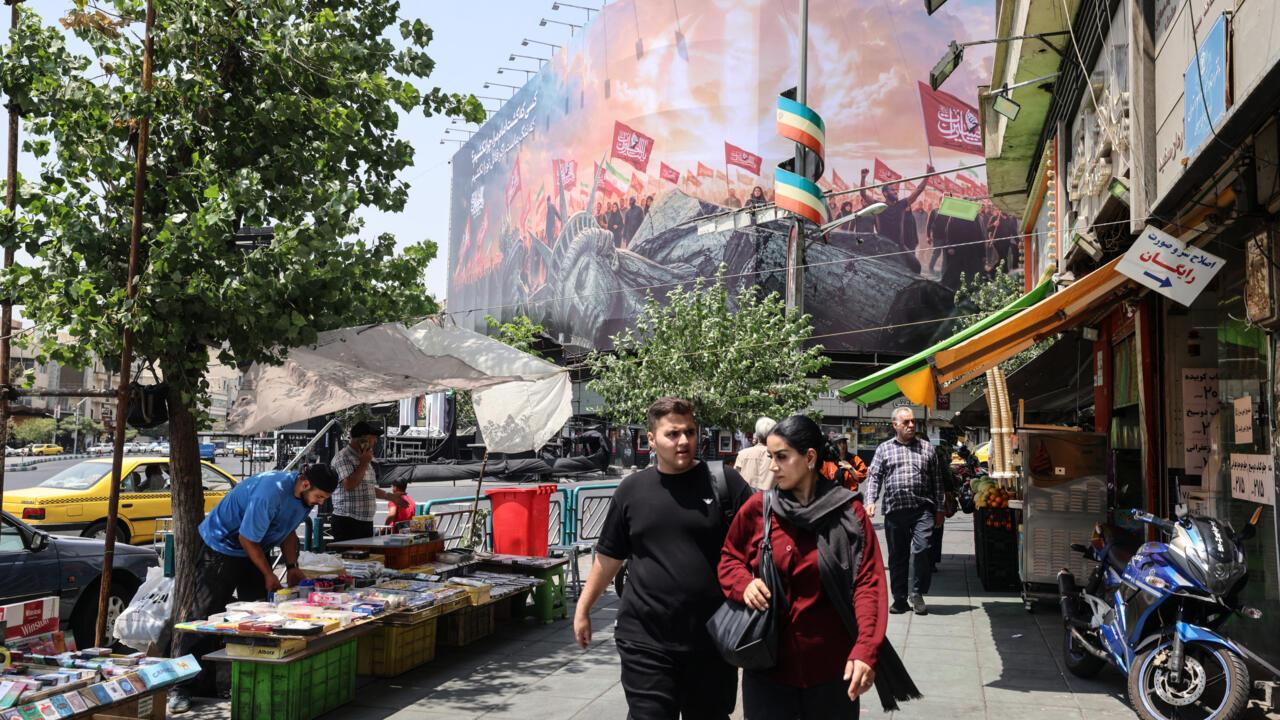
Transit through the Strait of Hormuz appeared to grind to a near standstill on Friday after two more ships were attacked there, and Reuters reported that nine vessels passed through the strait on Thursday, up from five on Wednesday but below the August daily average of 12.
Reuters also reported that Iran has resumed attacks on ships it accuses of trying to transit the strait without its permission, and that Tehran said it will not reopen the strait until its conditions are met, including the removal of economic sanctions and the release of frozen Iranian assets.
Competing Claims and Voices
As the United States threatened an “indefinite” blockade, Iran’s Persian Gulf Strait Authority (PGSA) posted on X that “The Strait of Hormuz remains blocked and will not be reopened until Iran’s conditions are accepted,” rejecting President Donald Trump’s claims that the US had “full control” of the strait.
Reuters reported that Trump has repeatedly asserted that the U.S. has “total control” over the strait, through which a fifth of global oil and liquefied natural gas flowed before the start of the war, while Iran rejects that and says it will not allow the waterway to reopen until its conditions are met.

In the United States, Treasury Secretary Scott Bessent said Washington would apply new measures, telling Newsmax, “Watch this space for more announcements coming next week because we are going to apply measures like have never been seen in the history of economic isolation on a country,” as ceasefire talks remained in deadlock.
The Al Jazeera report also described lawmakers raising alarm after reports of dire conditions on board the USS Abraham Lincoln, including accounts of sailors trying to jump overboard, and it cited a letter from Democratic Senator Richard Blumenthal that the carrier had been “continuously at sea for a record length of nearly seven months”.
CNBC added that after Hegseth’s comments, Rep. Mike Levin said on X that “The reports coming from military families and loved ones about the conditions aboard the USS Lincoln are simply unacceptable,” listing concerns including moldy showers, broken toilets, lack of hot water, and supply shortages.
What’s at Stake Next
Reuters said Iran’s ability to restrict shipping through the strait is its main source of leverage in negotiations, and it linked the near-standstill in traffic to renewed attacks and the U.S. threat of more economic pressure.
“Iran's ability to restrict shipping through the strait is its main source of leverage in negotiations”
The same Reuters report said there were no crude oil shipments visible on Friday, and it noted that two vessels passed through the narrow waterway on Friday while ship-tracking data showed an empty liquefied petroleum products tanker sailing into the Gulf via the strait.
The Indian Express reported that Tehran has said it will not reopen the strait until its conditions are met, including the removal of economic sanctions and the release of frozen Iranian assets, while the United States said it could maintain its naval presence and enforce the blockade indefinitely.
CNBC reported that Bessent said the U.S. would apply economic isolation “like the world has never seen before” and keep “the continued blockade in the Strait of Hormuz that will keep anything from going in or out of the Iranian ports,” tying the next phase of pressure directly to the waterway.
In parallel, Reuters said the U.S. lifted its blockade of Iran’s shipping and ports for a month in mid-June but reimposed it, cutting off Tehran’s primary source of hard currency, and it reported that the pressure campaign has not brought Tehran back to the negotiating table.