UAE Intercepts Iranian Missiles and Drones, Reports 551 Ballistic Missiles Since Attacks Began
Key Takeaways
- UAE air defences intercepted missiles and drones launched from Iran.
- UAE strengthens security ties with the United States and Israel amid Iran conflict.
- Attacks against UAE originated from Iran, prompting air defences activation.
Tankers, missiles, and talks
The US Central Command said it disabled two Iranian-flagged tankers in the Gulf of Oman on May 8 as Washington continued enforcing its blockade on vessels entering or leaving Iran.
“China says it is ‘deeply concerned’ over attacks on UAE amid continued US-Iran conflict Abu Dhabi blamed Tehran for Monday attacks, claims Iran rejected as ‘unfounded’ Riyaz ul Khaliq 07 May 2026•Update: 07 May 2026 Istanbul China on Thursday expressed “deep concern” over attacks on the United Arab Emirates amid the ongoing conflict between the US and Iran, state media reported”
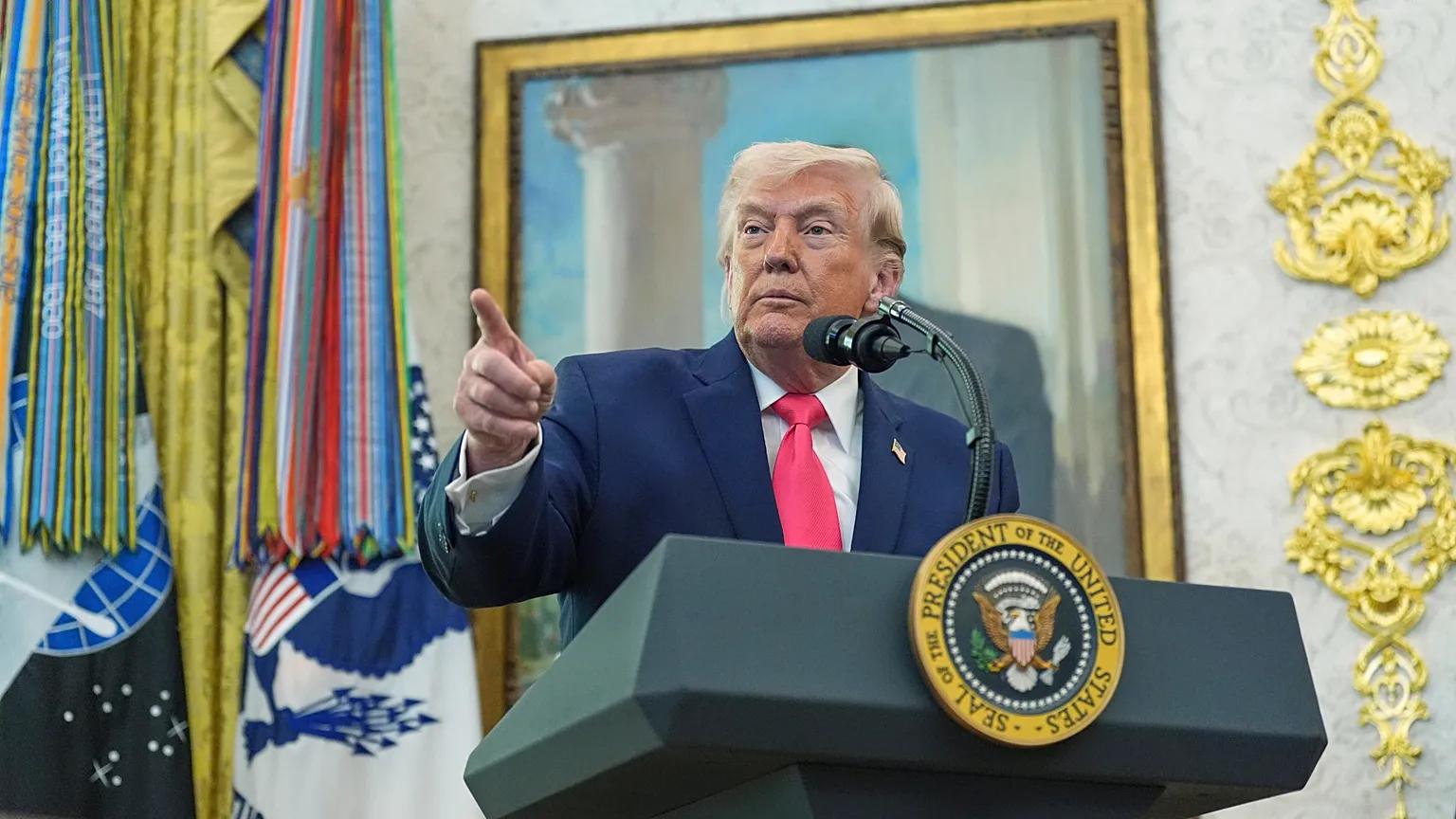
US President Donald Trump told reporters outside the White House on May 8, "I'm getting a letter supposedly tonight, so we'll see how that goes," as he said he expected an answer from Tehran to the latest US peace proposal within the next few hours.

The UAE said its air defense systems intercepted two ballistic missiles and three drones launched from Iran, leaving three people moderately injured, and its Defense Ministry said that since the start of "blatant Iranian attacks" on the UAE, its forces had intercepted 551 ballistic missiles, 29 cruise missiles and 2,263 drones.
Iran said armed clashes with US Navy vessels in the Strait of Hormuz have "ceased" and that the situation is now calm, quoting a military source saying, "After a period of mutual fire, the fighting has ceased and the situation is under control."
UAE air defenses and disputes
The UAE confirmed that its air defence systems were activated to intercept missiles and drones launched from Iran, with the UAE Ministry of Defence saying, "air defences are currently engaging missile and drone attacks originating from Iran," and interception sounds heard across several parts of the country.
China said it was "deeply concerned" over attacks on the United Arab Emirates amid the ongoing conflict between the US and Iran, with Foreign Ministry spokesman Lin Jian telling reporters in Beijing, "The Chinese side firmly opposes any actions that escalate tensions in the region."
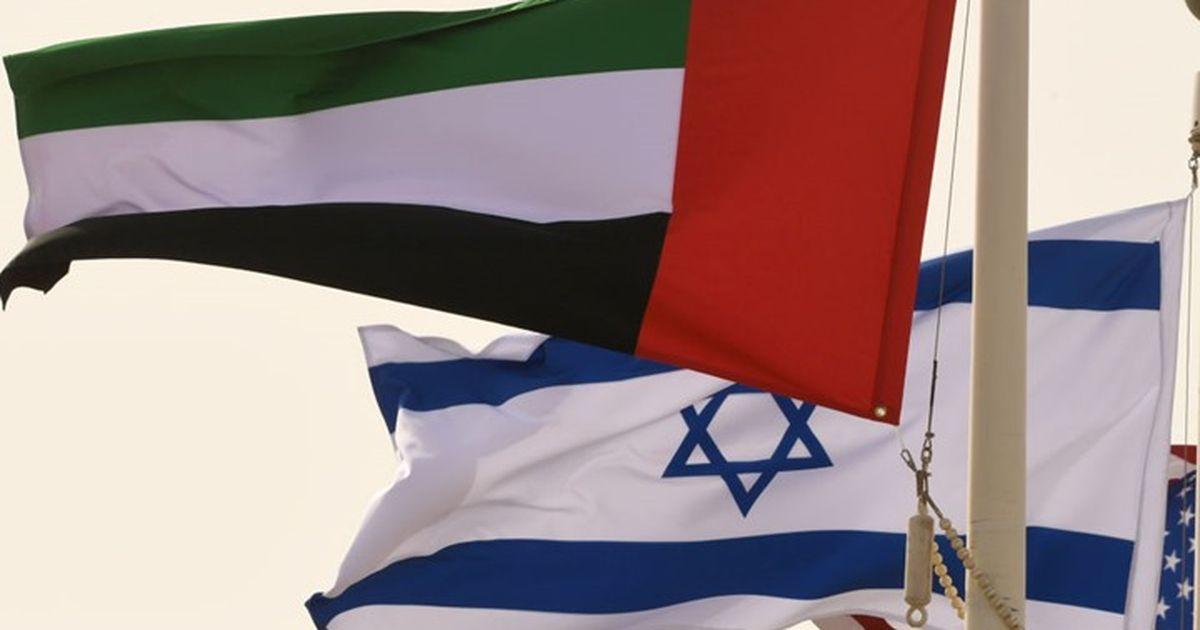
Tehran rejected claims by the UAE that Iran had launched missile or drone attacks against the country, calling them "unfounded," while the UAE said the renewed incidents hit the Fujairah Oil Industry Zone on Monday after the ceasefire between Iran and the US took effect on April 8.
In a separate diplomatic exchange reported by KUNA on May 7, Sheikh Mohammed bin Zayed Al Nahyan received Qatar’s Prime Minister and Foreign Minister Sheikh Mohammed bin Abdulrahman bin Jassim Al Thani, and the UAE News Agency said the meeting addressed regional developments including Qatar’s condemnation of Iranian attacks on the UAE and the UAE President’s solidarity with measures to safeguard security and sovereignty.
Economic hit and next risks
BBC reported that Gulf economies face a long-term hit from the Iran conflict, saying the damage will cost state-owned QatarEnergy a predicted $20bn (£15bn) in lost annual revenues and repairs could take between three to five years.
“The UAE: the flashpoint in the conflict between Iran and the United States – attacks, drones and tension in the Gulf The latest attacks against the United Arab Emirates have triggered the activation of its air defence systems at various locations across the country - Pressure that goes beyond the military sphere - The geographical and economic significance of the target - A balance dependent on containment The Iranian bombings of Emirati energy facilities are neither an isolated incident nor a one-off warning”
The BBC said QatarEnergy’s chief executive Saad Al Kaabi described the scale of damage as having "set the region back by 10 to 20 years," and it cited the International Energy Agency saying more than 80 facilities have been hit since the US and Israel launched strikes on Iran on 28 February, with over a third severely damaged.
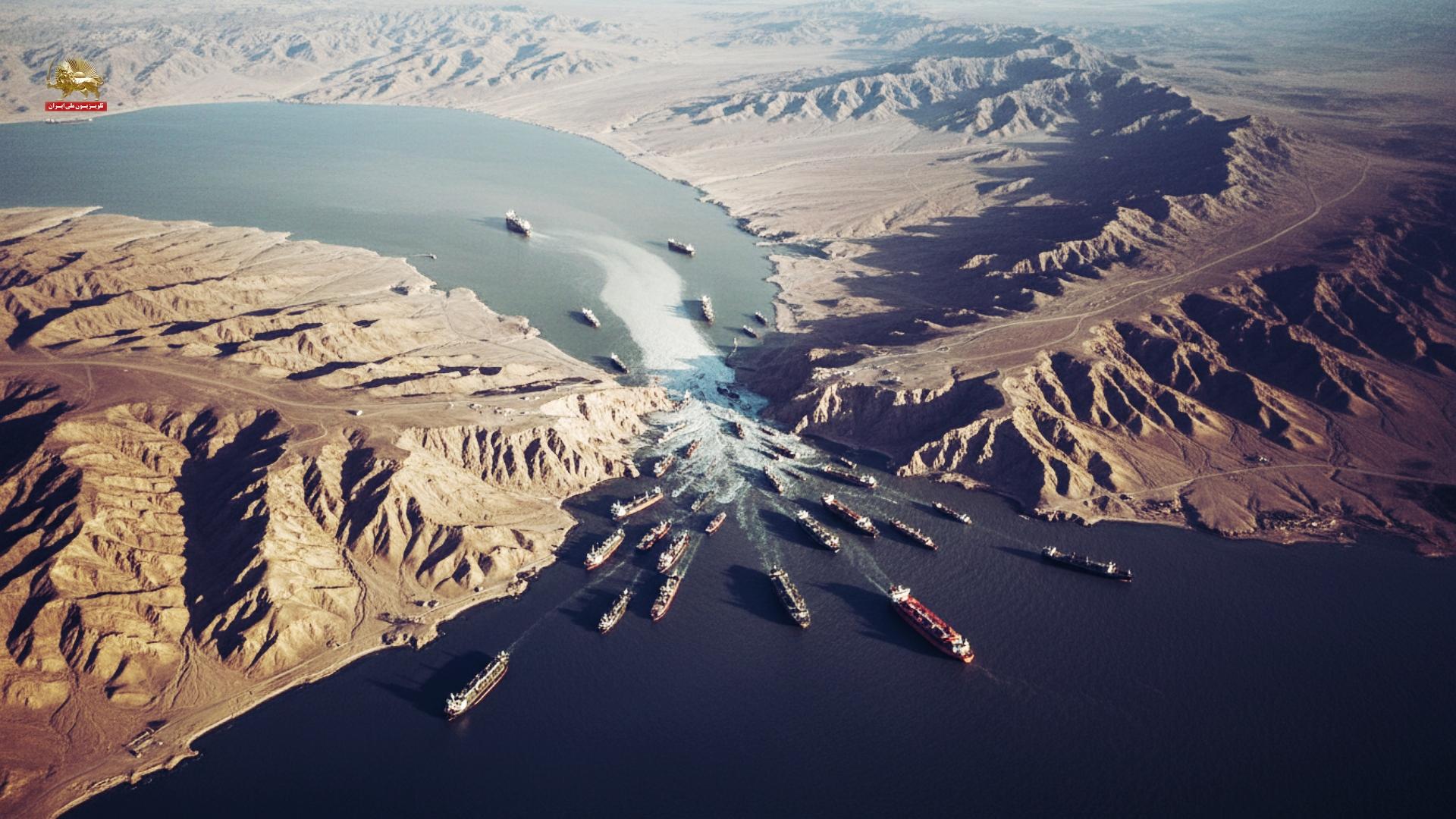
The BBC also said the closure of the Strait of Hormuz has sharply reduced oil and gas exports, noting the narrow passage typically handles around 20% of global oil and LNG flows and that Saudi Arabia has been forced to rely on its East-West pipeline to transfer oil to the Red Sea port of Yanbu while the UAE uses its Fujairah pipeline to bypass the strait.
In parallel, Janes reported that Egypt said it supports the stability and security of the UAE and rejects Iran's recent attacks on the emirates as violations of international law, while the UAE Ministry of Defence said Emirati President Sheikh Mohamed bin Zayed al-Nahyan and Egyptian President Abdel Fattah el-Sisi had "conducted an inspection visit to the Egyptian fighter detachment stationed in the [UAE]" on 7 May 2026.
More on Iran
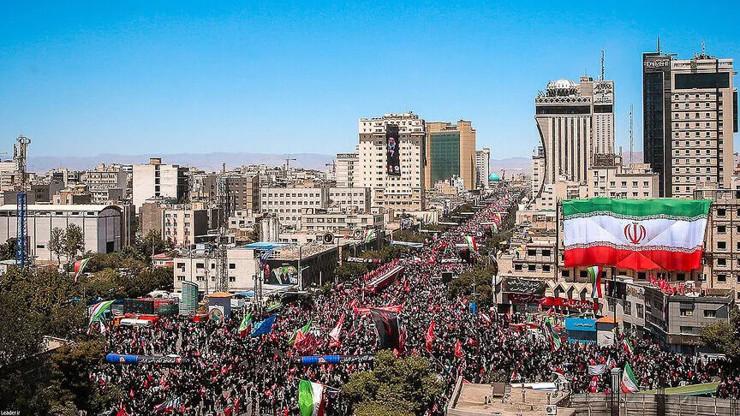
Israeli Strike Kills Ayatollah Ali Khamenei, Buried at Imam Reza Shrine in Mashhad
19 sources compared
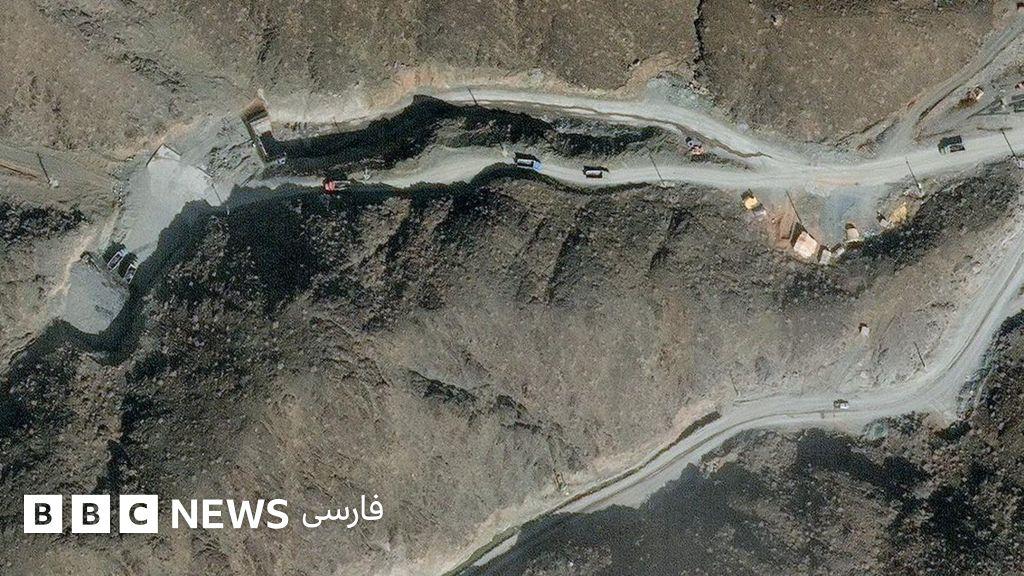
Iran Attempts To Restore Nuclear Sites Damaged In US And Israel Strikes, CNN Satellite Images Show
15 sources compared
Abbas Araghchi and Prince Faisal Bin Farhan Discuss Regional Developments After US Attacks
11 sources compared

Trump Says U.S. Agreed to Continue Iran Talks, Ceasefire Is Over
19 sources compared