
UAE Plans To Cut Strait of Hormuz Dependency To Zero With Ports And Pipelines
Key Takeaways
- UAE aims for zero Hormuz dependency, regardless of the strait's status.
- Plan backed by expanding ports, pipelines, and railways for alternative export routes.
- Regional disruption and Hormuz vulnerability underscore need for resilience in Gulf energy strategy.
Hormuz disruption reshapes Gulf
The Strait of Hormuz, which carries roughly a fifth of global oil and liquefied natural gas exports, became a focal point after the recent Iran conflict disrupted shipping through the waterway using low-cost tools such as drones, mines, and small vessels.
“As the world awaits the full reopening of the Strait of Hormuz following the signing of an interim peace deal between Iran and the US, the United Arab Emirates is working on a highly ambitious plan to try to end its dependence on the critical chokepoint”
The conflict forced Gulf countries to halt around 11 million barrels per day of oil production and disrupted refining and LNG operations across the region, exposing how vulnerable Gulf economies are when exports depend on the strait.
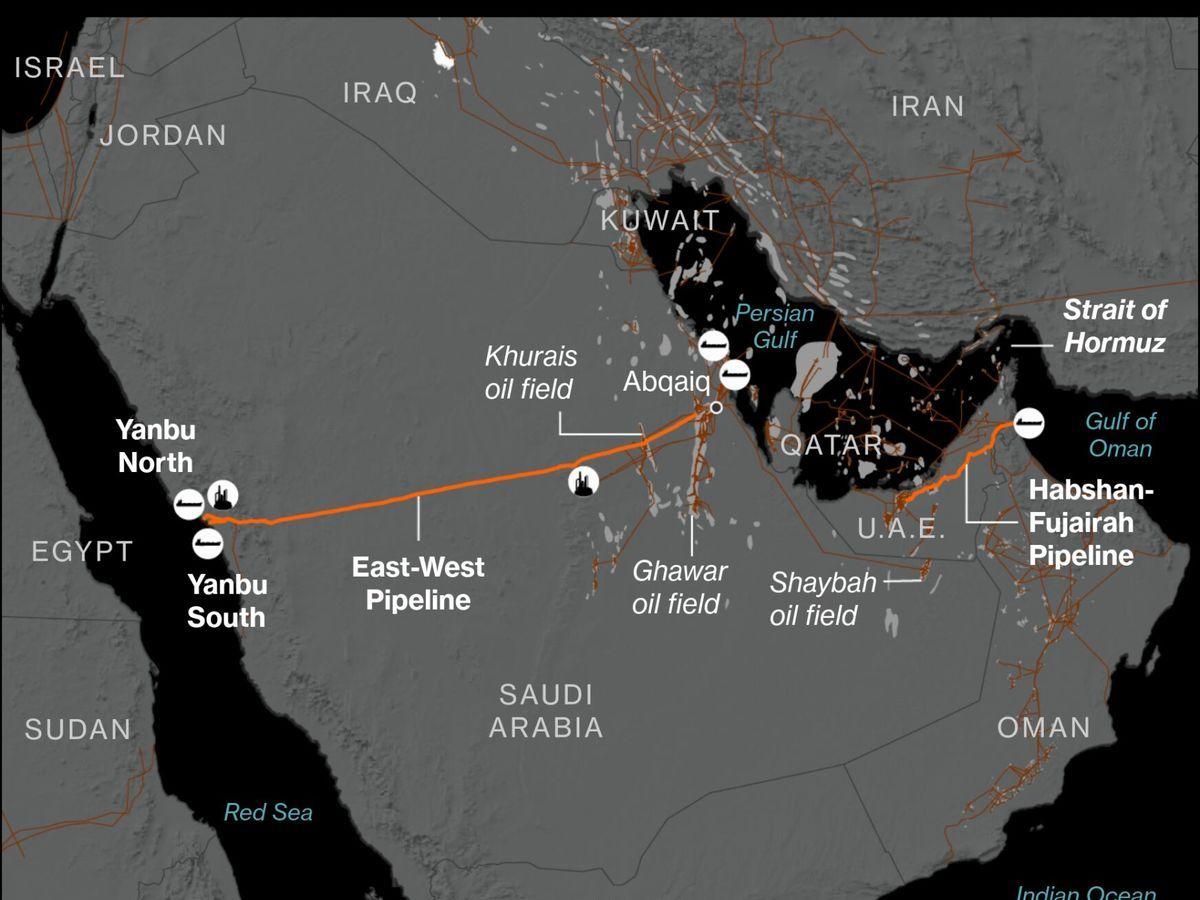
As a result, governments and energy companies now view future disruptions as a realistic possibility rather than a remote threat, accelerating discussions around alternative export routes, pipeline projects, overseas investments, and deeper regional energy cooperation.
The implications extend beyond the Gulf, because a prolonged Hormuz disruption threatens global energy supplies and raises oil and gas prices, while also creating uncertainty for major energy importers in Asia, Europe, and beyond.
UAE targets “zero” dependency
In Abu Dhabi, UAE Minister of Foreign Trade Thani Al Zeyoudi said the country is pursuing a long-term goal of reducing its dependence on the Strait of Hormuz to zero, regardless of whether normal shipping traffic resumes.
Al Zeyoudi told Bloomberg, “We’re moving toward having zero Hormuz dependency and that’s regardless of whether it’s open or not,” and added, “It’s going to open and we hope that will happen quickly, but we will not stop the new plan.”
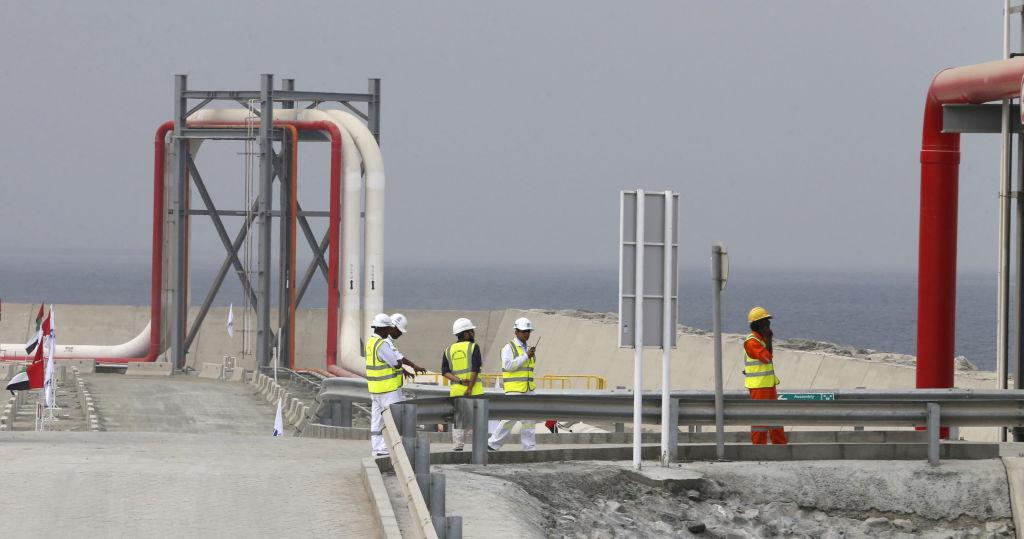
The UAE’s plan centers on expanding eastern coast ports including Fujairah, Khor Fakkan and Dibba, all located outside the Strait of Hormuz on the Gulf of Oman, alongside at least one additional port along the eastern coastline.
The strategy also includes studying investments in new oil and gas pipelines, railway links and road infrastructure, with officials accelerating plans for a second crude oil pipeline to Fujairah that would double export capacity through the port.
Capacity, commodities, and costs
The UAE already has a pipeline capable of transporting 1.5 million barrels of crude oil per day to Fujairah, and the plan includes expanding eastern ports while evaluating additional infrastructure to facilitate exports of liquefied natural gas, petrochemicals and other energy products.
“The United Arab Emirates is seeking to completely eliminate its reliance in the Strait of Hormuz to export energy following the war in Iran, a top official said”
Reuters is cited in Marine Insight as saying planned expansion could take total capacity above 3.5 million barrels per day, while the government has not given a cost or timeline and said the projects will require “significant investment” and remain in the feasibility stage.
Even with pipeline expansions, the sources frame the challenge as shifting more than crude, because other commodities including liquefied natural gas and aluminum are described as harder to transport outside Gulf shipping routes.
The UAE also continues to rely on major Gulf ports such as Jebel Ali for imports and regional trade, even as the plan aims to keep exports moving if access through Hormuz is disrupted.
More on Iran

Iran Closes Strait of Hormuz After Israeli Strikes on Lebanon Ahead of U.S.-Iran Talks in Switzerland
12 sources compared

Donald Trump Says No Tolls in Strait of Hormuz for 60 Days Unless Imposed by USA
10 sources compared
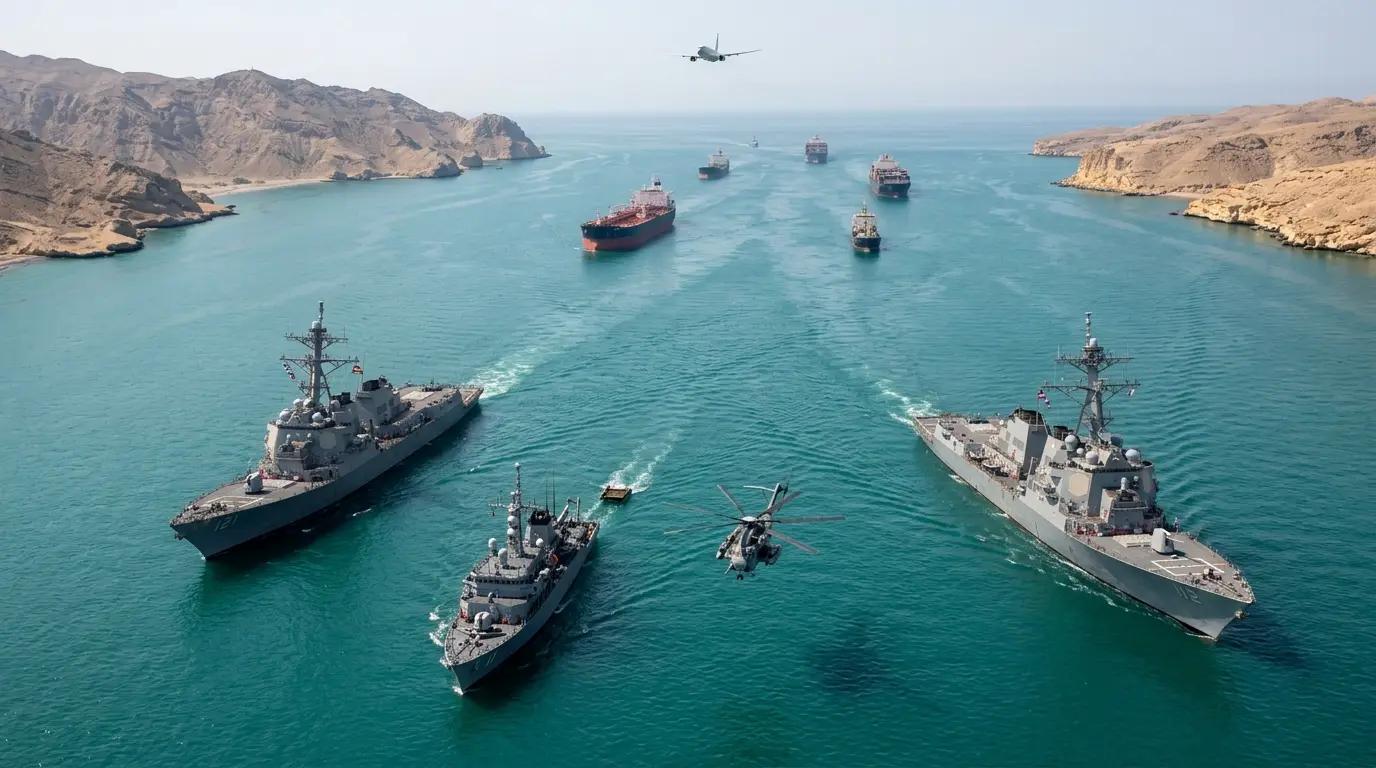
Iran Closes Strait of Hormuz After Israeli Attacks in Lebanon, Trump Threatens US Tolls
10 sources compared
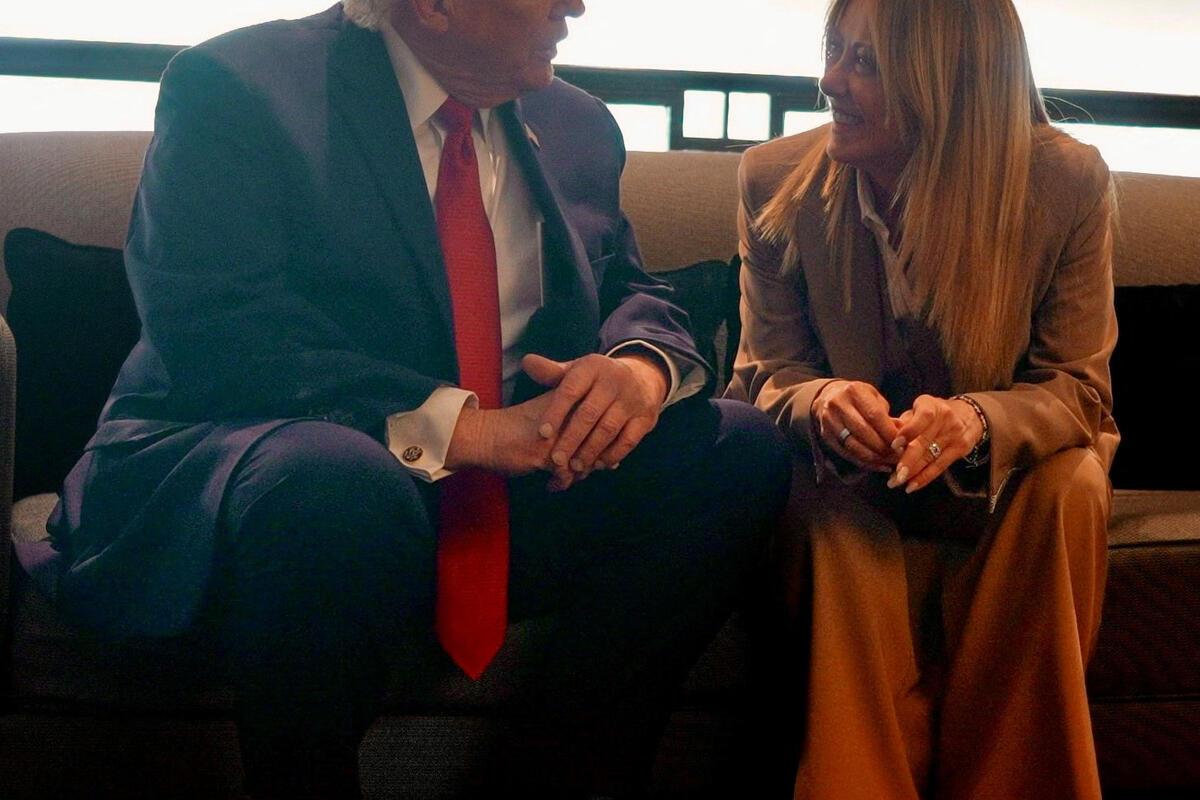
Trump Escalates Feud With Italy’s Giorgia Meloni Over Disputed G7 Photo Claim
13 sources compared