U.K. Allows U.S. to Use Bases to Hit Iranian Forces Menacing Strait Traffic
Key Takeaways
- British bases may be used by U.S. forces to strike Iranian targets.
- Starmer vows UK won't be dragged into war with Iran.
- Britain under pressure from Trump to escalate actions against Iran.
Policy shift details
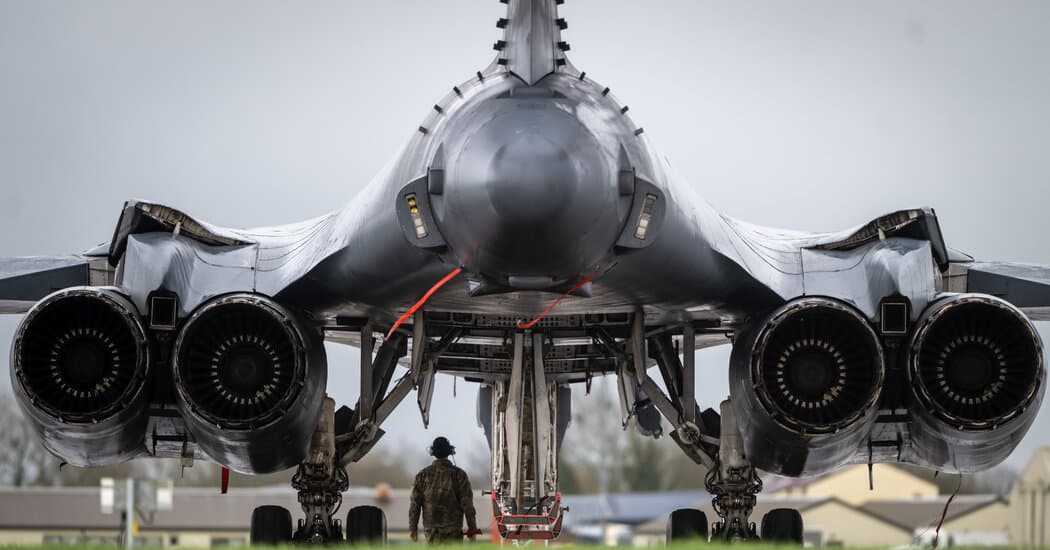
Britain, under pressure from President Trump to do more in the war against Iran, said Friday that American forces could use British bases to strike Iranian forces that are threatening ships in the Strait of Hormuz.
“War in theMiddle East Advertisement Supported by Prime Minister Keir Starmer has vowed not to be dragged into the war with Iran, but his government described its new position as essentially defensive”
Until now, Prime Minister Keir Starmer’s government had allowed British bases to be used by U.S. forces only to strike against Iranian missile launchers used to attack British bases and allies, but not for strikes to defend strait traffic.
The government said the agreement for the U.S. to use U.K. bases in the collective self-defense of the region includes U.S. defensive operations to degrade the missile sites and capabilities being used to attack ships in the Strait of Hormuz.
Mr. Starmer has vowed not to let his nation be drawn into the war with Iran, citing the lessons the country learned after helping the United States wage war against Iraq on what turned out to be deeply flawed intelligence assessments.
Reactions from Trump and Iran
Trump criticized Britain, saying the country should have acted faster and highlighting the close alliance.
Iran’s foreign minister Abbas Araghchi said that allowing the United States to use British bases amounts to participation in aggression, in a readout from a call with British foreign secretary Yvette Cooper.
Starmer is trying to show action to counter rising gas and oil prices as the Strait remains shut, while seeking to preserve a functional relationship with Trump who has mocked him for not joining the war.
Trump mocked Starmer by saying he is not Winston Churchill.
Public opinion and Parliament stance
Polls suggest the British public is deeply opposed to playing a big role in another war in the Middle East.
“War in theMiddle East Advertisement Supported by Prime Minister Keir Starmer has vowed not to be dragged into the war with Iran, but his government described its new position as essentially defensive”
In remarks to Parliament this week, Starmer insisted that his decision to keep British forces out of the fighting was the right one.
He said that Britain would protect its people in the region, defend its allies, and not be drawn into a wider war.
The Friday decision is likely to draw criticism from critics for inching closer to participation in the war, a pressure that began since the second night of the war when a British air base in Cyprus was hit by a drone.
The strike caused little damage, but it caused a chaotic scramble that is still reverberating across Europe.
France, Spain, Greece, Italy and the Netherlands sent warships to the waters around Cyprus for reinforcements.
Regional implications and spillover
The move signals a cautious alignment with U.S. policy by allowing U.S. forces to use British bases for defensive strikes, while Britain maintains it will not participate in offensive attacks.
The Friday decision comes amid regional disruption around the Strait and rising tensions, as the second night of the war saw a drone strike hit a British air base in Cyprus, triggering a chaotic scramble and prompting European naval reinforcements.
Observers note the decision comes with domestic opposition to a larger role in another Middle East conflict and with ongoing pressure from Washington to take bolder action.
More on Iran

Iran Attacks Israeli Towns Dimona and Arad Near Israel's Main Nuclear Research Center, Dozens Wounded
43 sources compared
Iran Attacks Dimona in Retaliation for Natanz Strike
44 sources compared

Iran Attacks Diego Garcia with Long-Range Missiles, Targeting U.S.-UK Base
82 sources compared
Trump Defends Iran War by Citing Pearl Harbor
12 sources compared