Britain17 October, 20253 min read
UK Courts Uphold Palestine Action’s Right to Challenge Government’s Terror Ban Amid Israel Genocide Protests
This article is an automated aggregation of coverage from news outlets. Our editorials offer in-depth analysis curated by the NewsCord team.
UK Court of Appeal ruled Palestine Action can challenge its terrorism ban via judicial review. Government's attempt to restrict challenge to specialist tribunal was rejected by Judge Sue Carr.

13 outlets told this the same way.
Outlets did split on UK Police Charge Teddy Young With Spying For Foreign Power, Royal Navy Member →
UK Court Review of Palestine Action Ban
UK courts have upheld Palestine Action’s right to mount a High Court judicial review of the government’s recent proscription of the group. The courts rejected Home Office efforts to block or route the case elsewhere. Multiple outlets report the review is scheduled around late November.
“A UK court has ruled that a judicial review will proceed on November 25th to challenge the government’s ban on Palestine Action... The ban criminalizes support or membership of Palestine Action, with penalties up to 14 years in prison.”
Middle East Eye and Al Jazeera specify the dates as 25–27 November. This follows the government’s appeal to stop the challenge being dismissed.
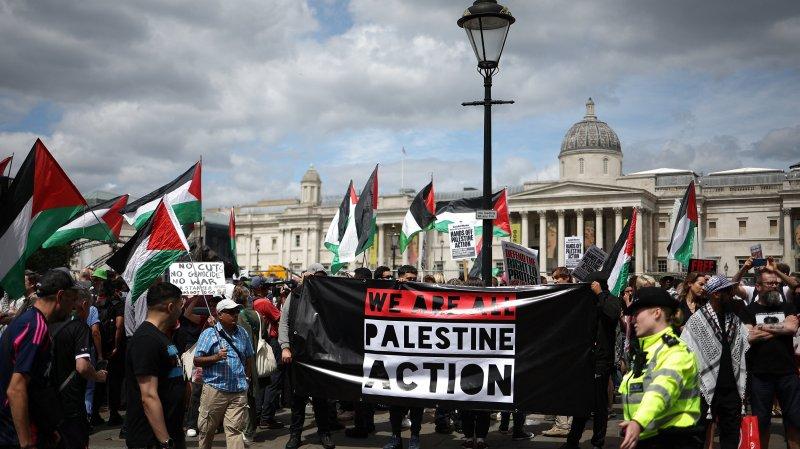
Several sources stress that the July designation criminalizes support or membership with penalties of up to 14 years in prison. The case is being tested as a matter of civil liberties and the rule of law.
Legal Challenge Procedure Dispute
A central procedural dispute concerned where and how the challenge would be heard. Middle East Eye reports that the Home Office pushed for the Proscribed Organisations Appeal Commission. However, the court chose the faster option of a High Court judicial review.
Algemeiner and Asharq Al-Awsat add that Judge Sue Carr decided the High Court was quicker and more appropriate, especially since some supporters are already on trial. The New Arab and AL-Monitor highlight the permission to proceed next month without naming the judge involved. Several sources note the Court of Appeal's role in rejecting the government's attempt to limit the forum and in allowing Ammori to expand the grounds of the challenge.

Civil Liberties and Legal Debate
Civil liberties implications dominate much coverage of the ruling. Middle East Eye and Daily Mail both frame the ruling as a win for civil liberties and accountability amid criticism that the proscription and related arrests reflect an excessive use of counter‑terrorism powers. Al Jazeera highlights activist Huda Ammori’s denunciation of the ban as “utterly Orwellian.”
“The decision is viewed as a significant win for civil liberties amid criticism that the ban and related arrests—over 2,000 protesters detained—constitute an excessive use of counter-terrorism powers.”
Critics, including UN officials and civil liberties groups, argue the group’s actions do not amount to terrorism. The government maintains that violence and criminal damage are unacceptable.
Several outlets report that Amnesty International UK and Liberty plan to intervene in the case. The Home Office says it will review the ruling’s implications.
Protester Arrests and Charges
Impact metrics and enforcement vary by source. Middle East Eye cites over 2,000 protesters detained. Asharq Al‑Awsat reports over 2,000 people detained, with more than 100 charged.
AL‑Monitor lists over 1,000 arrests and more than 100 charges. Latest news from Azerbaijan specifies over 2,100 arrests and about 170 charges. Usmuslims uses a broader description, referring to hundreds of pro‑Palestinian protesters.
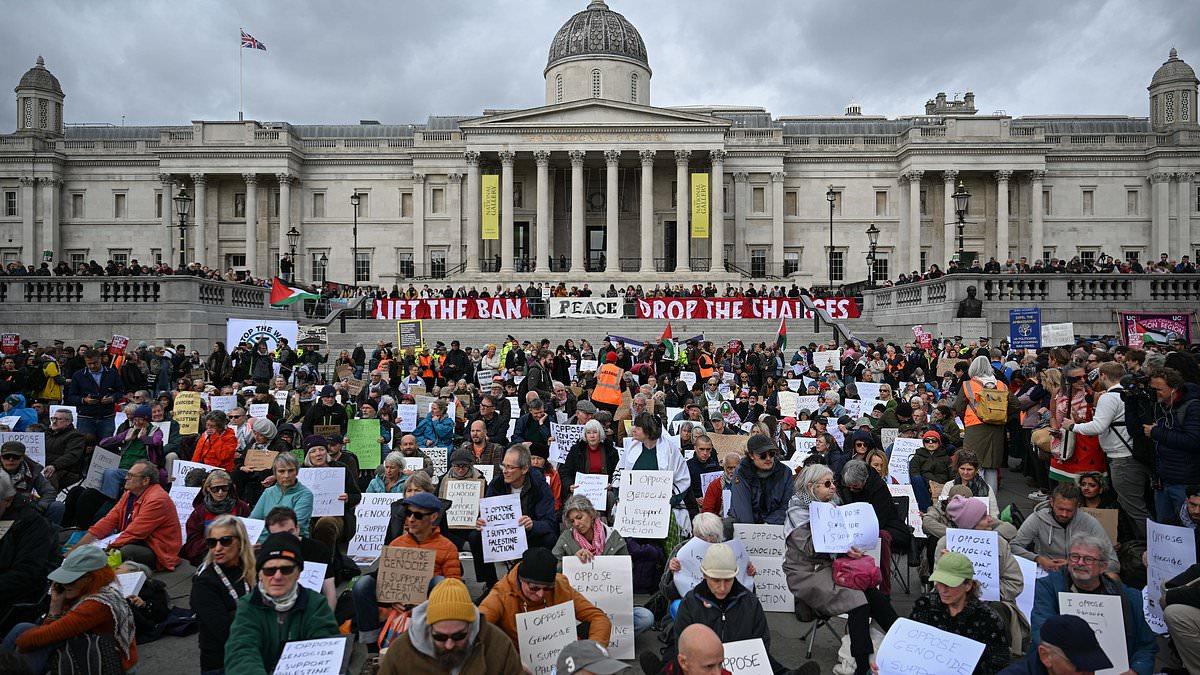
All sources agree the proscription, effective since July, criminalizes membership or support. Penalties for violations can be up to 14 years in prison.
Media Perspectives on Palestine Action
Coverage varies on how to interpret Palestine Action’s tactics and the wider context of Gaza-related protests. Al Jazeera and Asharq Al‑Awsat highlight that the group targets Israel-linked companies such as Elbit Systems and mention critics who accuse the UK of complicity in alleged Israeli war crimes. The Daily Mail focuses on the government’s justification, citing criminal damage to national security infrastructure, intimidation, alleged violence, and serious injuries.
“Palestine Action had targeted UK companies linked to Israel, notably defense firm Elbit Systems, accusing the UK government of complicity in alleged Israeli war crimes in Gaza.”
It also places Palestine Action alongside 81 banned groups, including Hamas and al‑Qaida. AL-Monitor emphasizes that the group is known for vandalism and protests against Israel-linked firms. Some outlets report high Gaza casualty figures and serious allegations, but the excerpts mainly refer to “war crimes” rather than explicitly using the term “genocide.”