Britain14 May, 20262 min read
UK Economy Grows 0.3% in March Despite Iran War, ONS Figures Show
UK GDP grew 0.3% in March despite the Iran war. Q1 growth reached 0.6%, led by services sector.
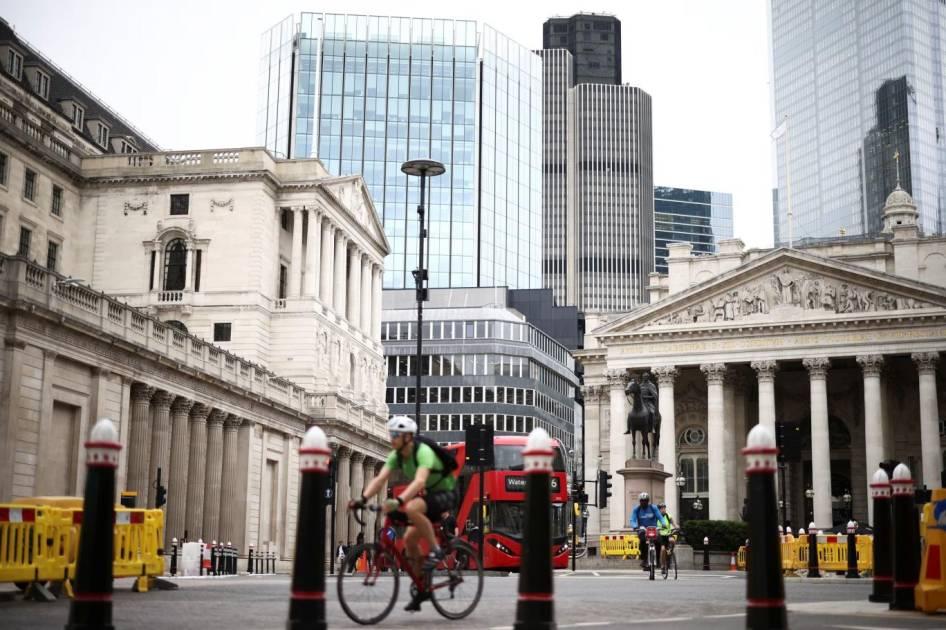
March GDP rises
The UK economy grew by 0.3% in March despite the first impact of the Iran war, according to Office for National Statistics (ONS) figures cited by the BBC. The BBC said the ONS found signs that consumers and businesses brought forward spending in March because of fears over future price rises brought about by the war, including retailers reporting motorists were stocking up on fuel as prices rose sharply.
Chancellor Rachel Reeves said the growth figures showed the government had "the right economic plan" while warning that a Labour leadership contest risked "plunging the country into chaos". The BBC also reported that economic growth in the first three months of the year was 0.6%, led by a rebound in areas such as retailing and construction.

Reeves vs Labour chaos
Sky News reported that GDP expanded 0.3% in March, with economists polled by Reuters predicting a contraction of 0.2%, and said the UK was then "top of the G7 for growth" despite the Iran war. Sky News quoted Reeves warning, "Now is not the time to put our economic stability at risk," and said she argued ministers had "the right economic plan".
The BBC said Reeves told the BBC that "We shouldn't put [economic stability] at risk by plunging the country into chaos" while the war was ongoing. The BBC also quoted shadow chancellor Mel Stride saying the "chaos surrounding the Labour leadership is destabilising Britain's economy" and linked it to borrowing costs hitting their highest level in 30 years.

What comes next
The BBC said the impact of the Iran war was likely to be more pronounced in the second quarter, quoting KPMG chief economist Yael Selfin warning that energy and petrol prices climbing would put households under renewed pressure. The BBC reported that Selfin expected food costs to rise due to disruptions to fertilisers and other essential inputs, and said these increases would weigh on disposable incomes and dampen demand.
Sky News added a note of caution by citing Pantheon Macroeconomics chief UK economist Rob Wood saying, "GDP strength is exaggerated by front-running of potential supply disruptions" and that the figures meant "we need to be cautious about judging the genuine trend." Sky News also said economists still believed the war would slow growth, quoting Resolution Foundation senior economist Simon Pittaway that the war in Iran was set to slow growth, lower typical household incomes by £550 this year, and increase government borrowing by £16bn by the end of the decade.