Britain16 July, 20263 min read
UK Government Consults To Legalise Weddings On Cruise Ships At Sea And Beaches
This article is an automated aggregation of coverage from news outlets. Our editorials offer in-depth analysis curated by the NewsCord team.
Government launches consultation to allow marriages in non-traditional venues, including homes, pubs, beaches, and cruises. Proposals aim to reduce wedding costs and boost Britain's tourism and hospitality industries.
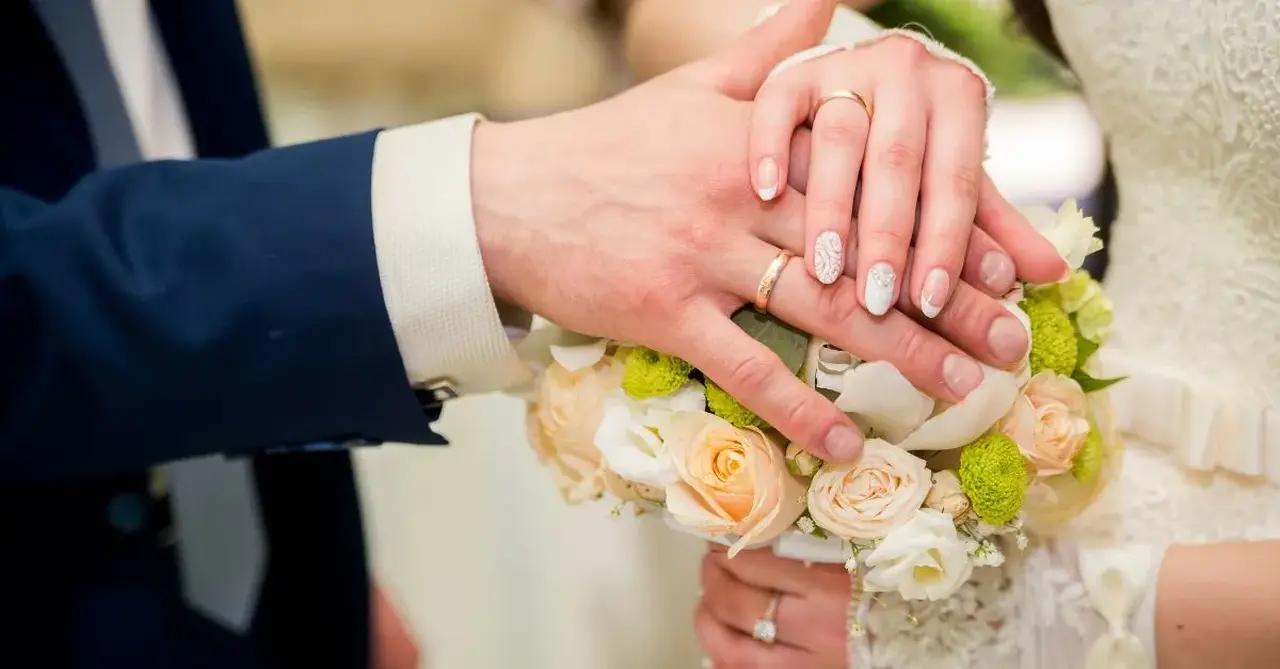
Consultation launched in England
The UK government launched “a major consultation” on proposals to change wedding laws in England and Wales, with the aim of making it possible for couples to “marry almost anywhere.” The Government’s plan would shift wedding legality away from “bricks and mortar” venues so couples could legally marry in settings including “forests and beaches to castles and canal boats, and even cruise ships at sea.” The Ministry of Justice consultation is described as “the biggest shake-up of marriage law in almost 200 years,” and it is set to run until 24 September.
The Government said around 470,000 people get married in England and Wales each year, and it put the average wedding cost in England at more than £20,000, with venue hire alone typically costing around £6,000 before catering. Deputy Prime Minister and Justice Secretary David Lammy said: “They say you can’t put a price on love – but too often, the cost of weddings puts this commitment out of reach.”

Dignity framework and officiants
Under the proposals described by the BBC, couples could legally marry almost anywhere, including “a castle, to a hot-air balloon, a beach or a cruise ship in international waters,” as long as the ceremony location is approved by a registered officiant. The BBC said ceremonies deemed to be “gimmicks” that risk trivialising the legal act of marriage would not be allowed under what the government calls a “dignity framework,” with activities such as “skydiving, white-water rafting, rollercoasters or other amusement rides” set to “fall short of the standard.” The BBC also said the proposals would allow non-religious belief organisations, including Humanists, to conduct legally binding weddings.
In its response to the consultation, the National Secular Society said the reforms would enable all weddings to take place in a much wider range of locations, including private homes, by switching from a “buildings-based” system to an “officiant-based” system. NSS head of campaigns Megan Manson welcomed the consultation, saying: “We welcome the Government's consultation on reforming the archaic and unfair wedding laws in England and Wales.”

Costs, economy, and safeguards
The Government said the proposals could help take some of the sting out of the wedding bill, noting that the average wedding in England costs more than £20,000 and venue hire alone typically costs around £6,000 before any catering. The Law Commission estimate cited by the Government and repeated in other coverage is that the reforms could increase the number of weddings in England and Wales by 3%, generating around £139 million in additional annual spending and contributing over £238 million to the UK economy over the next decade. Justice Minister Baroness Levitt KC said the proposals would untie “outdated restrictions” so all couples can “officially tie the knot in a way that feels right for them,” while maintaining protections to keep weddings “meaningful and legally robust.”
“The proposals could also help take some of the sting out of the wedding bill.”
The BBC said the main legal requirements during a civil ceremony would be signing the paperwork and consenting to the marriage in the presence of an officiant, and it added that the exact details would be announced after the consultation ends on 24 September. The Government said officiants would have to meet strict requirements to conduct weddings and would determine if a location is suitable, with the ability to be deauthorised if they fail to uphold standards.