Britain19 October, 20253 min read
UK Government Launches Plan to Create 400,000 Clean Energy Jobs by 2030
This article is an automated aggregation of coverage from news outlets. Our editorials offer in-depth analysis curated by the NewsCord team.
Government plans to create 400,000 clean energy jobs by 2030 to fill skills gap Training targets 31 priority trades including plumbers, electricians, and welders

6 outlets told this the same way.
UK Clean Energy Job Plan
The UK Government has launched a national clean‑energy workforce plan under Energy Secretary Ed Miliband. The plan targets around 400,000 new jobs and aims to double the green workforce by 2030. Western mainstream coverage highlights the headline scale and jobs goal.
“Energy Secretary Ed Miliband has announced a national plan to create 400,000 new green jobs over the next five years, aiming to double the workforce in green industries by 2030.”
The Guardian reports a national plan to create 400,000 new green jobs over the next five years, aiming to double the workforce in green industries by 2030. The London Evening Standard similarly says it aims to create over 400,000 new jobs by 2030, doubling current opportunities. Other coverage stresses decarbonisation timelines and regional impacts.
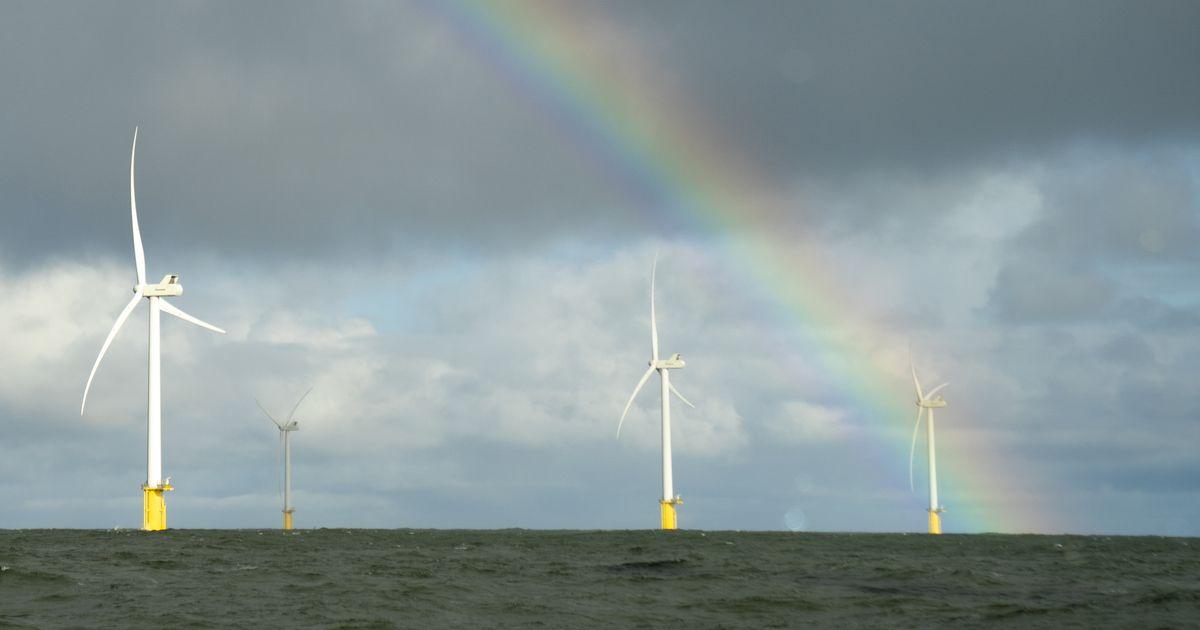
BusinessToday Malaysia frames it as a plan to decarbonise the energy system by 2030, noting the East of England and Scotland will benefit the most. The Evening Standard links the jobs push to the ambition to decarbonize the UK’s electricity grid by 2030, situating the labor plan within broader energy transition goals.
Skilled Trades Workforce Plan
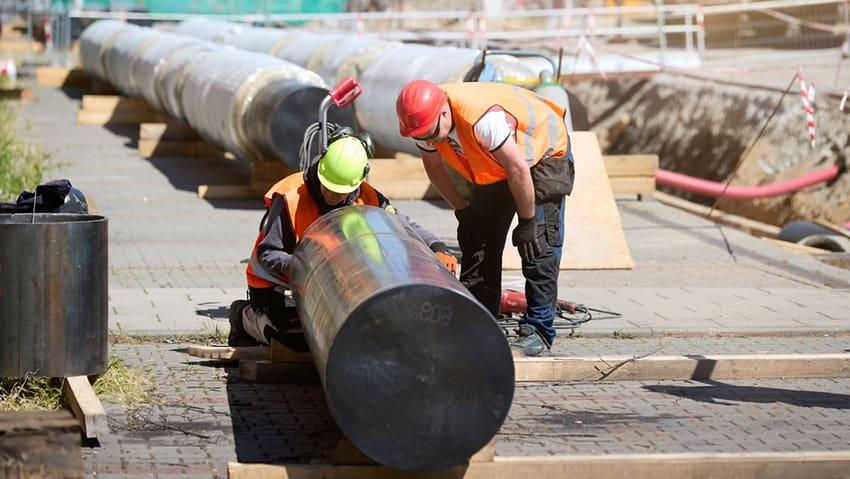
The plan zeroes in on priority skills and talent pipelines. It prioritizes 31 skilled trades, focusing on plumbers, electricians, welders, and carpenters. The plan also targets workers transitioning from fossil fuels, school leavers, the unemployed, veterans, and ex-offenders.
Business Matters quantifies the needs across trades, estimating 8,000 to 10,000 additional plumbers and heating engineers are required. It also calls for 4,000 to 8,500 more electricians, welders, and carpenters. BusinessToday Malaysia emphasizes the need to double the number of plumbers and carpenters and triple the number of welders.

The London Evening Standard adds delivery mechanisms, including five technical excellence colleges. It also mentions special programs to move people into roles in solar, wind, and nuclear energy.
Labor Standards in Public Funding
Labor standards and fair work guarantees are central to some accounts. The Guardian and Business Matters both say companies receiving public funds must provide quality jobs and promote trade union recognition and collective bargaining, including offshore.
“It includes requirements for companies receiving public funds to provide quality jobs and promote trade union recognition and collective bargaining, including in offshore roles.”
The London Evening Standard expands on enforcement, citing a new “fair work charter,” extension of protections like the national minimum wage beyond UK territorial waters, and an expanded “energy skills passport.” This emphasis aligns with reporting that unions have welcomed or praised the plan.
Regional Energy Job Highlights
Regional and project pipelines are highlighted unevenly across outlets. BusinessToday Malaysia points to geographic winners and flagship projects—Sizewell C in Suffolk could generate 10,000 jobs at peak and carbon capture in Scotland and the North East supporting 35,000 roles. London’s clean-energy employment is expected to more than double to around 25,000 by 2030.
The London Evening Standard echoes those figures and adds Rolls-Royce’s small modular reactor program with up to 3,000 jobs. It also mentions up to £20 million to retrain oil and gas workers and an expanded energy skills passport to move people into offshore wind, nuclear, and grid roles. The Guardian’s snippet largely omits these regional and project-specific details, focusing instead on the nationwide jobs and skills architecture.

Workforce and Decarbonisation Strategy
Across outlets, the strategy is framed both as a jobs engine and as the human‑capital backbone of decarbonisation. BusinessToday Malaysia stresses that decarbonisation is about building a new industrial workforce for the future. The Guardian reports Miliband addressed where future good jobs will come from in clean energy.
“The report highlights that decarbonisation is not only about reducing emissions but also about building a new industrial workforce for the future.”
The Evening Standard underscores that the workforce plan serves the push to decarbonize the UK’s electricity grid by 2030 and reports union praise for securing skilled, well-paid, and secure employment. While all agree on the ambition to double the workforce by 2030, the sources vary in emphasis—industry building as highlighted by BusinessToday, labor standards and union architecture noted by The Guardian and Evening Standard, and quantified trade gaps mentioned by Business Matters.