Britain08 October, 20252 min read
UK Government Refuses to Label China Security Threat, Collapsing Spy Trial Against Two Men
This article is an automated aggregation of coverage from news outlets. Our editorials offer in-depth analysis curated by the NewsCord team.
UK prosecutors dropped spying charges against two men accused of working for China Government's refusal to label China a security threat hindered evidence gathering
6 outlets told this the same way.
UK Spy Case Against China
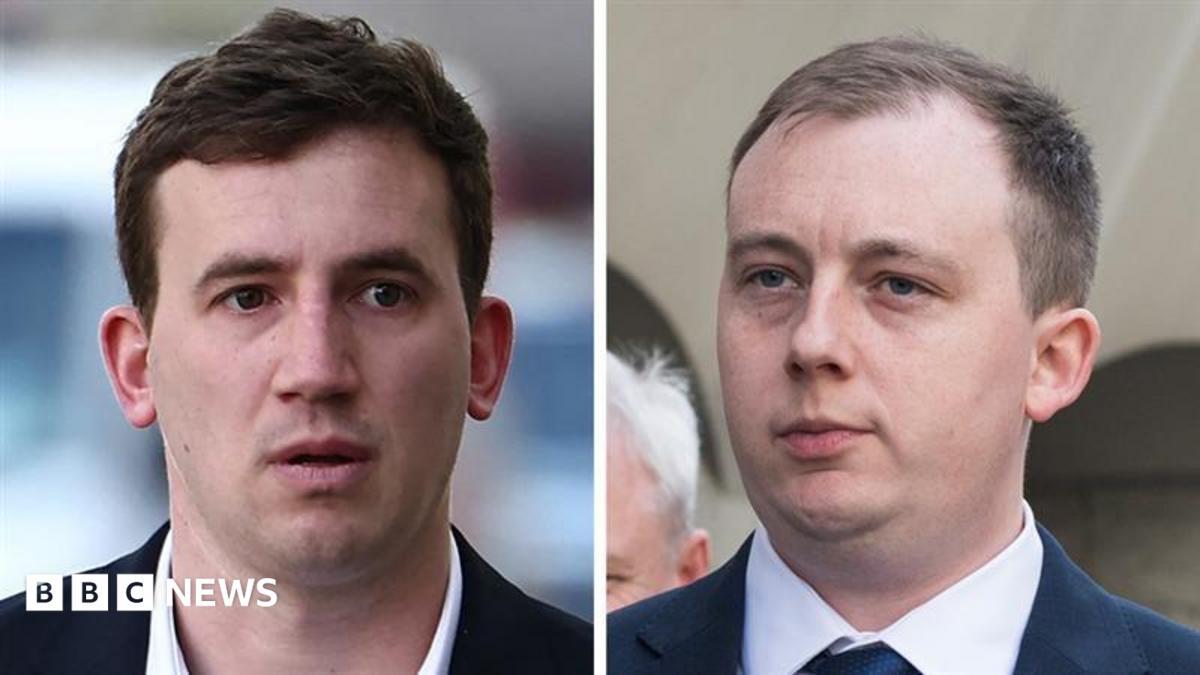
British prosecutors dropped espionage charges against Christopher Cash and Christopher Berry weeks before trial. The case was a high-profile UK spy case tied to China. The charges were dropped because the state could not prove China was formally designated a national security threat at the time of the alleged offenses, which occurred between 2021 and 2023.
“In September 2025, British prosecutors dropped espionage charges against Christopher Cash and Christopher Berry, accused of spying for China, causing significant controversy in the UK.”
A 2024 High Court ruling raised the evidential bar for such prosecutions. The ruling clarified that to prosecute under the Official Secrets framework, the country must have been an “enemy” or officially deemed a real threat when the conduct occurred. At the time, the UK had described China only as an “epoch-defining challenge,” not a formal threat.
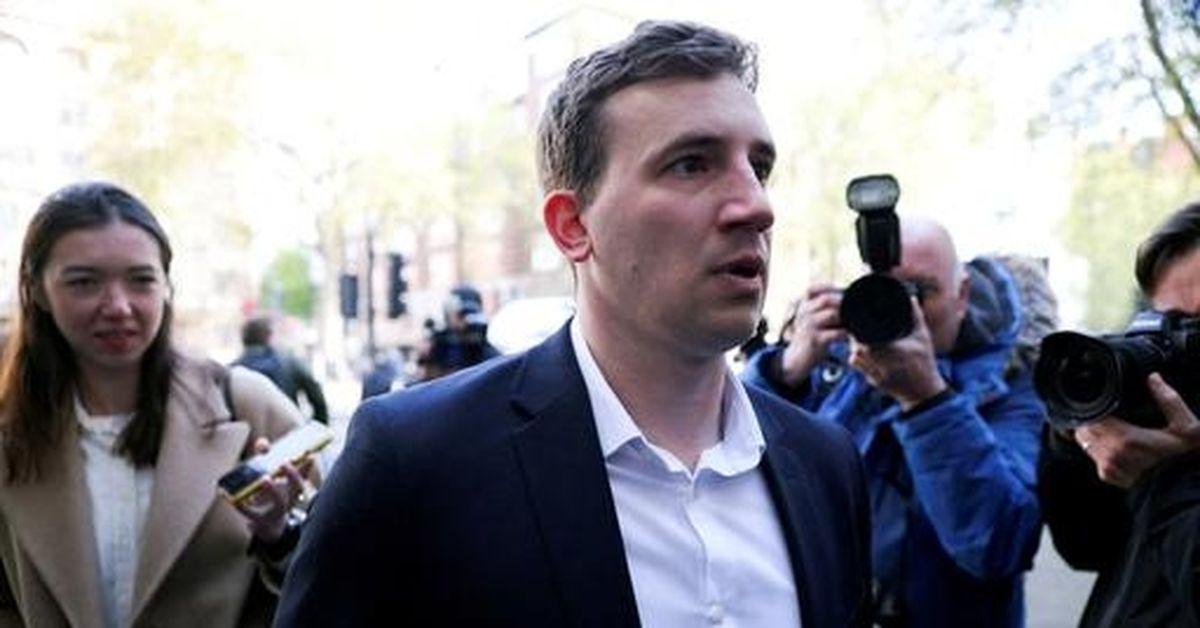
Prosecutors sought confirmation from the government but received no supporting evidence. The Crown Prosecution Service said it had exhausted all avenues.
The defendants denied the allegations. The collapse of the case reignited debate over Britain’s security posture toward China.
Political Reactions to Legal Case
The political fallout split along party lines. GB News reports Stephen Parkinson blamed the Labour Party for the case’s failure. Sir Keir Starmer countered that the Conservative government in power during the 2023 alleged conduct had not designated China a threat, making retroactive prosecution impossible.
The Independent amplifies opposition criticism, quoting Liberal Democrat Calum Miller’s condemnation and demand for a parliamentary probe. Evrim Ağacı notes Starmer’s legal stance that prosecutions must reflect the security status at the time of the alleged offense.

Legal Challenges in Foreign Influence Cases
At the core is a legal standard tightened by a 2024 High Court ruling requiring proof that a foreign power was an 'enemy' or presented a real national security threat when the alleged conduct occurred. With China not formally designated a threat—described instead as an “epoch‑defining challenge”—prosecutors could not clear the evidential bar, even after seeking government confirmation.
“The case faltered after a previous High Court ruling clarified that for a country to be classified as an ‘enemy,’ it must have posed a real threat to UK national security at the time of the alleged offense.”
The Independent reports calls to escalate policy by placing China on an enhanced foreign influence registration tier alongside Russia and Iran. Evrim Ağacı highlights that the debate unfolds amid UK efforts to improve economic ties with China.
Government Case Transparency Issues
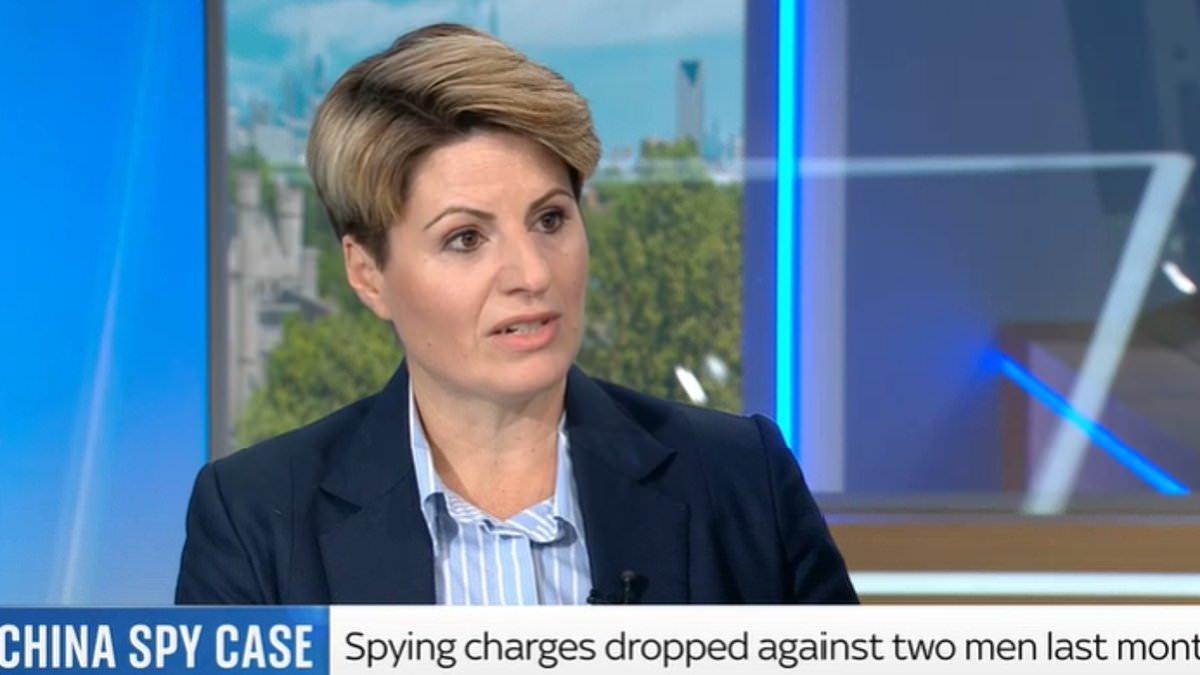
Transparency concerns further inflamed the fallout. GB News reports Conservative MP Alicia Kearns raised alarms over potential government interference, seeking clarity on any withdrawn witnesses and ministerial involvement. The CPS, Evrim Ağacı notes, said it had exhausted all avenues before dropping the case.
The Independent echoes demands for parliamentary scrutiny. A notable divergence in media focus appears with the Daily Mail snippet, which is uniquely off‑topic—discussing MailOnline’s Facebook‑sharing functionality rather than the spy case—illustrating how some coverage can divert to platform mechanics instead of the legal and security dispute.