Iran-Israel22 October, 20252 min read
UK Government Removes Hayat Tahrir al-Sham From Terrorist List to Support Syria’s New Islamist Regime
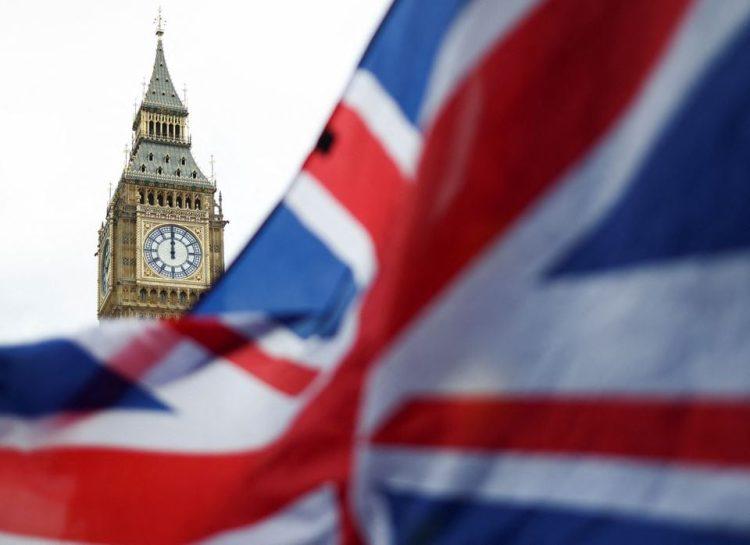
UK officially removed Hayat Tahrir al-Sham from its terrorist organization list in 2024. HTS led the overthrow of Bashar al-Assad and now governs parts of northwest Syria.

12 outlets told this the same way.
Outlets did split on U.S. Intercepts Iran Message Activating Sleeper Cells After U.S.-Israel Strike Kills Khamenei →
UK Policy Shift on Syria
The UK has removed Hayat Tahrir al-Sham (HTS) from its terrorist list. This move is framed as a pivot toward engaging Syria’s new authorities formed after Bashar al-Assad’s fall. Multiple outlets state HTS played the central role in toppling Assad.
“The UK has removed Syria's Hayat Tahrir al-Sham (HTS) from its list of banned terrorist organizations following HTS's overthrow of President Bashar al-Assad and takeover of the Syrian government last December.”
The UK hopes delisting will enable cooperation on counterterrorism, migration, and dismantling chemical weapons capabilities. This decision aligns with a similar step taken by the United States.

Coverage varies on labels and timing, with some describing it as a major policy shift toward President Ahmed/Ahmad Al Sharaa’s administration. Several sources note the UK’s intent to judge Damascus by actions rather than words as it reopens channels after last December’s change of power.
UK's Approach to Syria
London’s stated rationale centers on practical cooperation and conditional engagement. Officials cite priorities like counter-terrorism, illegal migration control, and the elimination of Assad’s chemical weapons. They insist Syria will be judged on concrete actions.
Several outlets add that the UK reserves the right to reinstate HTS’s designation. The UK will hold Damascus accountable to security benchmarks, reflecting cautious normalization rather than a free pass.
Overview of HTS's History
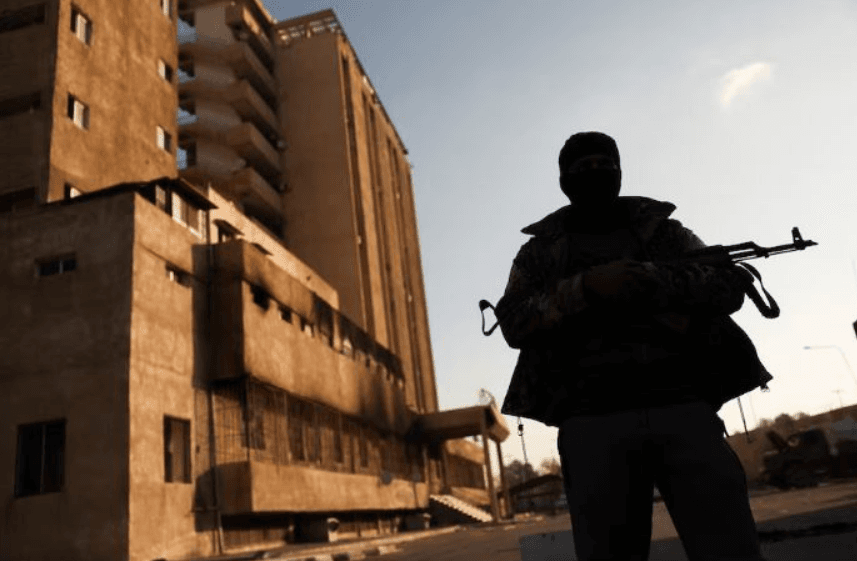
Accounts differ on HTS’s development and history. Some highlight its former designation and claims of distancing from extremist connections while establishing a civil administration. Others focus on accusations of war crimes and sectarian violence.
“Previously linked to Al-Qaeda and proscribed by the UK in 2017, HTS has since distanced itself from extremist ties and established a civil administration in northwest Syria.”
Reports also vary regarding its organizational status in 2017, debating whether HTS separated from al‑Qaida that year or was considered an alias. Additional details note that HTS contributed to dismantling Assad’s rule and that some members were incorporated into official security forces under the new interim authorities.
Diplomatic Engagement and Strategy
Diplomatic choreography varies depending on the account. Several sources emphasize alignment with a U.S. delisting, but they differ on timing and outreach. Reports mention high-level contacts, including a recent visit by former UK foreign secretary David Lammy and an envoy meeting in Damascus.
These talks cover topics such as security, border control, education, and de-escalation. The UK signals possible steps toward reopening embassies while stating it will adjust ties based on performance.
Responses to Delisting Controversy
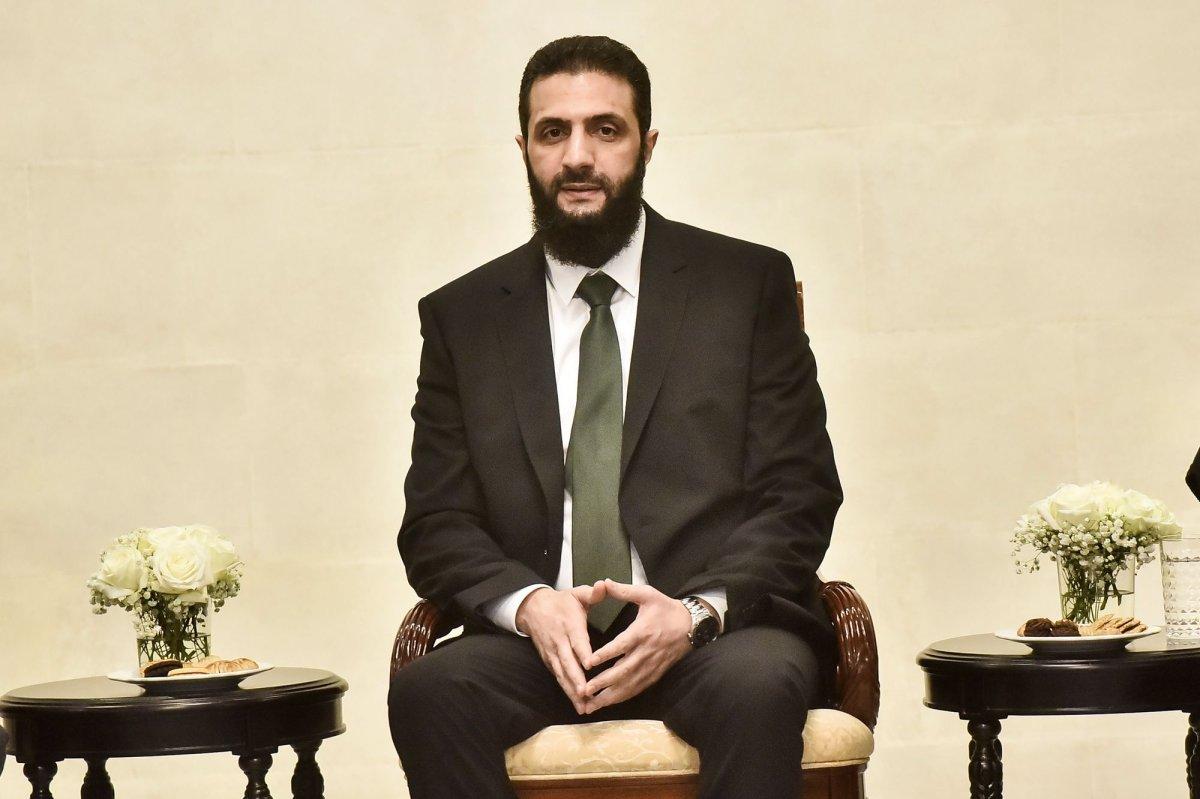
Reactions range from guarded pragmatism to sharp condemnation. Critics—including opposition politicians and human rights groups—warn that delisting risks entrenching impunity and endangering minorities. Others note the UK’s reservations about violence in Latakia and Sweida and its threat to relist HTS if necessary.
“While British officials emphasized that national security remains a priority and the delisting was cautious, the move has sparked controversy, with human rights groups warning it may impede justice for war crimes and strengthen armed factions.”
A harsher line alleges evidence of war crimes and argues that easing sanctions and new aid flows legitimize an armed movement with extremist roots. Supporters of engagement stress that London will condition ties on measurable security outcomes.