Britain16 October, 20253 min read
UK Imposes Sanctions on Russia’s Rosneft and Lukoil to Cut Kremlin War Funding
UK sanctioned Russia’s largest oil companies Rosneft and Lukoil to cut Kremlin revenues. Sanctions include targeting 44 to 51 shadow fleet tankers linked to Russian oil exports.
11 outlets told this the same way.
Outlets did split on UK Police Charge Teddy Young With Spying For Foreign Power, Royal Navy Member →
UK Sanctions on Russian Oil
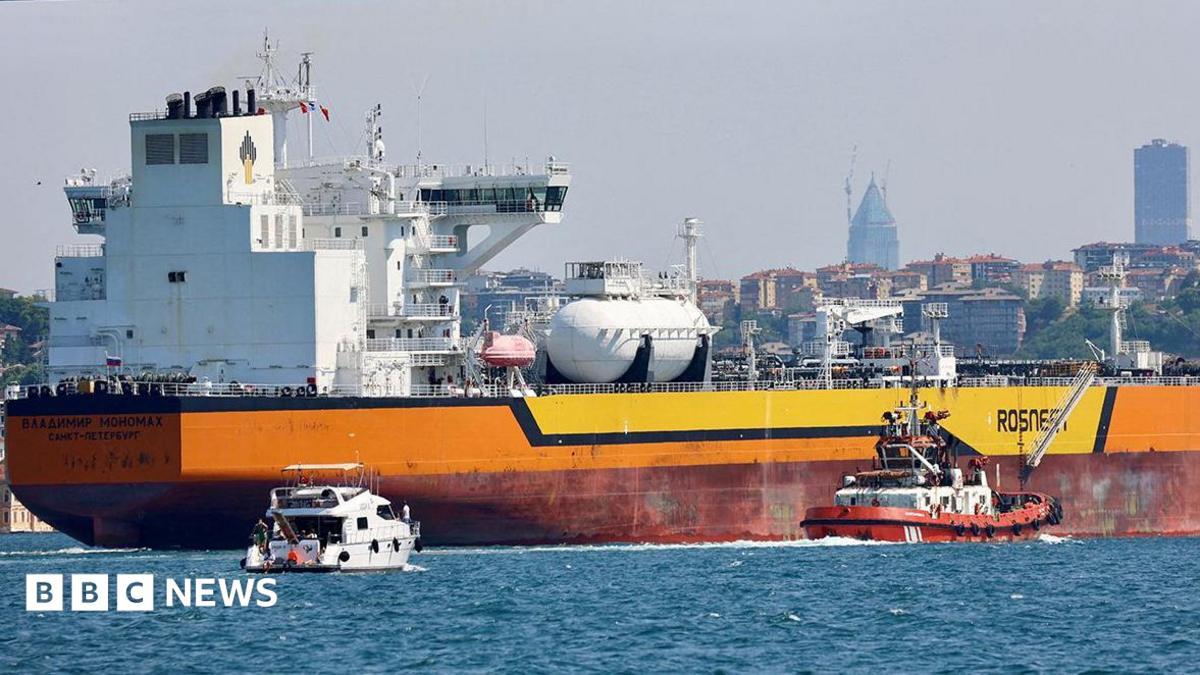
The UK announced a sweeping sanctions package aimed at cutting off oil revenues that fund Russia’s war in Ukraine. The sanctions target state-aligned producers Rosneft and Lukoil alongside a network of “shadow fleet” tankers. Officials describe the move as an escalation to block Kremlin cash flows.
“The UK has imposed new sanctions targeting Russia's largest oil companies, including Rosneft—which accounts for nearly half of Russia's oil production—and Lukoil, as well as Russia's 'shadow fleet' of oil tankers.”
UK Chancellor Rachel Reeves stated there is “no place for Russia in global markets.” Russia’s embassy in London condemned the action as destabilizing and ineffective at changing Moscow’s policy. Coverage varies on the scope of the sanctions: some outlets highlight a focus on 44 shadow fleet vessels within a broader set of 51 ships.

Other reports emphasize the inclusion of non-Russian entities linked to facilitating Russian oil trade. Overall, the measures signal London’s intent to intensify pressure ahead of international sanctions discussions. The goal is to constrain Russia’s capacity to finance its invasion of Ukraine through energy exports.
UK Sanctions on Russian Energy
Beyond naming Rosneft and Lukoil, London’s package is expansive. Reports detail 90 new measures, including asset freezes, director disqualifications, transport limits, and bans on British trust services. Several sources agree the package includes maritime assets—51 vessels in total, including 44 linked to the “shadow fleet.”
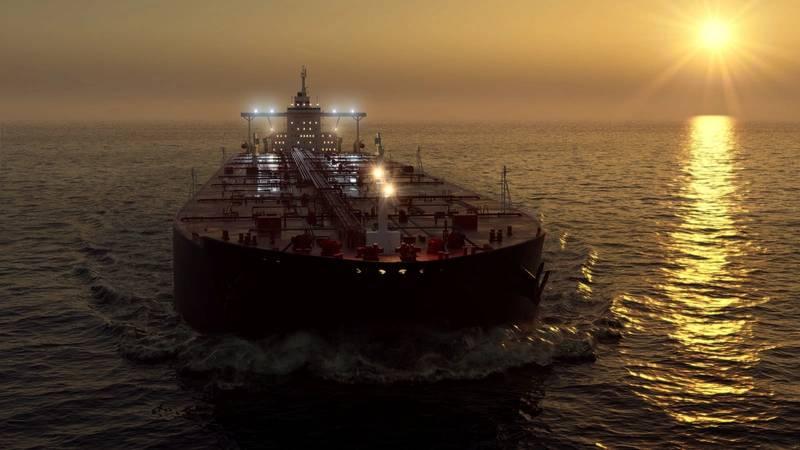
Energy infrastructure targeted includes seven LNG tankers and China’s Beihai LNG terminal connected to Arctic LNG2. The BBC reports that four Chinese oil terminals were also targeted, indicating a wider reach into Chinese infrastructure than some outlets specify. Officials say the goal is to block Russia’s ability to access shipping, insurance, and services that enable oil export revenues.
Sanctions on Energy Facilitators
A major focus is pressure on third-country facilitators involved in Russian energy trade. Multiple sources report that India’s Nayara Energy, partly owned by Rosneft, was sanctioned. EasternEye states that Nayara imported over $5 billion of Russian crude in 2024.
“The British government announced 90 new sanctions targeting Russia’s oil infrastructure and India’s Nayara Energy Limited, which imported over $5 billion worth of Russian crude in 2024.”
Marine News Magazine and Business Matters highlight the targeting of Nayara and China’s Beihai LNG terminal for their links to Russian supplies. Hindustan Times emphasizes London’s broader warning to companies in India and China that enable Russian oil transactions.
Regtechtimes provides context by noting that Nayara has publicly opposed EU sanctions as politically motivated and claims compliance with Indian law. This distinction offers insight into how companies targeted by sanctions may respond.
Sanctions on Shadow Fleet Tankers
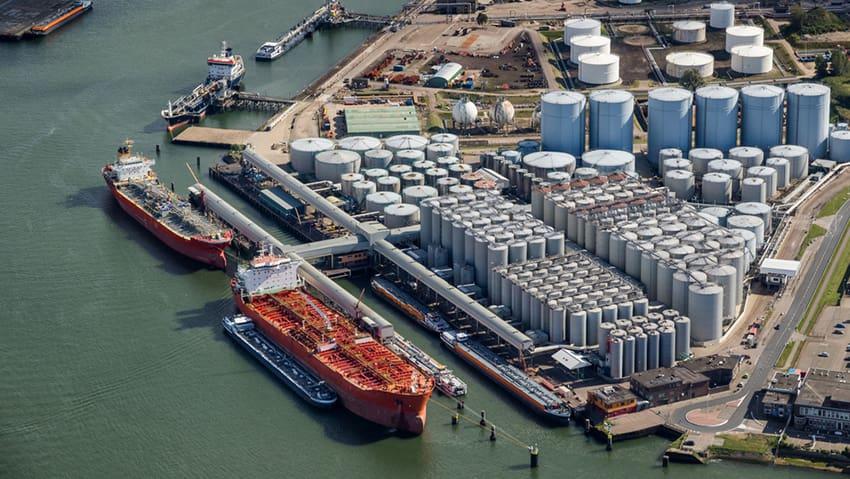
A central enforcement focus is the so‑called shadow fleet—older tankers used to evade restrictions—where London blacklisted 44 vessels within a wider set of 51 sanctioned ships. Marine News Magazine reports the measures are expected to reduce availability of shipping and insurance for Russian oil and notes that some Chinese and Indian ports have refused to unload shadow fleet tankers, complicating sales.
Business Matters and Hindustan Times also center the 44‑tanker figure, while thesun.my cites “51 shadow fleet tankers,” reflecting inconsistent vessel counts across outlets. The cumulative intent, according to Kaohoon, is to make transport and insurance harder via British services, tightening the squeeze on Russian exports.
Impact and Market Effects of Sanctions
How hard these sanctions may bite is framed differently across sources. BBC stresses macro impact claims—Reeves says the measures will significantly impact Russia’s economy and military capabilities. Multiple outlets relay the Russian embassy’s warning that the steps will destabilize energy markets and raise costs, including in Britain.
“UK Chancellor Rachel Reeves stated the measures are expected to significantly impact Russia's economy and military capabilities.”
On market significance, figures diverge: Regtechtimes says Rosneft alone produces 6% of global oil and nearly half of Russia’s. Business Matters says Rosneft and Lukoil together export about 6% of world supply.

BBC underscores Rosneft’s dominance inside Russia. These contrasts shape expectations of market disruption versus strategic effectiveness.