West Bank · updated 1h ago · 3 min read
U.K. Sanctions Israeli West Bank Settlements, Targeting Companies and Individuals
Twelve countries including the UK will impose trade restrictions on Israeli settlements in West Bank. Sanctions target goods from settlements deemed illegal under international law.
30 outlets, one story, no spin found.
1 of 3 outlets skipped it: florida law may block UK firms that boycott Israel.
CNN was read line by line by the Watchdog: 5.0. See the score →
30outlets compared
Sanctions announced Tuesday
The U.K. announced Tuesday that it would join 11 other nations in plans to sanction trade with Israeli settlements in the occupied West Bank, with the countries saying they would introduce “national and/or support European restrictions on trade in goods with settlements which are illegal under international law.”
“introduce national and/or support European restrictions on trade in goods with settlements which are illegal under international law”
U.K. Foreign Minister Ed Miliband said the measures would target specific companies and individuals providing services including construction, infrastructure, financing or real estate for settlement expansion, and he framed the move as refusing “to acquiesce in the destruction of the two-state solution.”

Israel’s president Issac Herzog called the sanctions a “grave miscalculation” and a “gross interference,” adding that it would “directly harm — unfortunately — Palestinians, robbing them of business and employment.”
The BBC reported that in the Jordan Valley, Israeli date farmer Avigdor Arbel of the settlement of Mesua said, “As soon as we have a situation of pressure and boycotts, we always break out and look for other markets.”
Retaliation and competing frames
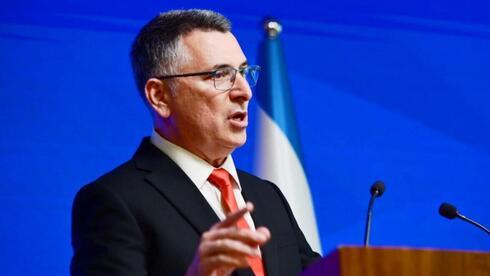
After London’s announcement, Israeli Foreign Minister Gideon Saar said Israel would respond by closing the British consulate in Jerusalem, halting British training for Palestinian Authority security forces in the West Bank, and barring 12 elected British officials whom he accused of being “involved in antisemitic and anti-Israel activity.”
U.S. Ambassador to Israel Mike Huckabee warned on Tuesday that the U.K. could face backlash from Washington, telling CBS News’ partner network BBC, “I don't know if they're really aware of the implications and how it's going to affect Brits.”

In the West Bank, the BBC described how date farmers weighed the impact of the sanctions as Israeli growers prepared for harvest, while Arbel said he sells produce “mostly to Europe but also to the US and now, India.”
The Guardian reported that Miliband accused Israeli “terrorists” of ethnic cleansing in the West Bank and said the UK would now take the official position that Israel’s occupation was unlawful in its entirety, adding that such acknowledgment was “the least the people who face such suffering deserve.”
What’s at stake next
The sanctions are tied to the E1 project, described by CBS News as an area of the West Bank seen as crucial to establishing a contiguous Palestinian state, while the BBC said Miliband told Parliament that a set of facts on the ground had been created “to make the two-state solution unviable,” and that “settler terrorism is rampant.”
“within nine months”
The Guardian said Miliband expected legislation to enforce the trade ban and sanctions to be in place within nine months, and it reported that the UK’s actions were made urgent by Israel’s plans to expand the E1 settlement project east of Jerusalem.
In the Jordan Valley, the BBC reported that Palestinian farmer Abdul Halim Abu Omar said, “It's because we lack water,” and it added that this year his trees received less than a third of the water they need to thrive.
Le Monde reported that the 12 ministers said actions by the Israeli government in the West Bank were “undermining the possibility of a two-state solution,” and it described the E1 plan as involving 1,200 housing units built in the West Bank.