Ukraine Attacks Russian Shadow Fleet Tankers Near Creta and Between Creta and Sicily
Key Takeaways
- Ukraine strikes two shadow fleet oil tankers near Novorossiysk in the Black Sea.
- Drones strike Qendil, a Russian ghost fleet tanker, between Crete and Libya coast.
- Ukraine's campaign targets Russian oil facilities to curb revenues and influence prices.
Mediterranean energy front
The Ukraine war’s reach into maritime energy routes has sharpened, with multiple reports describing attacks and seizures tied to Russia’s “shadow fleet” of tankers.
Formiche.net says “La guerra in Ucraina supera i confini del fronte” and describes how effects extend to the Mediterranean, where “transitano le petroliere con il greggio russo.”

It reports that “Una petroliera sospettata di appartenere alla flotta fantasma russa è stata sequestrata vicino Marsiglia e il suo capitano è stato arrestato,” adding that the operation was carried out “nel pieno rispetto della Convenzione delle Nazioni Unite sul diritto del mare” as announced by the French presidency.
Formiche.net also links the Mediterranean to earlier escalation, saying that “Un mese fa al largo di Creta era stata attaccata dai droni ucraini la petroliera Qendil battente bandiera omanita,” calling it “il primo attacco della flotta ombra al di fuori del Mar Nero.”
La Sicilia frames the same episode as “Venti di guerra vicino la Sicilia” and says Ukraine claimed it hit “una petroliera della cosiddetta ‘flotta ombra’ russa nelle ‘acque neutrali’ del Mediterraneo, tra Creta e l’Isola.”
TGLA7 similarly states that “La guerra tra Russia e Ucraina è arrivata nel Mediterraneo” and reports that a “petroliera legata alla cosiddetta flotta fantasma di Mosca” was attacked by Ukrainian drones “al largo delle coste di Creta.”
Qendil attack details
Several outlets describe the Qendil episode in the Mediterranean with specific operational details.
La Sicilia says Ukraine claimed the attack with drones on “una petroliera della cosiddetta ‘flotta ombra’ russa, la Qendil,” citing an AFP report that a source from Kiev’s security services (Sbu) called it “una ‘nuova operazione speciale senza precedenti’.”
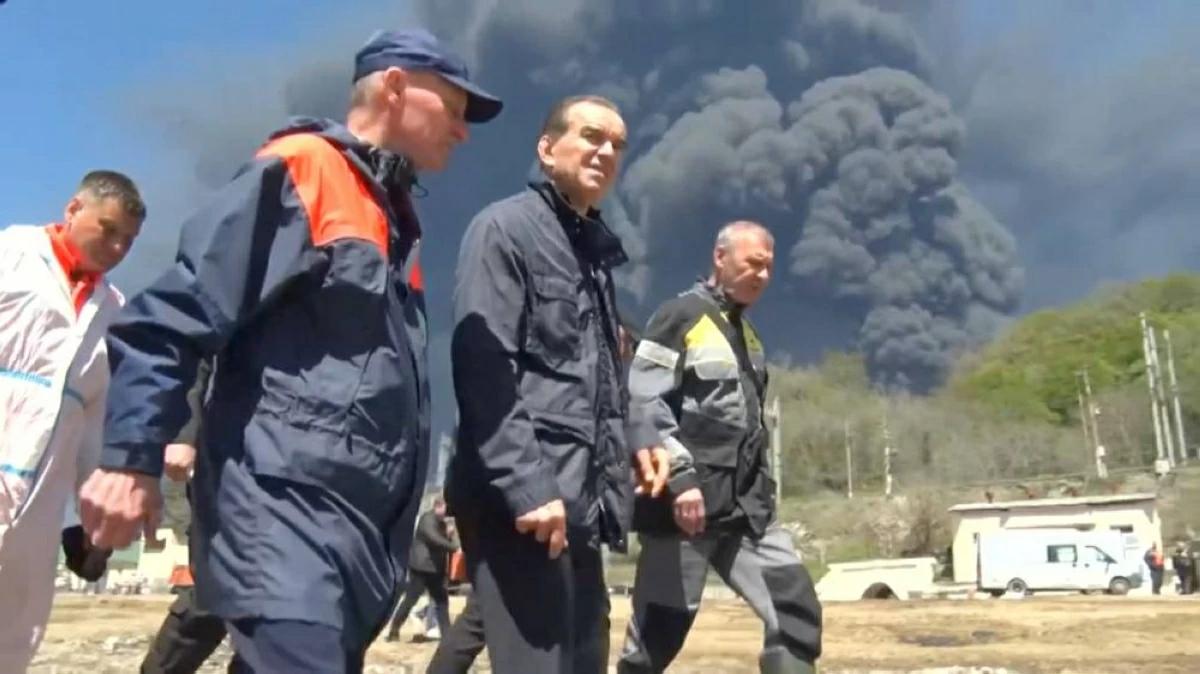
The same article quotes the Sbu source as saying “L’Sbu ha colpito con droni aerei una petroliera appartenente alla cosiddetta ‘flotta fantasma’ russa, la Qendil,” and adds that “La Russia stava usando questa petroliera per eludere le sanzioni e finanziare la sua guerra contro l’Ucraina.”
La Sicilia further reports that “la Qendil sarebbe stata raggiunta da tre ordigni nel Mar Ionio, tra Creta e la Sicilia,” and says intelligence information indicates “la possibile presenza a bordo di alcuni scafi di cittadini russi legati ai servizi e al ministero della Difesa.”
TGLA7 provides a different set of technical specifics, saying the tanker “ha improvvisamente cambiato rotta di centottantotto gradi” after the attack, and identifying it as “Quen-Di, battente bandiera dell’Oman.”
It also states that the ship “Era partita da Sikka, in India, ed era diretta a Ust-Luga, in Russia, nel Mar Baltico,” and that “Per questo – precisano i servizi di sicurezza ucraini che hanno diffuso le immagini dell’attacco – i serbatoi erano vuoti e si è evitato il disastro ambientale.”
Baltic strikes and casualties
While the Mediterranean episodes focus on the Qendil tanker, other reports describe a broader wave of Ukraine strikes against Russian oil infrastructure and “shadow fleet” tankers.
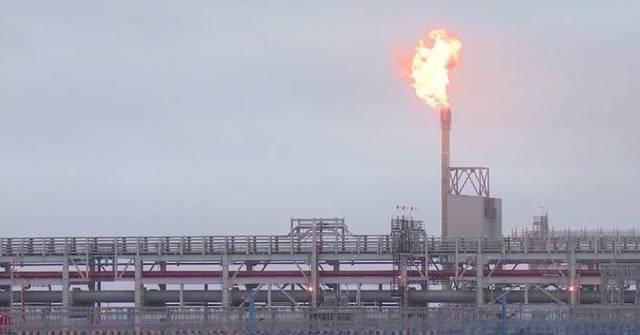
CBC says “Ukraine on Sunday launched a wave of strikes against Russian oil targets,” describing “a nighttime drone strike” that sparked “a blaze at Russia's largest oil exporting port on the Baltic Sea, the port of Primorsk.”
It identifies the port as operated by “Russia’s state oil firm Transneft” and says Primorsk “is capable of handling hundreds of thousands of barrels per day,” while also noting that Primorsk “lies over 1,000 kilometres from Ukraine” between the Russian-Finnish border and “Russia’s second-largest city of St. Petersburg.”
CBC reports that Russian regional Gov. Alexander Drozdenko said the strike “did not cause an oil spill,” while Zelenskyy wrote that “One more Russian carrier of Kalibr missiles is out of action,” adding that “Major General Yevhen Khmara reported on the successful destruction of targets in the Primorsk port.”
CBC also says Ukrainian drones hit “a Karakurt missile ship, a patrol boat and a tanker belonging to Russia's so-called shadow oil fleet,” and that Zelenskyy said “two more ‘shadow fleet’ tankers near the entrance of the Russian Black Sea port of Novorossiysk” would “Now they won't be.”
BBC adds a casualty and counterstrike picture, saying “Russian drone and missile strikes in Ukraine have killed 10 people and injured at least 76 over the past day,” and that “Officials in five regions around the country reported fatalities.”
Zelenskyy, Hnatov, and SBU
In the reports about the Novorossiysk strikes, Ukrainian leadership and security services are repeatedly named as central to the operations.
Türkiye Today quotes Zelenskyy saying, “Our warriors continue to apply sanctions against Russia's shadow oil fleet – two such vessels were struck in the waters at the entrance to the port of Novorossiysk,” and it adds his declaration, “These tankers had been actively used to transport oil, not anymore.”
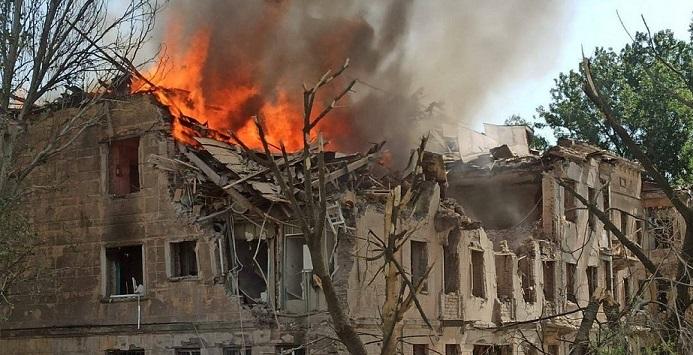
The same outlet says Zelenskyy credited “Chief of the General Staff Andrii Hnatov” for leading the operation, along with “counterintelligence officers of the Security Service of Ukraine and the Ukrainian Navy.”
RTE.ie similarly reports Zelensky’s statement: “Our warriors continue applying sanctions against Russia's shadow oil fleet – two such vessels were struck in the waters at the entrance to the port of Novorossiysk. These tankers had been actively used to transport oil – not anymore,” and it pairs that with his vow that “Ukraine's long-range capabilities will continue to be developed comprehensively – at sea, in the air, and on land.”
The Kyiv Independent also attributes the operation to Ukrainian command, saying “The operation was led by the General Staff Chief Andrii Hnatov, with the involvemnet of the Security Service of Ukraine (SBU) and the Navy,” and it quotes Zelenskyy: “Ukraine's long-range capabilities will be developed comprehensively — at sea, in the air, and on land.”
Euromaidan Press adds a further operational framing, calling the strikes “kinetic sanctions” and stating that Zelenskyy posted “thermal footage of a Ukrainian naval drone catching up with one of the ships from the stern before impact.”
Divergent framing and next steps
The same cluster of events is framed differently across outlets, especially regarding what is being targeted and how the impact is characterized.
BBC says Zelenskyy reported that “an oil terminal in northwest Russia had been significantly damaged,” and that “two Russian oil tankers were struck near the Russian Black Sea port of Novorossiysk,” while it also notes that “There are no details on damage to the ships.”
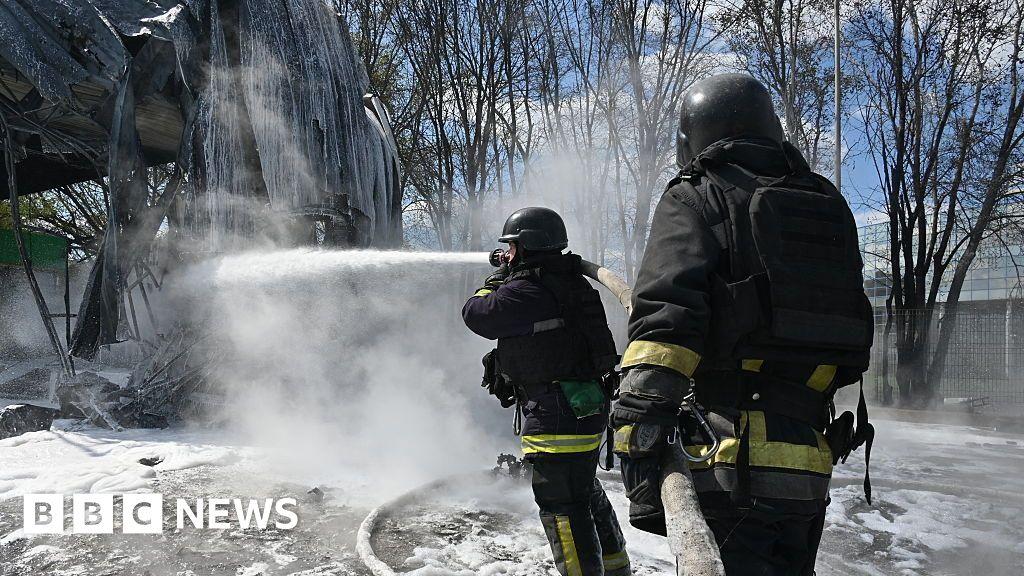
CBC, by contrast, emphasizes the operational scope of the strikes, stating Zelenskyy said Ukrainian forces “destroyed several military and other targets, while also inflicting significant damage on oil port infrastructure,” and it lists additional hits including “a Karakurt missile ship, a patrol boat and a tanker belonging to Russia's so-called shadow oil fleet.”
Looking at consequences, BBC reports that Russia’s Kremlin “was clearly concerned about the deep reach of Ukrainian drones into its territory,” and it cites the Kremlin’s decision “paring back its annual military parade” due to what it said was the “terrorist threat” from Ukraine.
Meanwhile, the Euromaidan Press account asserts that Ukraine’s actions are part of a sustained campaign, saying Russia “has been building its shadow fleet since the 2022 full-scale invasion” and that Ukraine has imposed sanctions on “nearly 700 vessels linked to Russia's shadow fleet.”
Across these narratives, the next steps described by Ukrainian leaders are consistent: Zelenskyy says “Ukraine's long-range capabilities will continue to be developed comprehensively – at sea, in the air, and on land,” while Russian reporting emphasizes drone interception numbers and the scale of overnight attacks.
More on Ukraine War
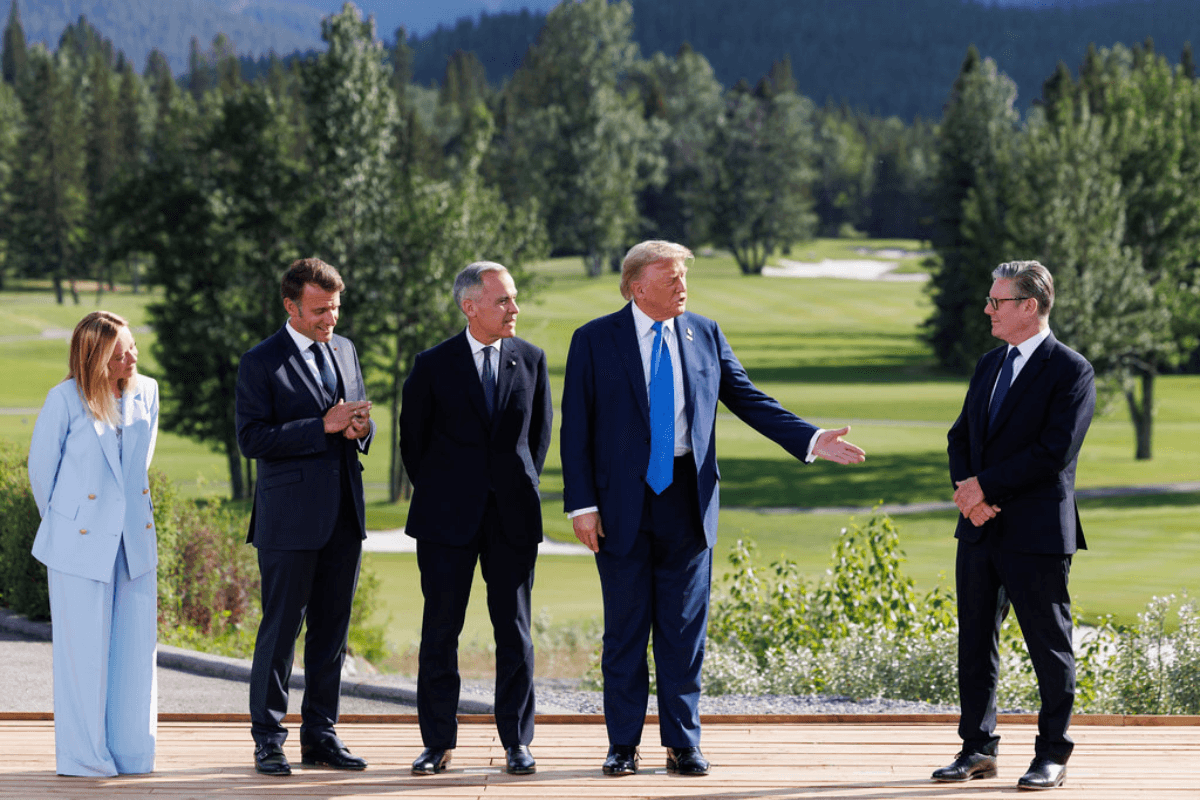
Trump Signals Focus on Ukraine at G7 in Evian-Les-Bains After Russia Drone and Missile Attack
15 sources compared

Trump Urges Russia To Make A Deal To End Ukraine War At G7
15 sources compared
Donald Trump Signs G7 Declaration, Threatens Reimposing Russian Oil Sanctions
23 sources compared

G7 Leaders Press Russia to End Ukraine War as Zelenski Meets Trump in Evian
23 sources compared