Ukraine War01 November, 20252 min read
Ukraine Strikes Key Russian Fuel Pipeline Near Moscow Supplying Russian Army
Ukrainian forces struck the Koltsevoy fuel pipeline near Moscow supplying Russian military. The pipeline delivers gasoline, diesel, and jet fuel critical for Russian army operations.

15 outlets told this the same way.
Outlets did split on Russian Attack Kills At Least 33 On Two Buses In Kramatorsk →
Strike on Russian Fuel Pipeline
Ukraine’s military intelligence says it struck a key Russian fuel artery outside Moscow. The target was the Koltsevoy pipeline near the Ramensky district. All three fuel lines carrying gasoline, diesel, and jet fuel to the Russian army were destroyed.
“Ukrainian military intelligence (HUR) reported a significant strike on a key Russian fuel pipeline in the Moscow region... 'serious blow' to Russia’s military logistics.”
Local and tabloid Western outlets describe the pipeline as a critical supply line. Reports call the strike a major logistical hit that significantly impacts Russia’s military logistics. Asian and mainstream coverage also highlights the disruption caused by the attack.

They note the pipeline’s role in supplying multiple refineries and Russian forces. Overall, sources agree the operation aims to degrade Russia’s ability to supply frontline units from the Moscow region’s fuel network.
Impact of Pipeline Attack on Russia
Ukrainian officials describe the strike as more harmful to Russia’s military efforts than international sanctions. They emphasize the pipeline’s large capacity and its direct role in supporting military operations as reasons it was a key target.
Tabloid and local Western media focus on specific details such as millions of tonnes transported annually, 250 miles of pipeline, and the destruction of all three lines supplying Russia’s forces. Asian and mainstream sources agree on the strategic aim: to disrupt Russian supply chains that support frontline combat activities.

Recent Air and Missile Attacks
The strike comes amid an intensive air and missile campaign. Russia launched 223 drones overnight, with Ukraine reporting it shot down most—206 according to one mainstream tally. Russian defenses claimed to intercept 98 Ukrainian drones, including near Moscow.
“Overnight, Russia launched 223 drones at Ukraine, with Ukraine shooting down 206. Russia also intercepted 98 Ukrainian drones... including six near Moscow.”
Concurrently, Russian attacks on energy infrastructure caused civilian casualties and damage. One person was killed and 15 injured in the Mykolaiv region, including a child.
There was also a fire at a gas plant in Poltava. Coverage consistently links the pipeline hit to this wider contest over energy and logistics.
Conflicting Reports on Pokrovsk Battle
On the ground, narratives diverge around the eastern city of Pokrovsk. Russia claims it defeated a Ukrainian special forces team and released videos of captured soldiers. Russia asserts it has encircled Ukrainian troops in the area.
Ukraine’s leadership denies that its forces are encircled and says the battle is tough. Ukraine insists it is pushing infiltrators out of the city.
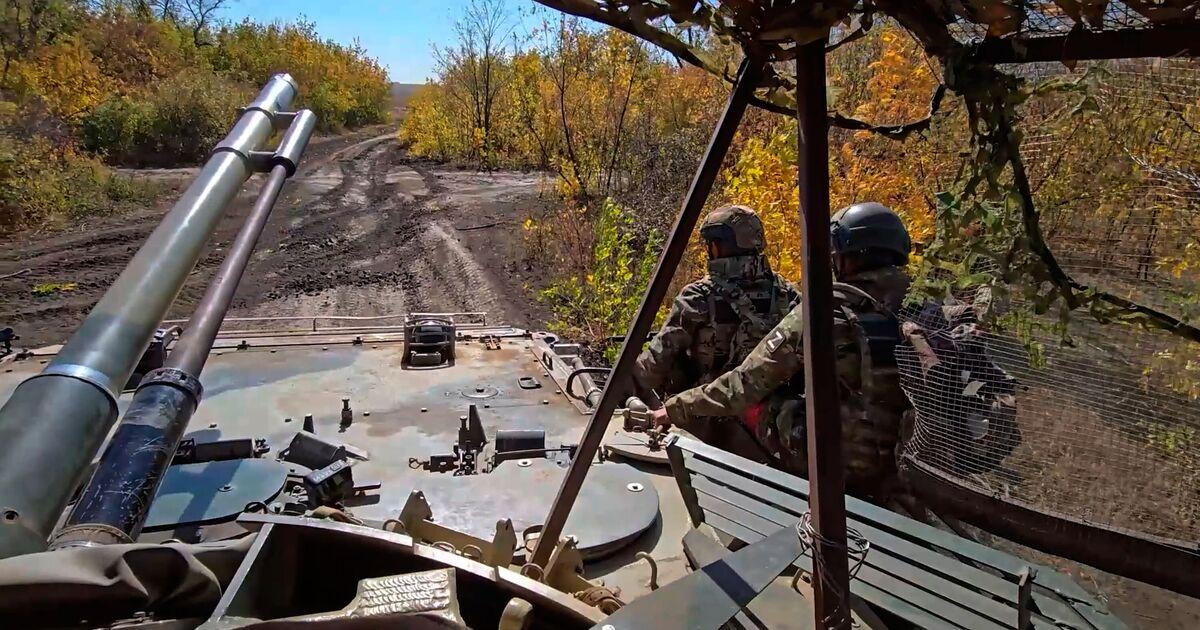
Multiple outlets caution that the Russian videos are unverified. This contested picture forms the political backdrop as the pipeline strike seeks to undercut Russian battlefield momentum and logistics.
Media Coverage of Pipeline Attack
Media focus varies across different source types. Firstpost, an Asian outlet, connects the pipeline strike to a broader global roundup and even mentions mass protests in Rio’s favelas. U.K. local outlets concentrate narrowly on the pipeline and frontline updates.
“Meanwhile, thousands protested in Rio de Janeiro’s favelas following Brazil’s deadliest police operation...”
A U.S.-focused Asian platform, NewsBreak, allocates space to unrelated domestic political controversies. One Canadian outlet’s snippet contained no usable story text, highlighting how coverage scope and relevance differ sharply. Despite these differences, the pipeline attack remains the dominant topic in security reporting.
