Europe · 17 September, 2026 · 2 min read
Ulf Kristersson Resigns After Sweden Left-Wing Opposition Wins Narrow General Election
Left bloc wins 176 of 349 seats, triggering Kristersson's resignation. Magdalena Andersson to lead new centre-left government after negotiations.
17 outlets, one story, no spin found.
7 of 8 outlets skipped it: key policy agenda is spelled out by Andersson.
17outlets compared
Sweden’s tight election
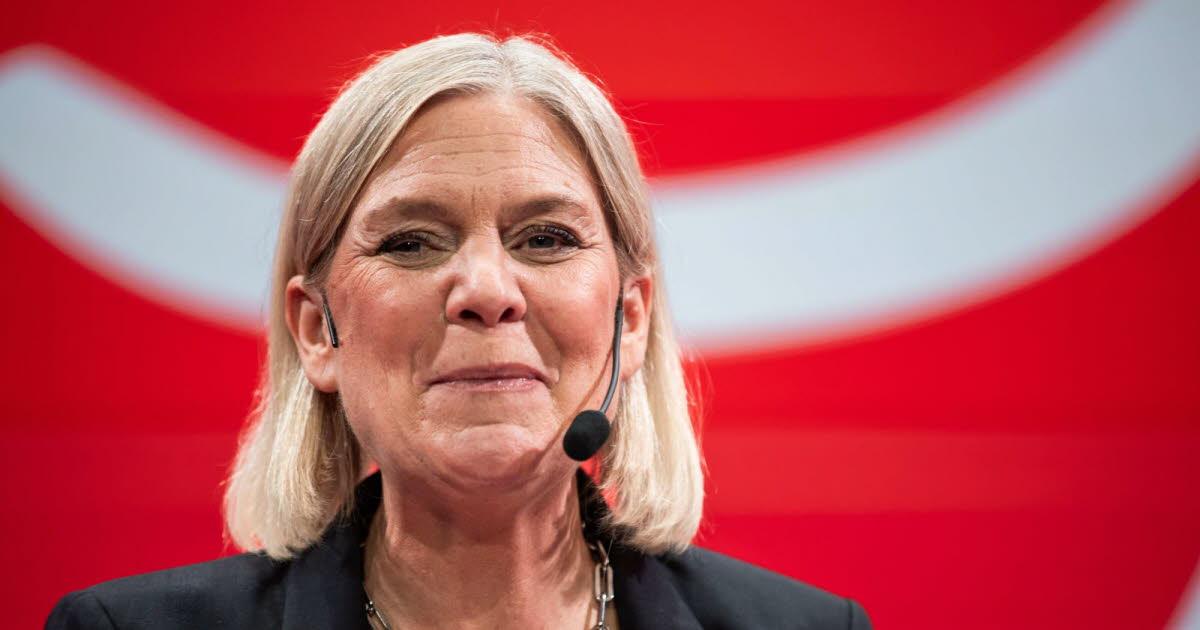
Sweden’s prime minister Ulf Kristersson submitted his resignation after the left-wing opposition secured a narrow victory in the country’s general election, leaving the speaker of parliament to begin formal talks with party leaders.
“the four left-wing opposition parties won 176 seats in the 349-seat parliament”
The Swedish Election Authority said the four left-wing opposition parties won 176 seats in the 349-seat Riksdag, versus 173 seats for the four parties backing Kristersson’s government.

Only about 50,000 votes separated the two blocs in the country of 10.6 million people, and Kristersson said he would resign “to allow that work to start immediately.”
Magdalena Andersson’s centre-left Social Democrats finished as the biggest single party, and the left bloc’s three-seat majority set up a new government formation process under the Riksdag’s vote timeline.
Coalition red lines
Euronews said the centre-left alliance led by Magdalena Andersson includes the Left Party, Greens and the Centre Party, and it holds a three-seat majority in the 349-seat Riksdag over Kristersson’s right-wing alliance.
The Centre Party said it will not support a government that gives cabinet posts to the Left, while the Left Party wants ministerial representation, leaving Andersson facing “some very difficult negotiations because of because of major ideological differences within the bloc.”

Kristersson, who resigned, said he would respect Andersson’s attempts to form a government while wishing her “good luck” given the divisions among her left-wing bloc.
Parliament can vote on a new prime minister on September 29 at the earliest, and the resignation opened the official phase of negotiations for a new government.
Europe reaction and impact
Spanish Prime Minister Pedro Sanchez welcomed the result, presenting it as a victory for social democracy and the welfare state after “four years of a right-wing government with the far right.”
“After four years of a right-wing government with the far right”
Euronews reported that for Andersson’s Social Democrats the result was their worst in more than a century, with the party losing eight seats and taking 28% of the overall vote.
The far-right Sweden Democrats lost support for the first time since entering parliament in 2010, garnering 17.5 percent of the vote and losing 11 seats in parliament, according to Euronews.
With the left bloc holding 176 seats to the outgoing bloc’s 173, the next government’s shape depends on whether Andersson can secure agreement across her alliance and keep the Centre Party’s opposition to Left cabinet posts from derailing talks.