
Europe · updated 1h ago · 3 min read
Italy And Spain Extend Reciprocal Border Checks For 15 Days After Ceuta Migrant Surge
Italy and Spain extend mutual border controls for 15 days following Ceuta migrant surge. Controls apply to travelers by air and sea between the two countries.
12 outlets, one story, no spin found.
4 of 7 outlets skipped it: the EU allows internal checks only as a last resort and time-limited.
12outlets compared
Ceuta fuels border feud
Italy and Spain extended their reciprocal border checks for another 15 days after the Ceuta migrant surge, with Italy’s interior ministry saying the decision reflected “significant risks to internal security persist, alongside a potential threat linked to possible terrorist infiltration”.
“significant risks to internal security persist, alongside a potential threat linked to possible terrorist infiltration”
Spain’s Interior Ministry said it would maintain border controls with Italy until October 8 because the circumstances that justified the measure remained in place, and the suspension of the European Union’s border-free arrangement with each other was extended for another 15 days.

The standoff traces back to July 31, when Italy first suspended the Schengen arrangements with Madrid in response to a mass influx of migrants into the Spanish enclave of Ceuta from neighbouring Morocco.
The checks involve random police checks at airports and seaports for arrivals from Spain, and the Italian Interior Ministry reiterated its security rationale when extending the controls Tuesday.
The EU’s visa-free travel area, Schengen, allows member states to temporarily reintroduce border controls in response to serious threats, but only as a last resort in exceptional circumstances and must be time-limited, according to the reporting.
Politicians trade accusations
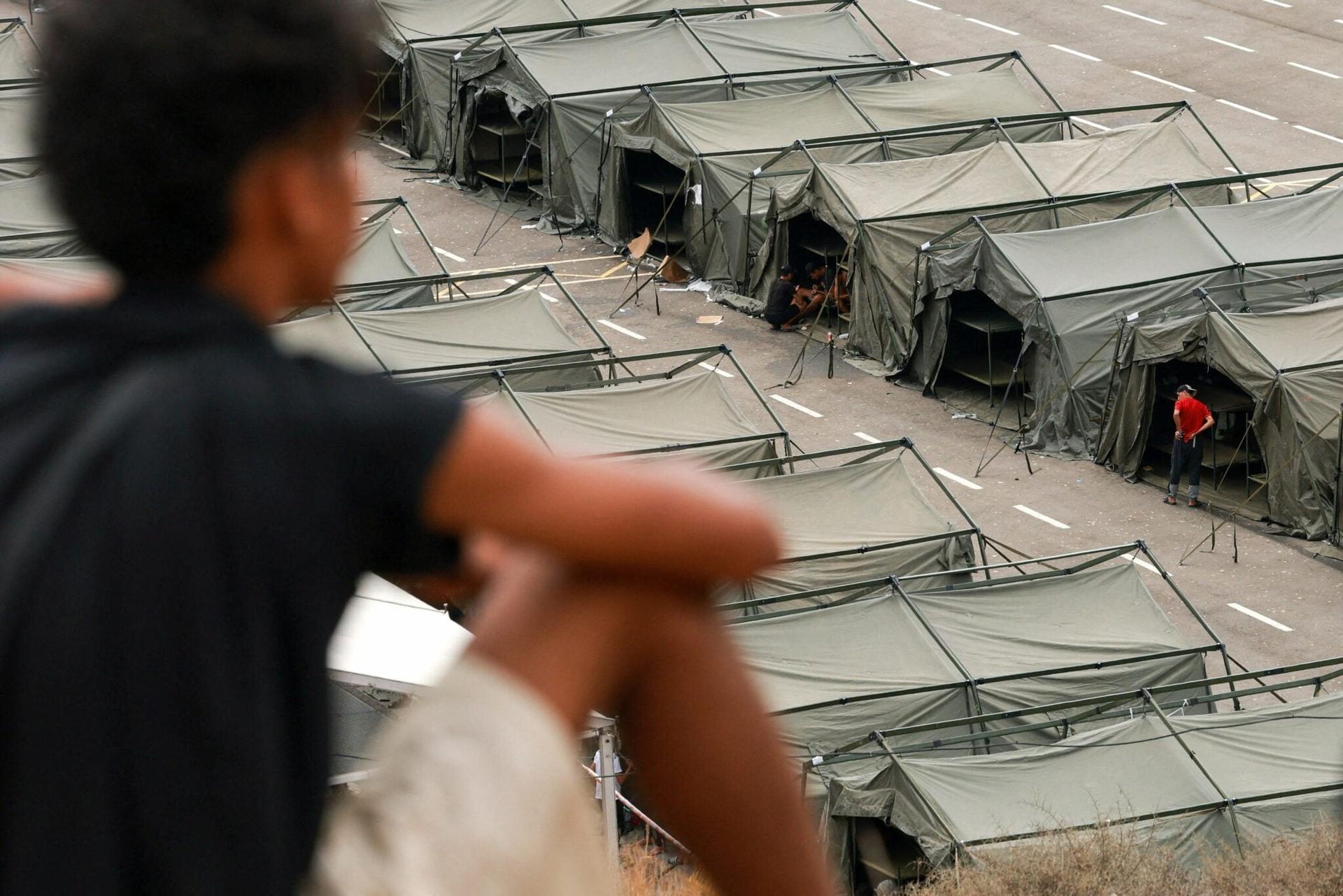
Italy’s border checks were extended again after more than 72,000 migrants from Morocco entered Spain’s North African territory of Ceuta in late July, and the Spanish foreign ministry said Spain prolonged its own border checks on individuals coming from Italy for the same duration.
Italian Premier Giorgia Meloni’s administration and other European leaders used the situation in Ceuta to criticize Socialist Prime Minister Pedro Sánchez’s migration policies, while Sánchez’s government had launched a campaign to regularise migrants in Spain.
Spain’s Foreign Minister José Manuel Albares labeled Italy’s extension “absurd, useless and a disgrace” and said it “dynamites the spirit and philosophy of what it means to be European partners,” adding that “Europe without solidarity cannot exist”.
Italy’s Foreign Minister Antonio Tajani responded indirectly on social media that “the Spanish government’s reaction to Italy’s decision to proceed with the suspension of Schengen is out of place, inappropriate and unnecessarily aggressive,” and stressed that Italy applies European rules and treaties to defend border security and the safety of its own citizens.
The dispute is framed as retaliatory, with Spain saying it extended its measures because the conditions that led to them—Italy’s original sanctions—remained unchanged.
Humanitarian and legal stakes
The Ceuta crisis is tied to a broader migration debate inside the EU, with NGOs reported to have recorded “over 140 deaths” during attempts to cross into the territory, including people who drowned or were trampled in a stampede to cross a breakwater barrier.
“over 140 deaths”
More than 5,000 migrants remained in Ceuta, prolonging a humanitarian crisis that the reporting described as a political liability for Sánchez in Spain and beyond.
The EU bloc’s Schengen framework normally allows citizens of most member states to travel across internal borders without passport checks, but member states can temporarily restore controls at internal borders in case of a serious threat such as one to internal security.
Italy and Spain’s latest extensions keep border checks in place on air and sea connections between the two countries, with Italy’s Interior Ministry saying “high risks to internal security persist, in addition to a potential threat related to possible terrorist infiltration”.
The reporting also described Spain’s migrant amnesty, with Sánchez calling it “an act of justice and a necessity,” and said eligible migrants could apply for a one-year residency and work permit under the new policy.