
UN Chief Affirms Iran's Right to Self-Defense as US-Israel Attacks Escalate
Key Takeaways
- Guterres affirmed Iran's right to self-defense against foreign aggression.
- Urged de-escalation and reduction of humanitarian and security consequences in the region.
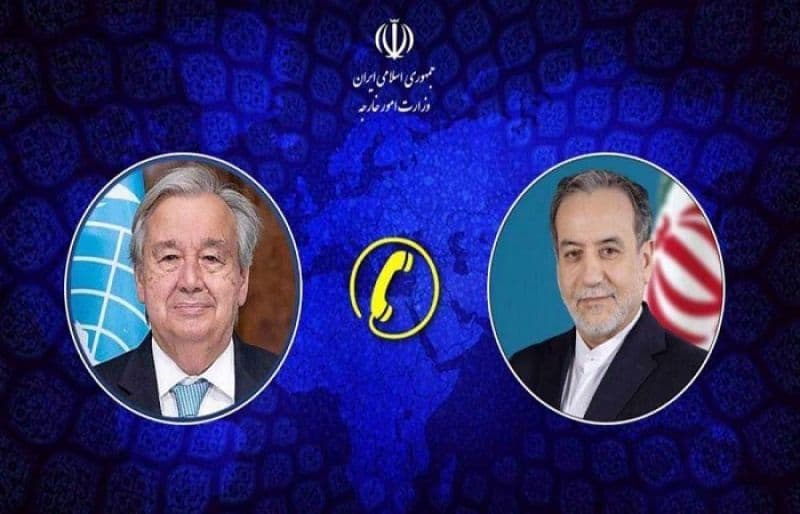
- Remarks conveyed during a telephone call with Foreign Minister Abbas Araghchi.
UN Affirms Iran's Right
The United Nations Secretary-General has explicitly affirmed Iran's right to self-defense amid escalating attacks by US and Israeli forces.
“The UN chief stressed the need to prevent the escalation of tensions and to reduce their humanitarian and security consequences in the region”
During a phone conversation with Iran's Foreign Minister Seyed Abbas Araghchi, António Guterres stated "there is no doubt about Iran's right to defend itself."

This affirmation came as Iran has been under attack for more than three weeks, with Iranian authorities characterizing the strikes as "unlawful attacks" that have targeted both military and civilian infrastructures.
The UN chief's position represents a significant international acknowledgment of Iran's legal standing to respond to aggression, while simultaneously urging efforts to prevent further escalation in the region.
Civilian Casualties Mount
The attacks have caused extensive civilian harm with Iranian authorities reporting significant casualties and infrastructure damage.
Iran's Red Crescent Society has documented that the atrocities have damaged more than 70,000 civilian targets including residential areas, business centers, schools, and vital infrastructures.
According to reports cited by Press TV, the strikes have resulted in the death of numerous people including Leader of the Islamic Revolution Ayatollah Seyyed Ali Khamenei, senior commanders, and hundreds of innocent women and children.
Iranian officials have described these attacks as "clear violations of international law and fundamental humanitarian principles" and have called for strong condemnation from the international community and relevant institutions.
Iran's Retaliatory Strikes
In response to the attacks, Iran has exercised its right to self-defense by retaliating against what it considers sensitive and strategic Israeli and American assets throughout the region.
“WANA (Mar 21) –The Secretary-General of the United Nations reaffirmed Iran’s right to self-defense during a phone call with the country’s foreign minister, while also calling for efforts to prevent further escalation in the region”
Tehran has specifically targeted assets in regional countries that are cooperating with the aggressors, while maintaining that its actions constitute lawful reprisal under international law.
Iranian authorities have urged states across the region to prevent their territories from being used as launch pads for attacks on Iranian soil, framing their defensive actions as both justified and necessary to protect national sovereignty and civilian populations.
Regional Escalation Concerns
The escalating tensions have created a complex regional security situation with widespread humanitarian consequences.
The UN Secretary-General has stressed the need to prevent the escalation of tensions and reduce their humanitarian and security consequences in the region.
Iranian officials have outlined details of recent attacks during diplomatic communications, emphasizing the pattern of civilian targeting and the violation of international humanitarian law.
The international community faces increasing pressure to address what Iran describes as systematic aggression while preventing a broader regional conflict that could have devastating humanitarian implications.
More on Iran
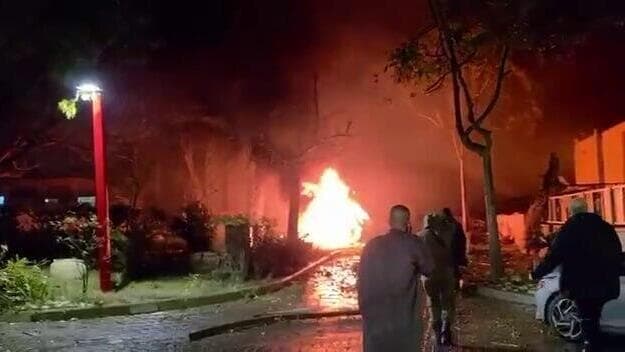
Iran Attacks Israeli Towns Dimona and Arad Near Israel's Main Nuclear Research Center, Dozens Wounded
43 sources compared
Iran Attacks Dimona in Retaliation for Natanz Strike
44 sources compared

Iran Attacks Diego Garcia with Long-Range Missiles, Targeting U.S.-UK Base
82 sources compared
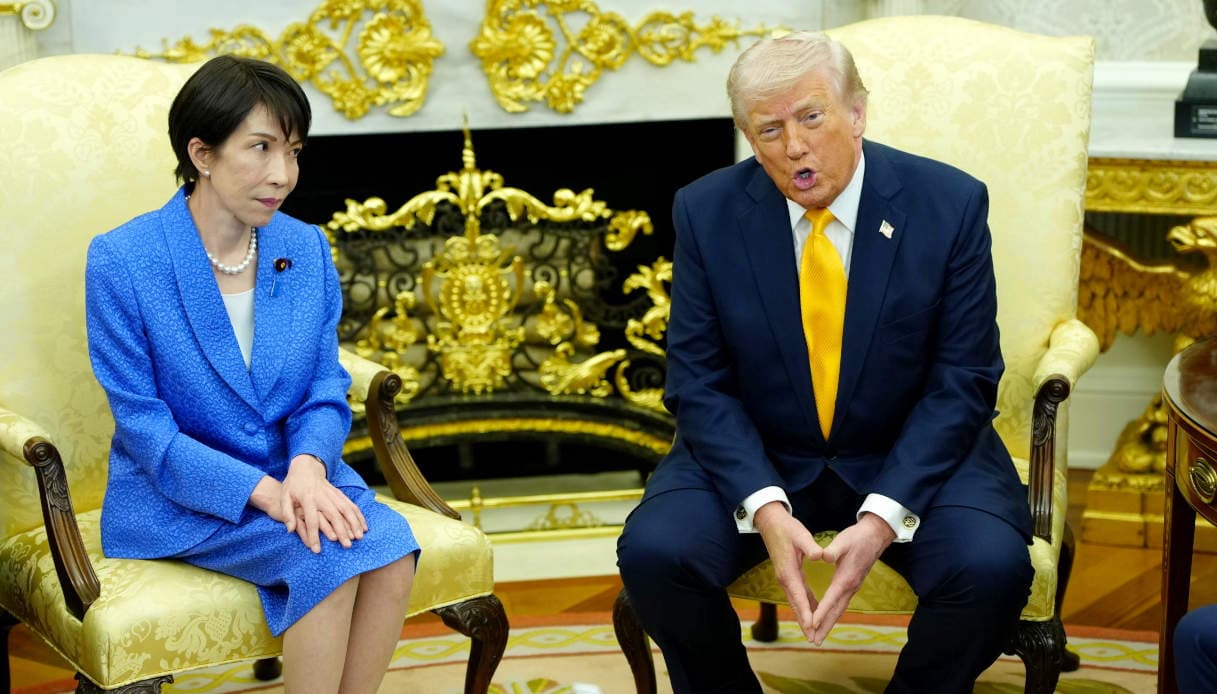
Trump Defends Iran War by Citing Pearl Harbor
12 sources compared