Yemenupdated 42m ago3 min read
Houthis And Yemen Government Forces Trade Moves Around Taiz And Dau Baba Airport
This article is an automated aggregation of coverage from news outlets. Our editorials offer in-depth analysis curated by the NewsCord team.
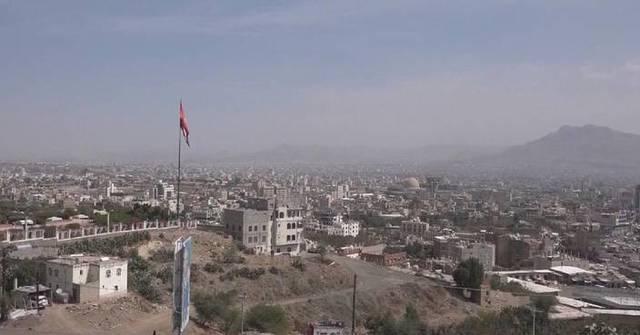
Fighting continues on multiple fronts around Dau Baba airport and Taiz. Houthis push reinforcements to encircle Taiz as government strikes respond.
14 outlets told this the same way.
War maps, Taiz pressure
Fighting continued on several fronts in Yemen, with government forces and the Ansar Allah group, the Houthis, trading movements from the surroundings of the strategic Dau Baba airport to the hills surrounding the city of Taiz.
Brig. Gen. Hassan Joni said the operations showed ongoing tactical movement on the coast and Taiz fronts, while the operational scene remained largely static, with the siege of the city continuing and government forces staying in their main defensive positions.

Zaid Al-Armm and Abduqadir Arrada displayed a map of field developments that included air raids on several provinces and mutual movements around Dau Baba, al-Wazi’iya and Taiz, alongside government attempts to advance toward the strategic Meon Island at the Bab-el-Mandeb Strait.
Arrada said Houthis-affiliated media spoke of air raids targeting Saada, Hajja, Hudaydah, and Taiz, while ground movements focused on the western coast axes and the hills surrounding Taiz, where government forces announced repelling Houthi attempts to advance.
Joni said government control of Dau Baba Airport, starting from Jabal Kehob, represented a field breakthrough since the start of the Yemen dawn operation, but forces had not yet managed to widen its scope toward al-Mokha city or exploit it to consolidate control over Bab-el-Mandeb.
UN warns of escalation
Hans Grundberg told the UN Security Council that Yemen had slid back into “full-scale war” as fighting between the Houthis and internationally recognised government forces continued. Grundberg said civilians, including women and children, were bearing the “brunt of escalating violence,” and he urged Security Council members to collectively support mediation efforts. Abdullah Ali Fadhel al-Saadi told the Security Council that the threat from the Houthis was no longer an “internal Yemeni affair,” and he called on the council to take “decisive, practical measures” to reduce the flow of funding, weapons and technology to the Iranian-backed group.
Abdulaziz al-Wasil said the UN body must address the “dangerous escalation” ongoing in Yemen, and he added that Riyadh would “not allow Yemen to be turned into a staging ground for threats to its security or to the freedom of navigation”. The UN said at least 46 civilians had been killed and more than 130 others had been injured since August, with children bearing a disproportionate toll during the ongoing clashes.

Displacement and regional stakes
Hundreds of thousands of people were displaced in Yemen following the latest escalation in the civil war, and UNHCR warned the situation was worsening. The UN refugee agency said more than 130 people were currently refugees in Yemen as a result of intensified strider between Saudi Arabia and the Iran-backed Houthi movement, and IOM said an additional 3,000 Yemenis fled across the Red Sea to neighboring Djibouti. The report said the daily number of new arrivals to Djibouti exceeded the highest levels since 2015, and it said UNHCR expected 10,000 people to arrive in Djibouti in October.
The report also said UNHCR’s operations in Djibouti were funded at only 15 percent at the end of September, and it said in Yemen the agency had only received about SEK 313 million of the SEK 1,78 billion needed. The report described Taiz in southwestern Yemen as the epicenter of the crisis, saying more than 60 percent of all internally displaced people came from there.