Iran-Israel29 October, 20253 min read
UN General Assembly Demands US End Illegal Economic Embargo on Cuba for 33rd Year
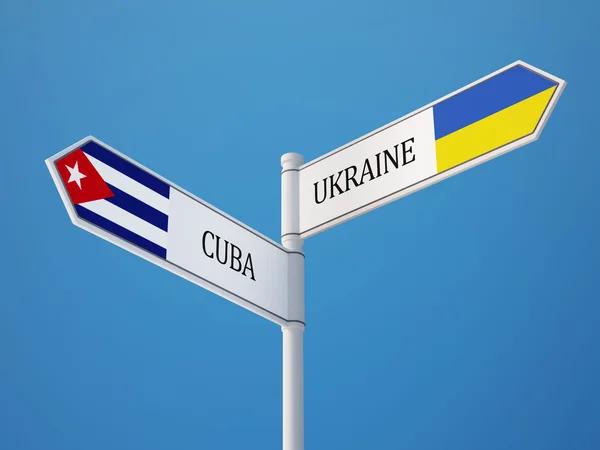
UN General Assembly voted 165-7 to renew demand ending US embargo on Cuba for 33rd year Ukraine opposed resolution for first time, citing Cuba's support for Russia's war in Ukraine
14 outlets told this the same way.
Outlets did split on U.S. Intercepts Iran Message Activating Sleeper Cells After U.S.-Israel Strike Kills Khamenei →
UN Vote on Cuba Embargo
The UN General Assembly, for the 33rd consecutive year, adopted a non-binding resolution demanding the United States end its economic, commercial, and financial embargo on Cuba. The resolution was supported by 165 countries, opposed by 7, and saw 12 abstentions. The text condemns unilateral coercive measures with extraterritorial effects and urges Washington to lift the decades-long restrictions.
“The UN General Assembly has, for the 33rd consecutive year, passed a resolution calling for an end to the US embargo on Cuba.”
Opponents this year included the US, Israel, Argentina, Hungary, Paraguay, North Macedonia, and Ukraine. Several European countries chose to abstain from the vote. Media coverage highlights that the vote reflects broad international opposition to the embargo, even though the measure remains non-binding and largely symbolic in legal terms.

Debate Over Cuba Vote
Debate around the vote was heated. The Independent reports US envoys deriding the resolution as political theater and urging states to stop supporting Cuba’s regime. Cuba’s foreign minister rebuffed these claims, accusing Washington of pressuring nations to vote against the text.
tag24 echoes the US envoy’s description of the measure as propaganda and notes Cuba’s call for humanitarian exceptions after recent hurricane damage. PressTV highlights Cuba’s charge that the US pressured European countries and states that the vote, while non-binding, carries symbolic weight for Havana.
Geopolitical Influence on Voting
Behind the numbers, outlets differ on why support decreased compared to previous years and how geopolitics influenced votes. UN News notes a slight rise in opposition and abstentions and says some Europeans abstained due to concerns about Cuba’s support for Russia amid the Ukraine conflict. Tag24 similarly points to a smaller majority for that reason.
“This year, 165 countries voted in favor, seven against, and twelve abstained, marking a slight increase in opposition and abstentions compared to last year.”
Colombia One goes further, stating that Washington influenced allies by citing Cuban nationals’ involvement in the Ukraine conflict. It also mentions that Latin American and Eastern European countries showed uncertainty or tension in their positions.
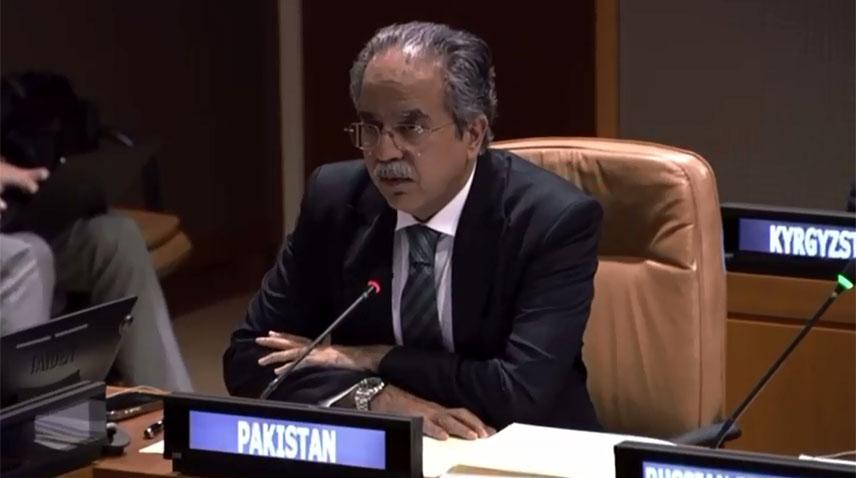
Meanwhile, Pakistan publicly supported the resolution as a matter of sovereign equality and development rights. This signals continued Global South support despite shifts elsewhere.
UN Resolution and Cuba Sanctions
Several sources stress the resolution’s non-binding character and focus on its legal and humanitarian implications. UN News notes the text condemns unilateral coercive measures and references punitive laws like the Helms-Burton Act. Associated Press of Pakistan underscores that only the US Congress can lift the embargo and argues unilateral sanctions violate sovereign equality and harm development, citing a UN report.
PressTV and The Independent both emphasize symbolism: Havana sees the vote as morally powerful despite lacking legal force. The Independent details Cuba’s severe economic strain—shrinking GDP, energy shortages, inflation, and mass emigration—conditions Cuban officials tie to sanctions and other factors. Anadolu Ajansı adds Havana’s assertion that it is a victim of terrorism originating from US territory, while also highlighting Cuba’s resilience.

Overview of US Embargo Perspectives
Accounts differ on the embargo’s origins and trajectory, as well as what comes next. tag24 says the embargo dates to 1962 and that the Cuba vote has been annual since 1992, while PressTV and Anadolu Ajansı date the embargo’s start to 1960. UN News contrasts Obama-era easing with tougher Trump measures; PressTV adds that there has been further tightening after Trump’s recent return to office.
“The non-binding resolution, passed annually since 1992, condemns the economic, commercial, and financial embargo imposed by the US on Cuba since 1962...”
Colombia One highlights an expected UN-commissioned report and future variables—from possible shifts under a new US administration or legislative reforms to internal economic and political changes Washington demands from Havana for sanction relief. Together, these narratives show consensus on symbolic condemnation but divergence on history, future pathways, and claims about current US policy.
