Iran-Israel26 September, 20252 min read
UN Reimposes Sanctions on Iran After Russia-China Bid to Delay Fails
UN Security Council rejected Russia and China’s resolution to delay sanctions on Iran. UN sanctions targeting Iran’s nuclear and ballistic missile programs were reimposed after failed talks.

42 outlets told this the same way.
Outlets did split on U.S. Intercepts Iran Message Activating Sleeper Cells After U.S.-Israel Strike Kills Khamenei →
UN Sanctions on Iran Nuclear Deal
The United Nations Security Council has reinstated sanctions on Iran following a failed attempt by Russia and China to delay the move. The sanctions are part of the "snapback" mechanism under the 2015 Joint Comprehensive Plan of Action (JCPOA). These sanctions were triggered by Western powers, particularly the European trio of Britain, France, and Germany.
“The United Nations Security Council voted against a resolution proposed by Russia and China to delay the reimposition of sanctions on Iran by six months.”
These countries accused Iran of non-compliance with the nuclear deal, citing its uranium enrichment activities and lack of cooperation with international inspectors. Despite Iran's denial of these allegations and its commitment to the Nuclear Non-Proliferation Treaty, the sanctions will target Iran's nuclear and ballistic missile programs. The sanctions will also freeze assets and impose travel bans, among other restrictions.
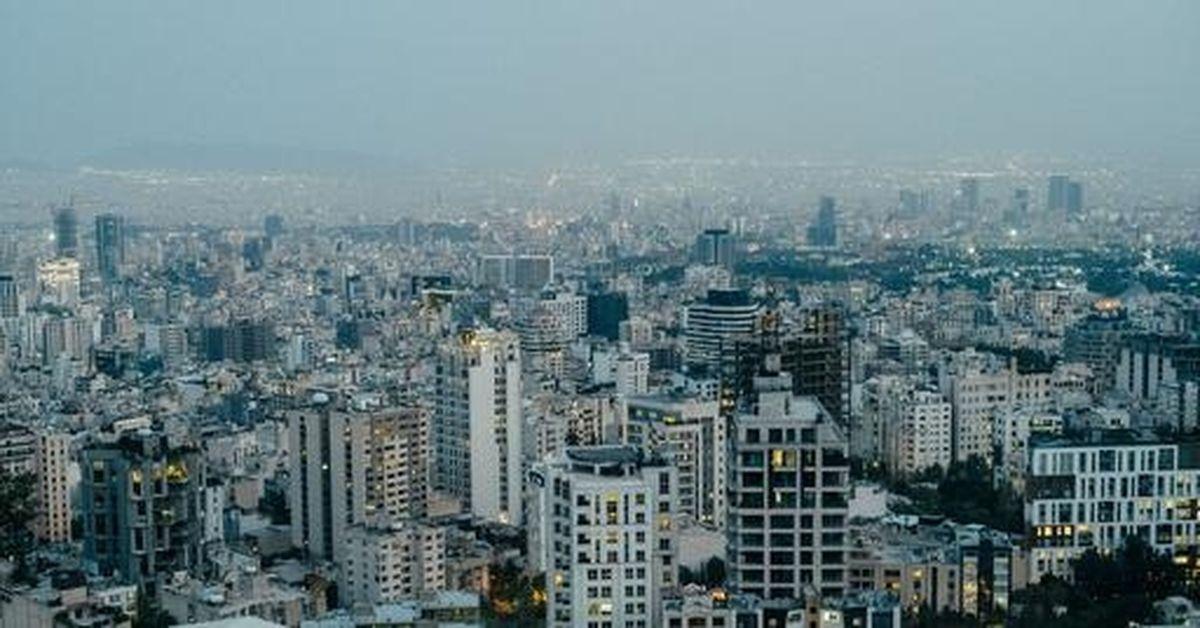
International Reactions to Sanctions
The decision to reinstate sanctions has been met with varied reactions from the international community. Western powers, particularly the United States and European countries, argue that the sanctions are necessary to pressure Iran into compliance with the nuclear deal and to prevent the development of nuclear weapons. They emphasize that diplomatic channels remain open, urging Iran to engage in good-faith negotiations.
On the other hand, Russia and China, along with some other countries, have criticized the sanctions as unlawful and counterproductive. These countries argue that the sanctions undermine diplomatic efforts and exacerbate tensions in the region.

Iran's Response to Sanctions
Iran has responded to the sanctions by recalling its ambassadors from several European countries and condemning the sanctions as illegal and unjust. Iranian President Masoud Pezeshkian has reiterated Iran's commitment to the Nuclear Non-Proliferation Treaty and denied any intention to develop nuclear weapons.
“Iran’s President Masoud Pezeshkian condemned the decision as 'unfair, unjust and illegal' but stated Iran has no plans to withdraw from the Nuclear Nonproliferation Treaty.”
He has also criticized the United States and European countries for undermining diplomatic efforts and accused them of using the sanctions as a tool of coercion. Despite the sanctions, Iran has expressed a willingness to continue negotiations, although it remains skeptical of U.S. intentions.
Economic Impact of Sanctions on Iran
The reinstatement of sanctions is expected to have significant economic impacts on Iran, worsening its already struggling economy. The sanctions will affect various sectors, including oil exports, financial transactions, and military capabilities. Western mainstream sources like The Guardian and AP News highlight the potential for increased economic hardship and inflation in Iran.
West Asian sources such as Al Jazeera and TRT World focus on Iran's resilience and its ability to withstand external pressures. Despite the economic challenges, Iran has downplayed the impact of the sanctions, emphasizing its self-reliance and determination to continue its nuclear program within the framework of international agreements.
