Iran-Israel28 September, 20252 min read
UN Reimposes Sanctions on Iran Over Nuclear Program Despite Tehran’s Rejection
UN Security Council rejected Russia and China’s resolution, enabling sanctions snapback on Iran. Sanctions freeze Iranian assets, halt arms deals, and target nuclear and ballistic missile activities.
16 outlets told this the same way.
Outlets did split on U.S. Intercepts Iran Message Activating Sleeper Cells After U.S.-Israel Strike Kills Khamenei →
UN Sanctions on Iran Nuclear Program
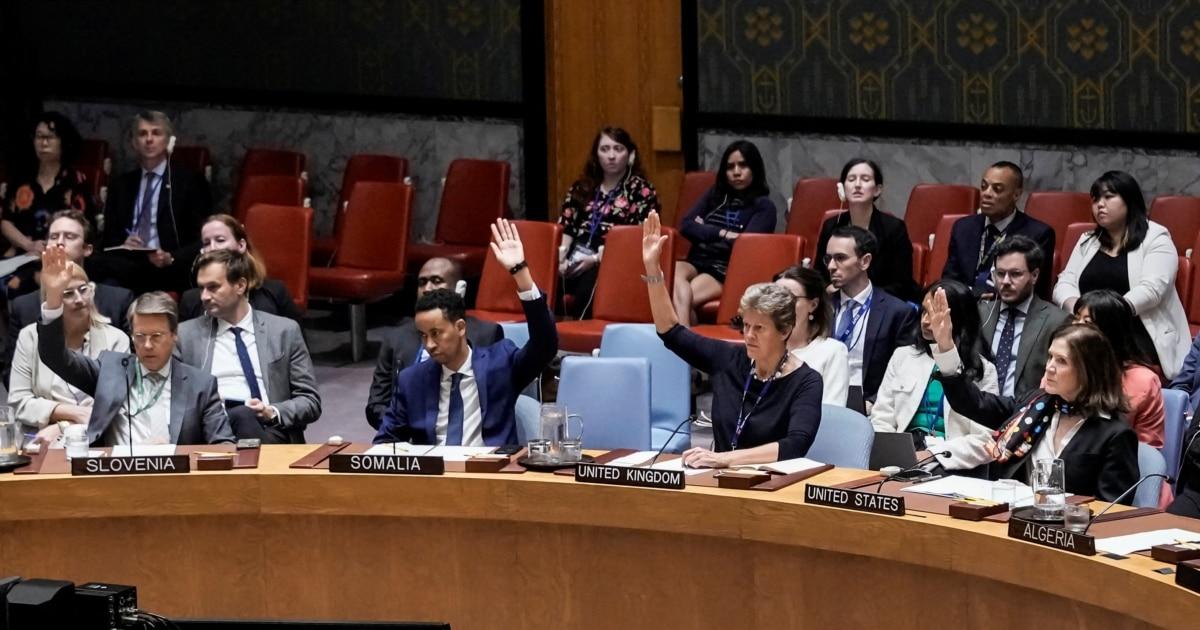
The United Nations Security Council has reimposed sanctions on Iran, targeting its nuclear and ballistic missile activities. This decision follows the failure of a resolution backed by Russia and China to delay the sanctions. The sanctions, which include an arms embargo and restrictions on uranium enrichment, were triggered by the "snapback" mechanism of the 2015 nuclear deal, known as the Joint Comprehensive Plan of Action (JCPOA).
“The U.N. Security Council voted 9-4, with two abstentions, to reject a Russian and Chinese-backed resolution aimed at delaying the reimposition of sanctions on Iran.”
Western countries, led by the UK, France, and Germany, accuse Iran of violating the nuclear deal, while Iran denies these allegations and remains committed to the Nuclear Non-Proliferation Treaty. The sanctions are expected to exacerbate Iran's economic challenges, which have been compounded by existing US sanctions since 2018.
Iran's Response to Sanctions
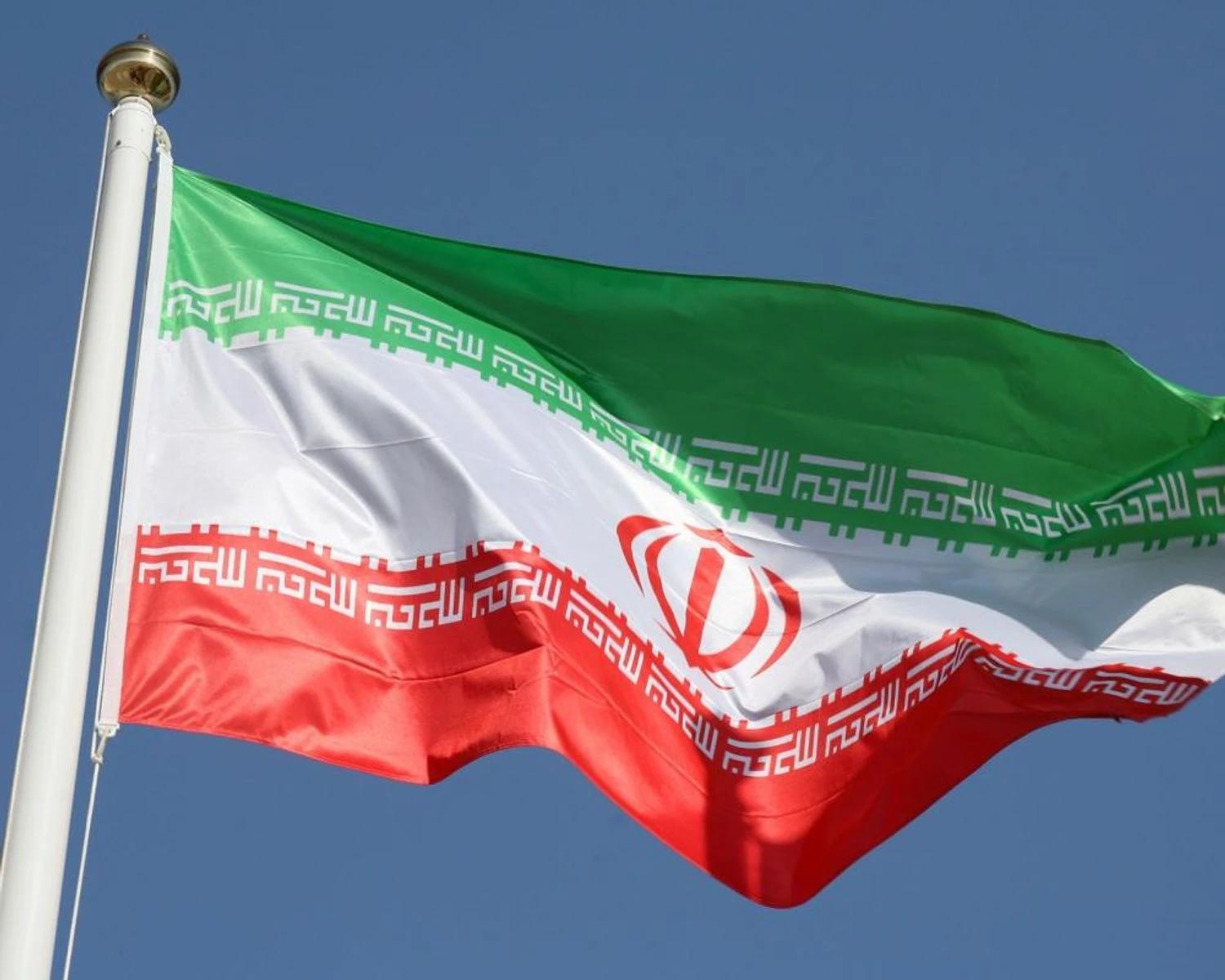
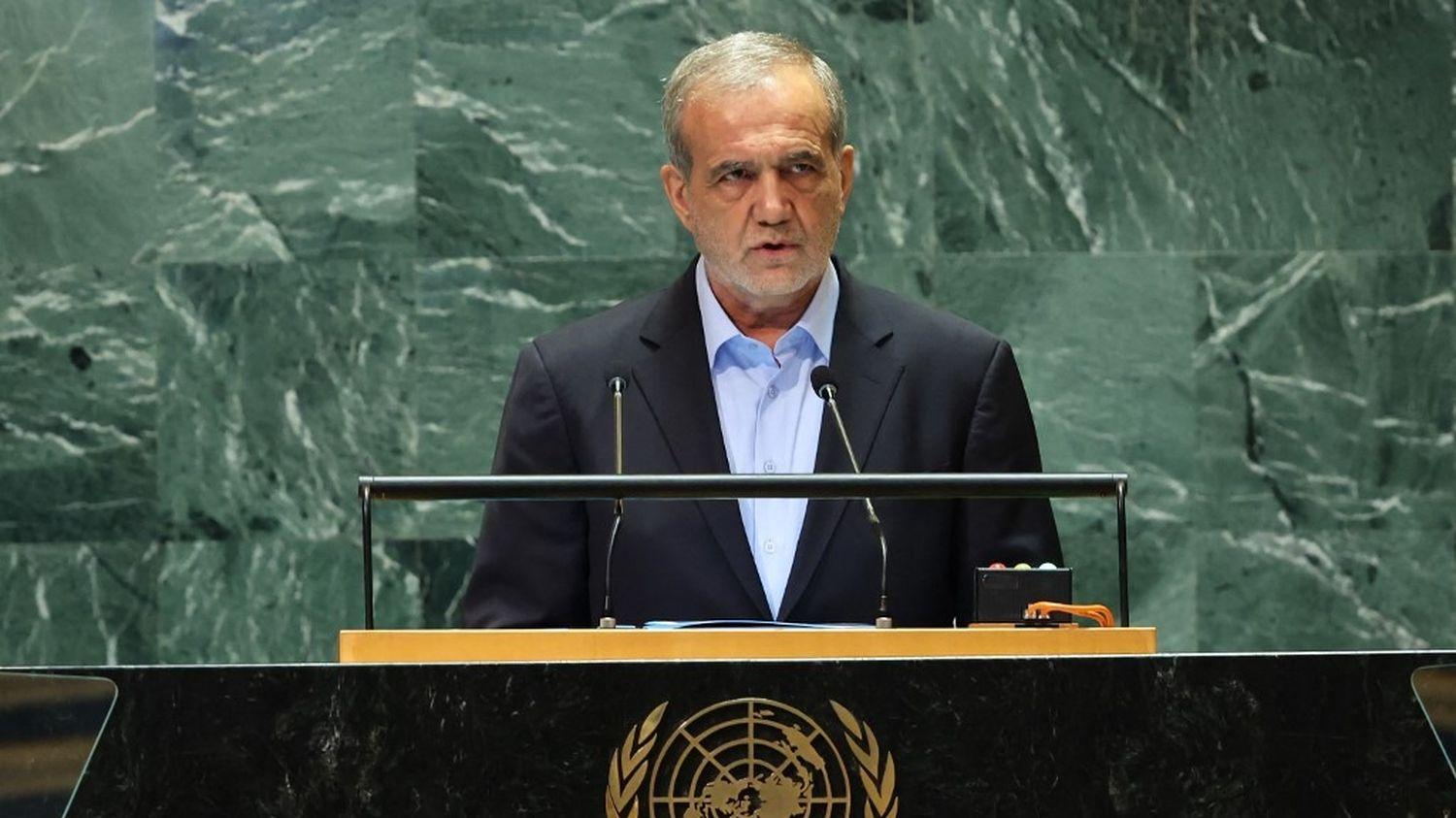
Iran has strongly condemned the reimposition of sanctions, describing them as unjustifiable and legally baseless. Tehran argues that the sanctions are a misuse of the JCPOA's dispute resolution process and a violation of international law.
The Iranian government has accused the UK, France, and Germany of acting in bad faith and has criticized the UN Security Council's handling of the sanctions vote. In response to the sanctions, Iran has recalled its ambassadors from the UK, France, and Germany, signaling a significant diplomatic rift.
International Reactions to Sanctions
The reimposition of sanctions has been met with mixed reactions internationally. Russia and China, who supported a resolution to delay the sanctions, have criticized the decision, arguing that it undermines diplomatic efforts.
“European countries argue current measures are insufficient to prevent the reimposition of sanctions.”
Russia has accused Western countries of blocking diplomacy, while China continues to import Iranian oil despite the sanctions. Meanwhile, the US and its European allies defend the sanctions as necessary to curb Iran's nuclear ambitions, citing Iran's lack of transparency and failure to engage in direct talks with the US.
Impact of Sanctions on Iran
The sanctions are expected to have significant economic repercussions for Iran, which is already facing severe economic hardship due to existing US sanctions. The International Crisis Group has warned that the new sanctions will deepen Iran's economic problems and are difficult to lift without UN Security Council approval.
Iran's currency has sharply declined, and there is rising poverty and inflation. In response, Iran is strengthening its ties with Russia, including signing a $25 billion nuclear power deal, as it seeks to pivot away from Western influence.