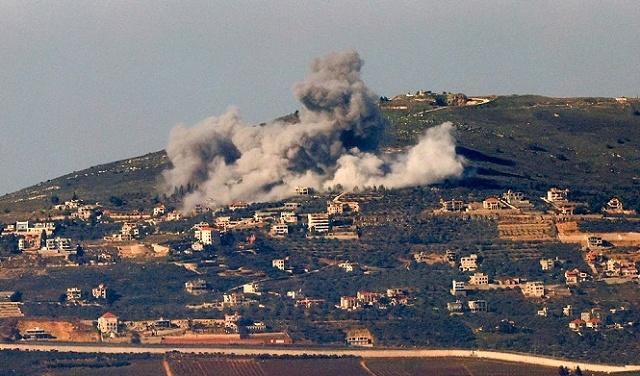
UN Says Israeli Attacks Killed At Least 277 Children In Lebanon
Key Takeaways
- UN reports at least 277 children killed and 700+ injured in Lebanon since March 2.
- Spokesperson Stéphane Dujarric announced the figure at a New York press conference.
- The toll reflects Israeli attacks across Lebanon since March 2.
UN toll since March 2
The United Nations reported that at least 277 children have been killed and more than 700 others injured in Lebanon since the start of the Israeli attacks on March 2, according to a statement delivered by the spokesperson for the UN Secretary-General, Stéphane Dujarric.
WAFA said the figures were presented during a press conference held Monday evening in New York, where Dujarric addressed “the latest developments in the Middle East.”

In the same briefing, Dujarric explained that “more than 350,000 people have been displaced,” citing Lebanese authorities.
WAFA and Ammon News both described Dujarric emphasizing that a large percentage of the displaced are “struggling to survive in overcrowded living conditions, with limited access to basic services.”
The reporting also stressed that “the situation on the ground remains fragile,” linking the humanitarian strain to ongoing military activity.
All three outlets that carried the briefing—WAFA, Ammon News, and وكالة سبأ—framed the UN’s figures as part of a “report on the human toll” resulting from the Israeli attacks in Lebanon.
Displacement and access limits
Dujarric’s briefing connected the casualty figures to displacement and day-to-day survival conditions inside Lebanon.
WAFA reported that he explained, “in a report on the human toll resulting from the Israeli attacks in Lebanon,” that “more than 350,000 people have been displaced, according to Lebanese authorities.”

The same WAFA account said Dujarric emphasized that “a large percentage of the displaced are struggling to survive in overcrowded living conditions, with limited access to basic services.”
Ammon News repeated the same linkage between displacement and access constraints, stating that Dujarric “emphasized that a large percentage of the displaced are struggling to survive in overcrowded living conditions, with limited access to basic services.”
The briefing also described the overall operational environment as unstable, noting that “the situation on the ground remains fragile.”
Across the outlets, the UN message was that humanitarian needs were not being met at the level required, with Dujarric stressing that humanitarian interventions remain insufficient “compared to the needs.”
UNIFIL monitoring in south
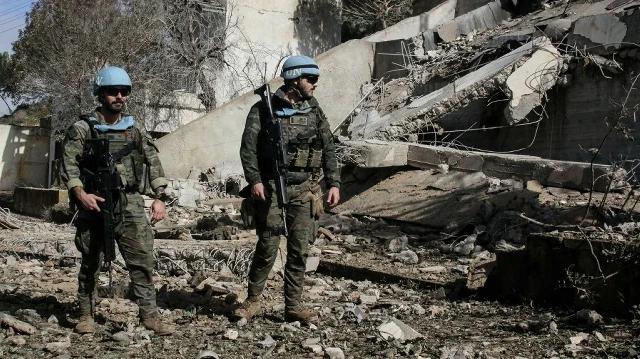
Alongside the human toll and displacement, Dujarric’s statement described the role of the United Nations Interim Force in Lebanon (UNIFIL) in monitoring ongoing activity.
WAFA said Dujarric “noted that the situation on the ground remains fragile,” and added that “the United Nations Interim Force in Lebanon (UNIFIL) continues to monitor the shelling and demolition operations carried out by the Israeli army in various locations in southern Lebanon.”
Ammon News carried the same UNIFIL monitoring language, stating that UNIFIL “continues to monitor the shelling and demolition operations carried out by the Israeli army in various locations in southern Lebanon.”
وكالة سبأ likewise reported that UNIFIL continues to monitor “the shelling and demolition operations carried out by the Israeli army in various locations in southern Lebanon,” tying the monitoring to the broader fragility described by Dujarric.
The Yaffa News Network version also included the same UNIFIL monitoring statement, again placing the monitoring in the context of “various locations in southern Lebanon.”
In all versions, the UNIFIL element served as the operational bridge between the UN’s casualty and displacement figures and the continuing military actions in the south.
Briefing setting and timing
The UN figures were presented in a specific setting and time window, according to the outlets that carried the briefing.
WAFA reported that Dujarric’s statement was made during “a press conference held Monday evening in New York,” and it identified the UN spokesperson as Stéphane Dujarric.
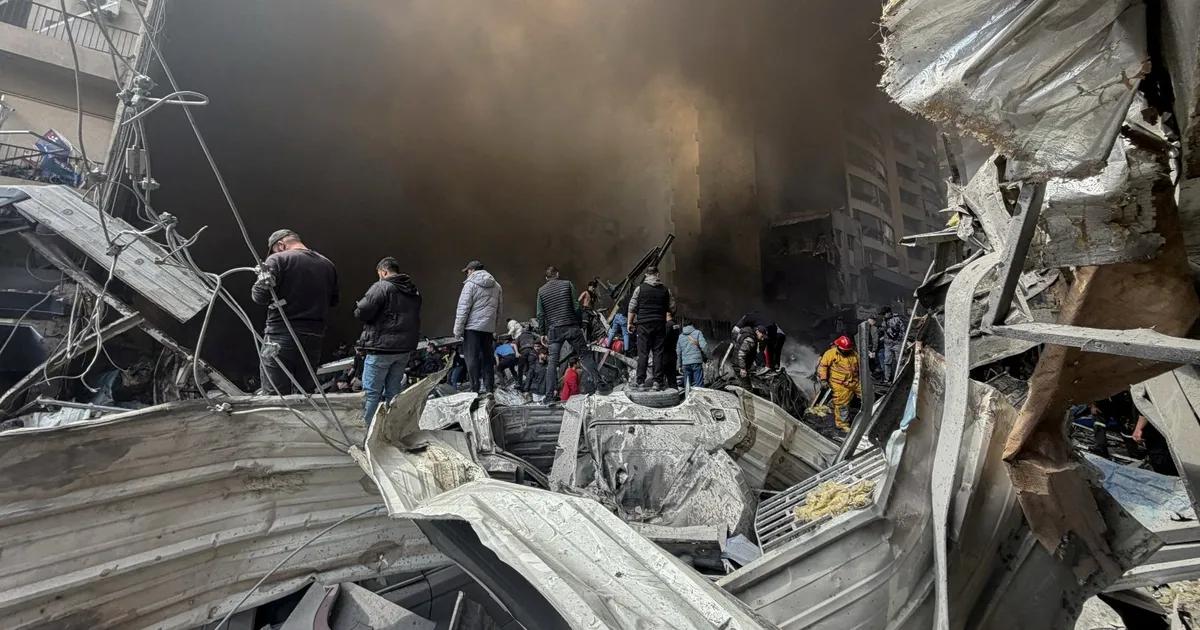
The WAFA dateline placed the report on April 21, 2026, stating “NEW YORK, April 21, 2026 (WAFA).”
Ammon News also described the statement as coming “during a press conference held Monday evening in New York,” and it attributed the account to WAFA.
وكالة سبأ similarly described the press conference as taking place “Monday evening in New York,” and it said the briefing addressed “the latest developments in the Middle East.”
Across the different reproductions, the core elements remained consistent: the March 2 start date for the Israeli attacks, the child casualty and injury totals, and the displacement figure attributed to Lebanese authorities.
Humanitarian insufficiency and stakes
Dujarric’s statement framed the humanitarian situation in Lebanon as inadequate relative to needs, and it tied that assessment to the scale of displacement and the fragility of conditions.
WAFA reported that Dujarric “stressed that humanitarian interventions in Lebanon remain insufficient "compared to the needs."”
The same phrasing appeared in Ammon News, which said Dujarric “stressed that humanitarian interventions in Lebanon remain insufficient "compared to the needs."”
وكالة سبأ also carried the same stress on insufficiency, again quoting that humanitarian interventions remain insufficient “compared to the needs.”
In the Yaffa News Network version, the same assessment was presented with the same meaning, stating that Dujarric stressed humanitarian interventions remain insufficient “compared to the needs.”
By combining the casualty figures, the displacement total, and the monitoring of ongoing operations, the UN message in these reports placed immediate humanitarian access at the center of the next phase of response.
More on Lebanon
Israeli Drone Strike Kills One, Wounds Two in Lebanon’s Bekaa During Ceasefire
13 sources compared
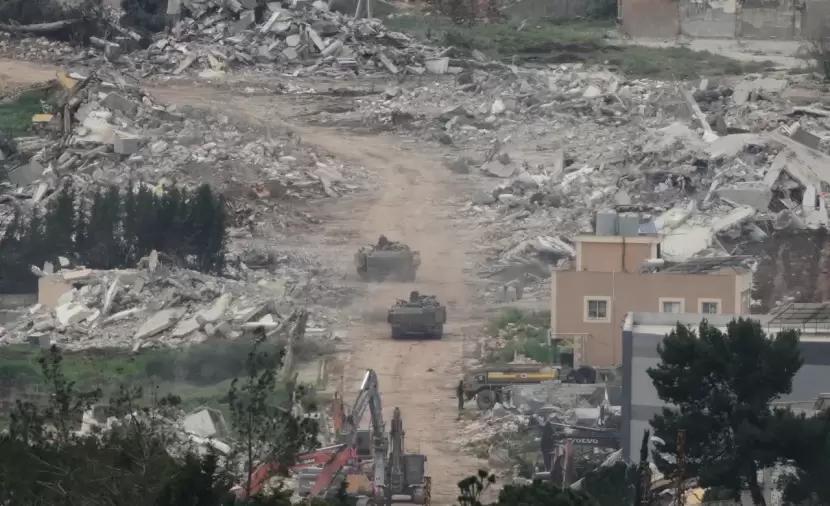
Israeli Forces Launch New Demolition Operations in Shamaa After April 17 Cease-Fire
10 sources compared
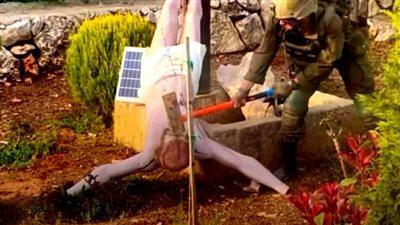
Israel Jails Soldiers After Sledgehammer Vandalism of Jesus Statue in Debl, Lebanon
29 sources compared
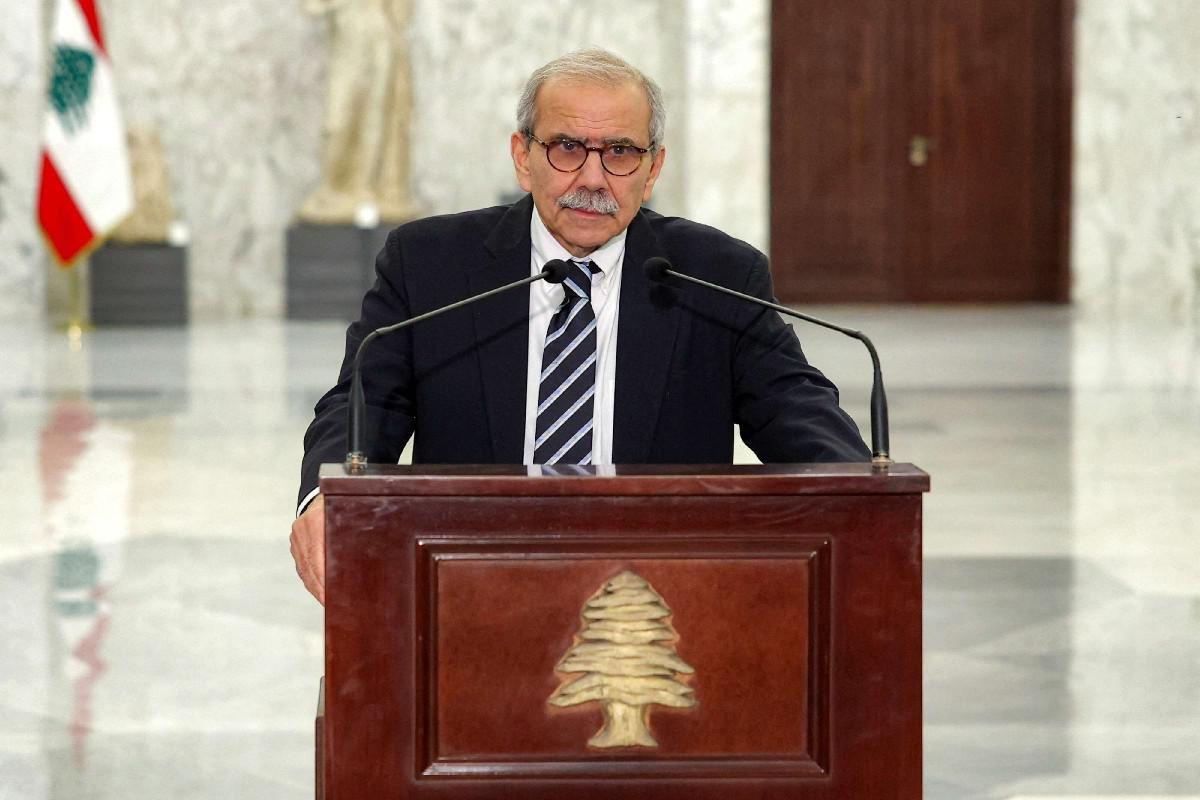
Macron Meets Nawaf Salam at Élysée Palace to Push Lebanon Ceasefire and Territorial Integrity
36 sources compared