Full story
UN flags demolitions
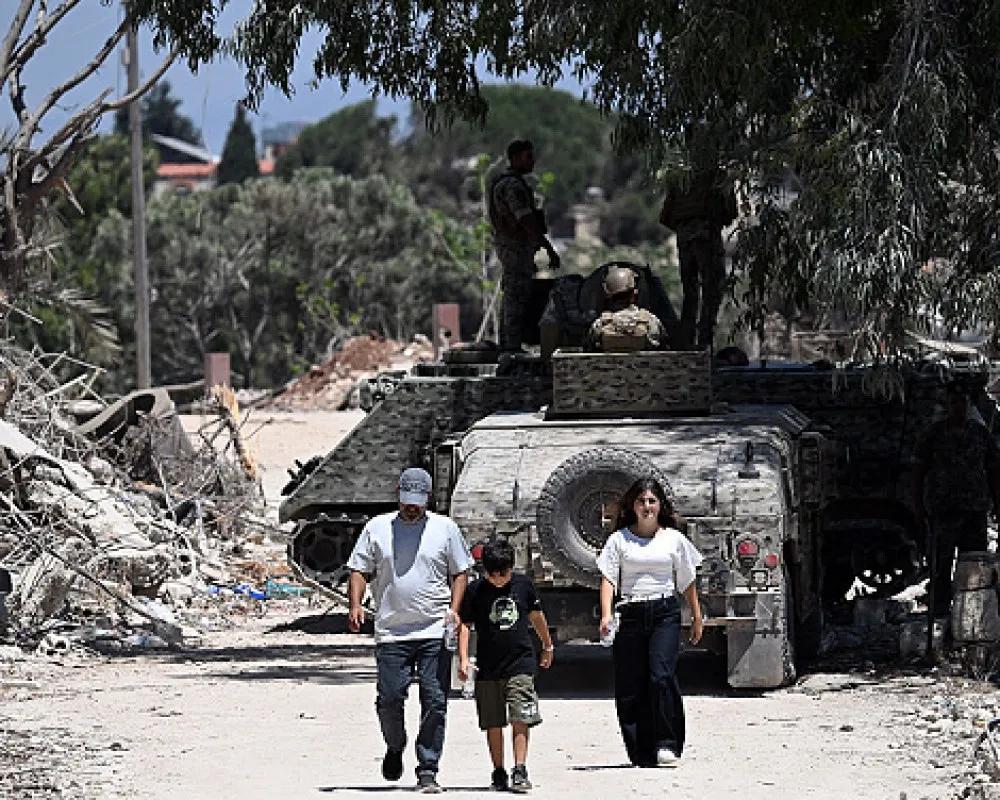
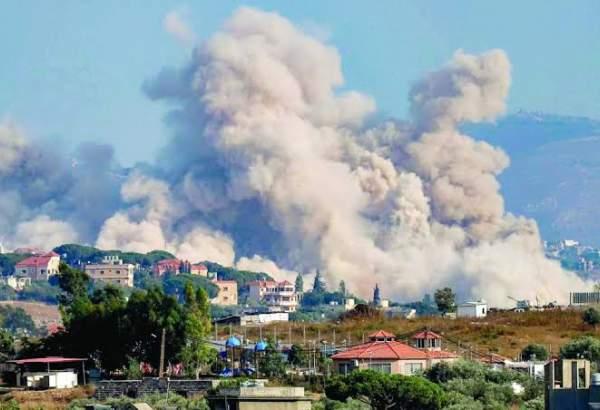
The United Nations said on Saturday that Israel’s ongoing demolitions in southern Lebanon despite a ceasefire were "deeply concerning," citing "a devastating impact on civilian infrastructure, cultural heritage, and the collective memory of communities."
“"The scale of the detonations and demolitions taking place in south Lebanon is deeply concerning"”
The UN statement came after Israel carried out large overnight detonations near a UNESCO-listed castle in Lebanon, with Israeli Prime Minister Benjamin Netanyahu and Defence Minister Israel Katz saying the army destroyed "terror tunnels in the Beaufort area" using approximately 700 tonnes of explosives.
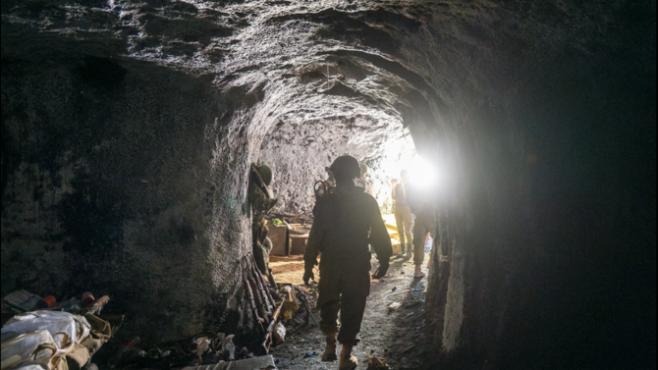
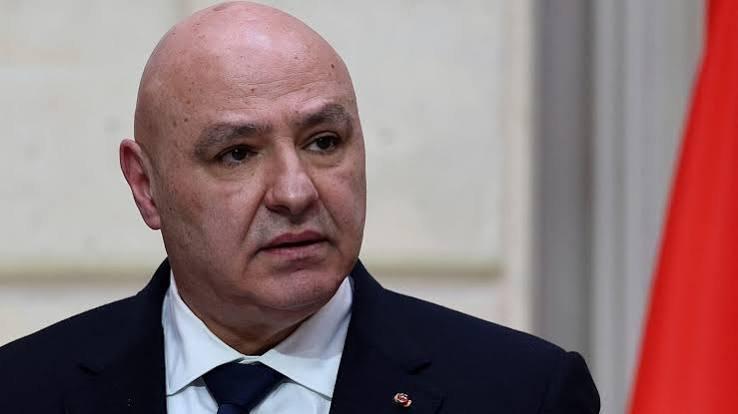
Lebanese President Joseph Aoun labelled the detonation "an extremely dangerous escalation" and "a direct threat to the process which was launched as part of the framework agreement" reached with Israel during US-sponsored talks last month.
Under the Israel-Lebanon deal described in the reports, Lebanon’s army is to disarm Hezbollah and the Israeli military is to withdraw from "pilot zones" where Lebanese forces will subsequently deploy.
The reports also say Lebanon’s state-run National News Agency reported several detonations in other parts of the south since, and at least one Israeli strike on Saturday that wounded two people.
Netanyahu, Aoun trade blows
Lebanese President Joseph Aoun said the timing of the blasts ahead of another round of talks with Israel in Rome next week "sends negative messages and undermines international efforts aimed at consolidating stability," according to the reports.
The UN office of the special coordinator for Lebanon said "this escalating pattern of destruction must stop as diplomatic channels exist to resolve any outstanding issues," framing the demolitions as a breach of ceasefire expectations.
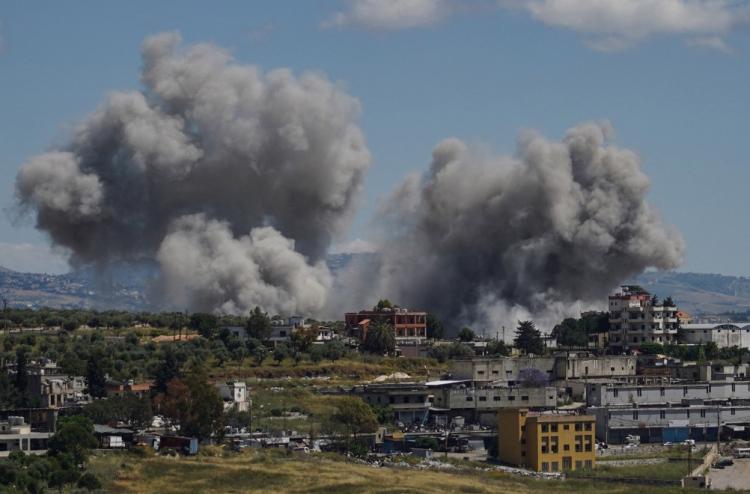
In parallel, the Israeli military said Saturday that it killed several Hezbollah fighters inside what it labelled a "security zone" in the country, and it said an Israeli soldier was moderately injured and evacuated to a hospital.
Rodolphe Haykal, speaking from the south to mark Lebanese army day, said that "we reject the continued Israeli occupation of any part of our territory," while the reports tied Hezbollah’s actions to Lebanon’s entry into the wider conflict on March 2.
The reports also describe a US-backed framework agreement signed at the end of June, with Hezbollah repeatedly rejecting it and refusing to lay down arms while no timetable was set for Israel’s full withdrawal.
What’s at stake next
The reports say the demolitions and detonations are occurring while talks are scheduled to continue in Rome next week, with the Lebanese presidency describing the blasts as a "negative" message after Joseph Aoun condemned them.
“"the ongoing Israeli aggression in the south, in the form of explosions, bombardments and methodical destruction"”
Lebanon’s framework agreement is presented in the sources as a path toward "lasting peace," providing for the deployment of the Lebanese army in "pilot zones" evacuated by Israel, subject to Hezbollah’s disarmament, which the sources say Hezbollah refuses.
The UN’s concern is explicitly linked to civilian harm and heritage, with the statement warning of "a devastating impact on civilian infrastructure, cultural heritage, and the collective memory of communities."
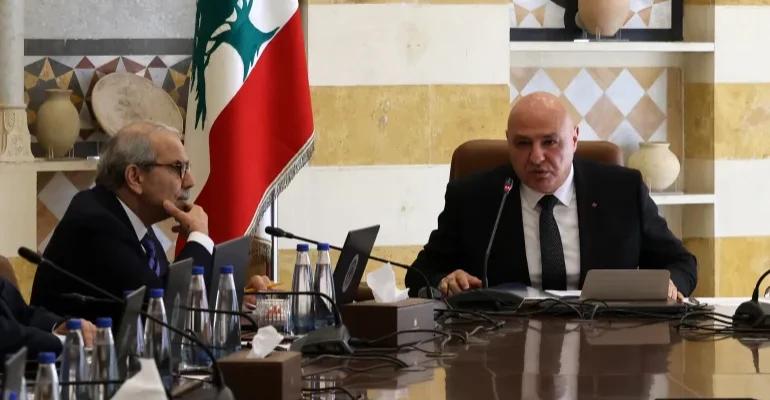
One report adds that the Lebanese Prime Minister Nawaf Salam condemned "the ongoing Israeli aggression in the south, in the form of explosions, bombardments and methodical destruction," including "damages to archaeological sites."
The same reporting also places the conflict’s broader toll in context, saying Lebanese authorities have reported that Israel’s massive bombing campaign and ground offensive have killed more than 4,300 people.