Iran-Israel26 September, 20252 min read
UN Security Council Rejects Russia and China’s Bid to Delay Sanctions on Iran
UN Security Council rejected Russia and China’s resolution to delay Iran sanctions reimposition. All UN sanctions suspended under the 2015 nuclear deal will snap back on September 27, 2025.

49 outlets told this the same way.
Outlets did split on U.S. Intercepts Iran Message Activating Sleeper Cells After U.S.-Israel Strike Kills Khamenei →
UN Sanctions on Iran Reinstated
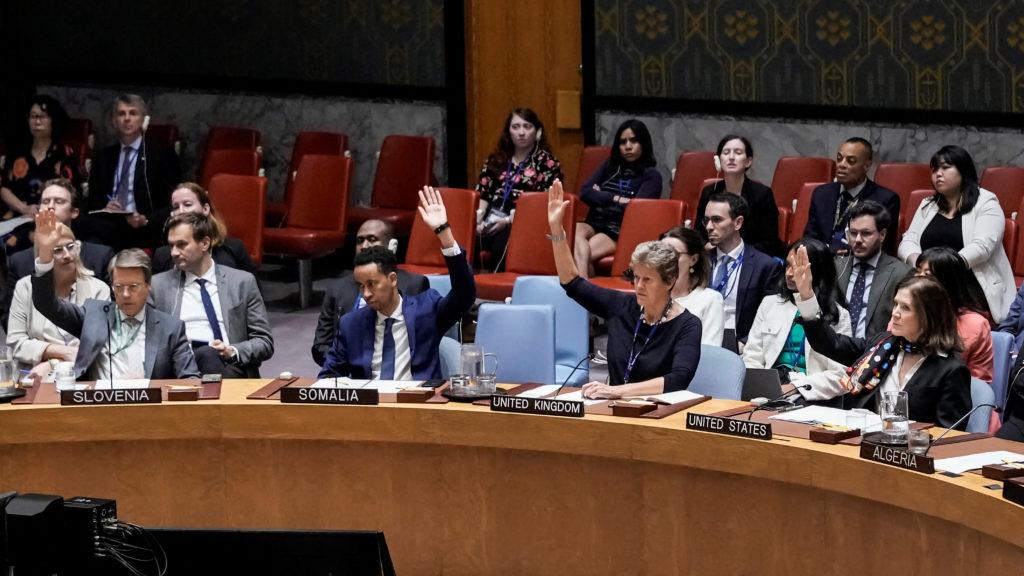
The United Nations Security Council recently voted against a resolution proposed by Russia and China to delay the reimposition of sanctions on Iran. This decision came after a failed attempt to secure enough support for a six-month extension, which was backed by China, Russia, Pakistan, and Algeria.
“The UN Security Council voted on a Russia- and China-backed draft resolution to delay the reimposition of sanctions on Iran, but it failed with only 4 votes in favor.”
The resolution was opposed by nine countries, with two abstentions, leading to the automatic reinstatement of sanctions under the "snapback mechanism" of the 2015 nuclear deal. The sanctions, set to take effect on September 27, include an arms embargo, bans on uranium enrichment and ballistic missile activities, and asset freezes, further straining Iran's economy.

Reactions to Resolution Rejection
The rejection of the resolution has been met with varied reactions from the involved parties. Russia and China expressed regret over the decision, criticizing Western countries for undermining diplomatic efforts. Russia accused the US, UK, and France of sabotaging the Iran nuclear deal.
China called for good-faith negotiations and warned against coercive measures. On the other hand, the US and UK defended their stance, citing Iran's violations of the nuclear non-proliferation regime. These violations include Iran's accumulation of high-enriched uranium without credible civilian justification.

European Response to Iran Nuclear Deal
The European powers, particularly Britain, France, and Germany, played a crucial role in triggering the snapback mechanism. They cited Iran's violations of the 2015 nuclear deal as the reason for their actions. These countries demanded that Iran allow full access to UN nuclear inspectors and resume negotiations.
“European countries, led by France, Germany, and the UK, demand Iran grant full access to UN nuclear inspectors, resume nuclear talks, and provide transparency on its enriched uranium.”
They also called for transparency regarding Iran's enriched uranium stockpile. Despite Iran's insistence that its nuclear program is peaceful, the European countries remain skeptical. They emphasize the need for strict compliance and transparency to avoid further escalation.
Impact of Sanctions on Iran
The reinstatement of sanctions is expected to have significant economic implications for Iran, further worsening its struggling economy. The sanctions focus on key sectors such as banking and oil, which are crucial to Iran's economic stability.
Despite the economic pressure, Iranian officials, including Foreign Minister Abbas Araghchi, have dismissed the sanctions as "legally void" and politically motivated. They have urged the UN to block the sanctions and expressed their willingness to continue their nuclear program without yielding to external pressure.