Gaza Genocide · updated 1h ago · 2 min read
UN Women Warns 11.7 Million Women And Girls Across 28 Countries Face Food Insecurity
11.7 million women and girls could face food insecurity across 28 countries by end-2026. They represent about 53% of the projected 22 million new hunger cases.
Whether de-escalation and peace are emphasised.
6 of 8 outlets skipped it: a moderate scenario implies 22 million more people food insecure by December.
13outlets compared
Same story, two versions
tap a side to read it in full
WAFA Agency
“She stressed that addressing the crisis requires not only humanitarian efforts, but also peace and security, de-escalation”Read the original ↗
One outlet foregrounds de-escalation and peace; the other truncates response specifics.
UN warns of hunger risk
UN Women warned that an additional 11.7 million women and girls across 28 countries could face food insecurity by the end of the year amid the repercussions of the ongoing escalation in the Middle East and disruptions in the Strait of Hormuz. UN Women said the additional 11.7 million women and girls would join approximately 208 million women and girls already experiencing food insecurity or malnutrition in the countries covered by the study.
UN Women linked the risk to rising energy, fertilizer and transport costs driven by disruptions to shipping through the Strait of Hormuz, which it said have driven up food prices and damaged livelihoods. UN Women also said women and girls would account for 53 percent of the estimated 22 million additional people who could face food insecurity under a moderate-impact scenario.
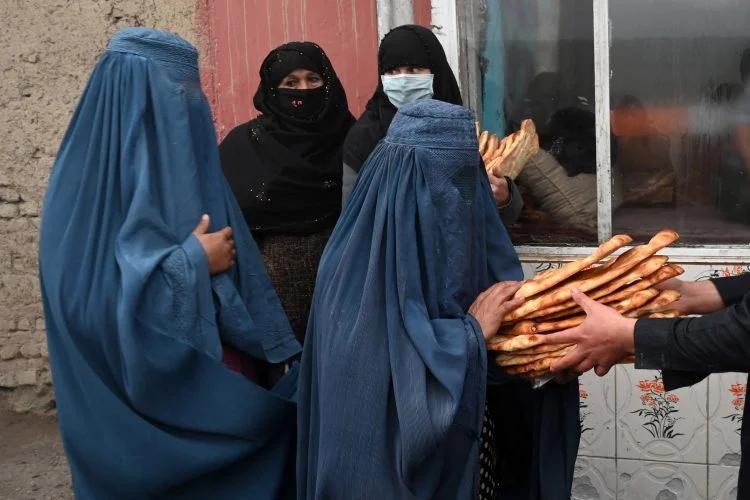
Where risks are concentrated
UN Women said the analysis found that countries such as South Sudan, Sudan, Haiti, Yemen, and Palestine face high levels of risk due to the overlapping effects of conflict, displacement, and economic vulnerability. UN Women warned that South Sudan faces one of the most severe risks, with approximately 852 000 additional women and girls potentially experiencing food insecurity by December.
UN Women said the figure represents about 14% of South Sudan’s female population, equivalent to roughly one in seven. UN Women said in Sudan, women and girls could account for 56% of those additionally affected, and it identified Sudan and South Sudan as countries where severe hunger, displacement, humanitarian funding shortages and inequality were converging to magnify the shock.

Calls for gender-responsive action
UN Women warned that women face “double exposure” because higher prices affect household food purchases and agricultural livelihoods. UN Women called for stronger food and cash assistance, gender-responsive social protection, nutrition services and protection of agricultural livelihoods, and it urged that women retain access to land, credit, farming inputs and essential services.
UN Women said agricultural support must reach producers before planting seasons to prevent higher input costs from causing smaller harvests and further food-price increases. UN Women also called for de-escalation of tensions and respect for international law, saying “Without early, coordinated and gender-responsive action, this escalation could deepen food insecurity and gender inequality well beyond the region,” as it urged diplomatic solutions.