Yemen · updated 1h ago · 2 min read
UNICEF Says Fighting In Yemen Disrupts Healthcare, Raises Acute Malnutrition Among Children
Acute malnutrition among Yemeni children rising as fighting disrupts healthcare. About 71,000 children displaced in three weeks due to escalation.
18 outlets told this the same way.
7 of 8 outlets skipped it: UNICEF staff describe specific children met at a displacement centre..
18outlets compared
UNICEF flags acute malnutrition
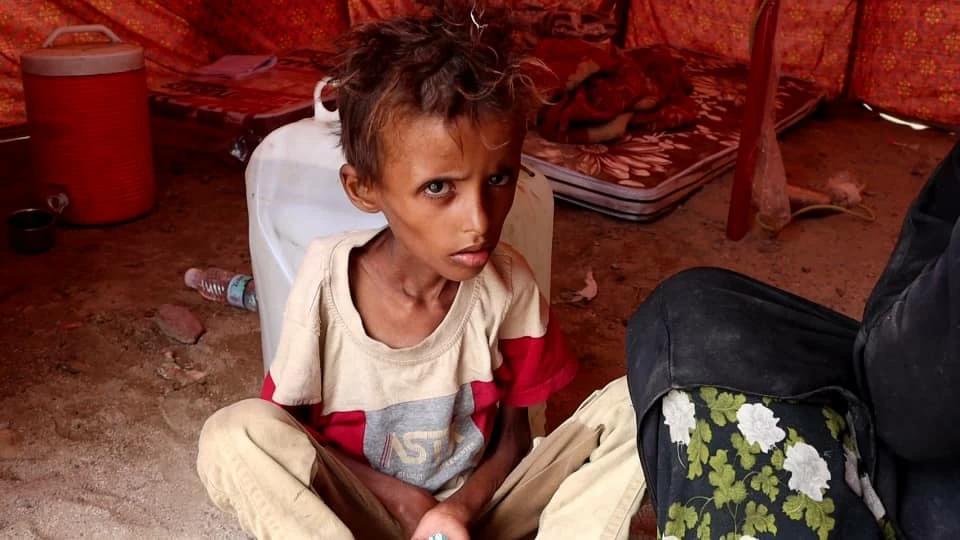
Fighting in Yemen is disrupting access to healthcare and treatment centres, and UNICEF reported a rise in acute malnutrition among children, including the most severe cases. UNICEF Country Representative in Yemen Akhil Iyer told reporters in Geneva via video link from Aden, "We're very concerned about a very visible increase in acute malnutrition among children."
UNICEF said its mobile teams screened nearly 2,900 children in accessible areas in recent weeks, and more than a quarter were acutely malnourished with 200 of those considered "severe". UNICEF warned that the situation is only a snapshot of the wider country, where 2.2 million children under five are projected to be acutely malnourished this year and more than half a million are projected to be suffering from severe acute malnutrition.

Displacement and verified child deaths
71,000 children have been displaced in Yemen over the past three weeks, as hunger and malnutrition worsen children’s vulnerability to violence. UNICEF told reporters that nearly 130,000 people were displaced during the period, with most uprooted from or within the southwestern governorate of Taiz.
UNICEF said it has verified that at least 15 children were killed and 14 injured in the conflict since early September, while three were still reported missing. UNICEF also said the renewed fighting is disrupting education, with 243 schools closing or suspending classes over the past three weeks, affecting nearly 140,000 students.

UNICEF expands emergency response
UNICEF warned that the closure or suspension of studies in 243 schools affected more than 137,000 students, as the conflict continues to disrupt access to healthcare and nutritional treatment. UNICEF said its mobile nutrition teams screened about 2,900 children in areas accessible to humanitarian aid in recent weeks, finding that more than one in four children suffers from acute malnutrition and more than 200 suffer from severe acute malnutrition.
UNICEF said it is expanding its emergency response to reach about 231,000 people in Yemen through mobile health and nutrition teams, provision of safe drinking water, health facility support, and child protection services. UNICEF urged parties to protect children and civilian infrastructure, respect international humanitarian law, and facilitate safe and unobstructed humanitarian access, warning that "The children of Yemen have already lost a lot because of the conflict, and they should not be forced to lose more."