
United States And Iran Ceasefire Begins, Israel Says Hezbollah Operations Continue
Key Takeaways
- Two-week US-Iran ceasefire mediated by Pakistan begins.
- Iran rapidly rehabilitates underground missile launch platforms during ceasefire; offensive capabilities intact.
- Ceasefire negotiations planned to pursue a long-term agreement after the two-week pause.
Ceasefire, but not peace
A two-week ceasefire between the United States and Iran is set to begin, with the pause mediated with “mediation support” and talks expected to move toward a long-term agreement, according to The Economic Times.
The deal includes reopening the Strait of Hormuz and pausing attacks on Iran, but the same report stresses that the ceasefire has limits and that Israel confirmed the agreement does not apply to Lebanon.

The Economic Times says Israel confirmed that “operations against Hezbollah will continue,” and it frames that separation as a source of uncertainty about long-term stability.
France 24 reports that Iranian and US delegations were headed for Islamabad on Friday for ceasefire negotiations, but that the talks “threaten to be derailed by deep disagreements.”
France 24 also describes Iran’s stance that it would only begin talks if Washington accepted its “preconditions,” while US Vice President JD Vance warned Tehran not to “play” the US.
Xinhua’s account from Tehran describes the ceasefire as a halt “at least for now” to nearly six weeks of conflict, while residents still reported sporadic explosions and air-defense sounds.
Across the accounts, the truce is treated as temporary and fragile: Xinhua says “Whether the truce would hold” remains unclear, while The Economic Times highlights risks including “Ongoing strikes” and “distrust between sides.”
Lebanon excluded, strikes continue
The Economic Times lays out why Lebanon was not included in the US-Iran truce, saying the ceasefire “focused on direct US-Iran tensions” and that “Lebanon became a separate conflict area.”
It adds that “Military operations in Lebanon are tied to Israel-Hezbollah tensions rather than US-Iran negotiations,” explaining why attacks continued even after the ceasefire announcement.
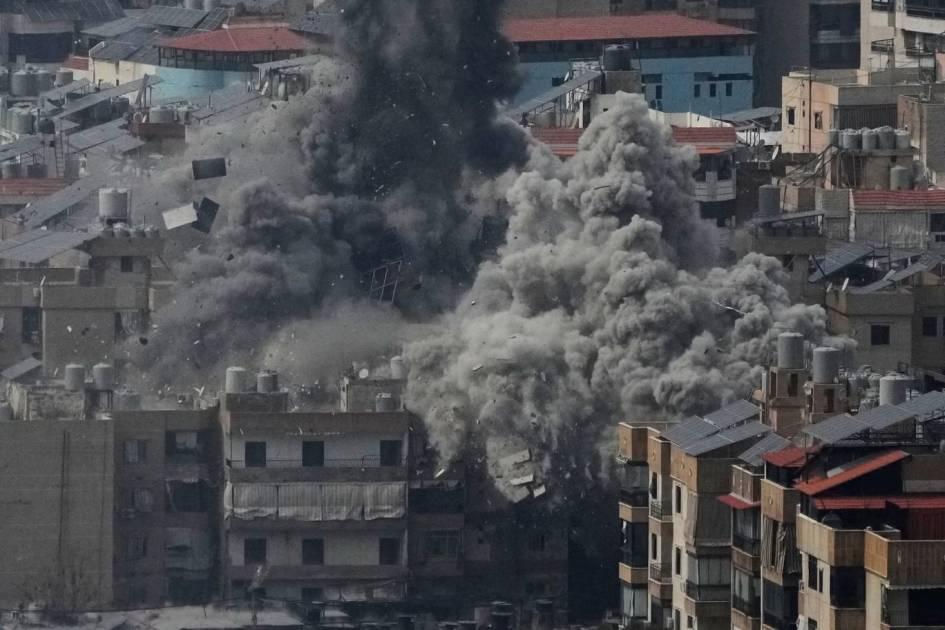
The same report says Israeli strikes continued across Lebanon despite the ceasefire announcement, with areas near Tyre and the al-Abbassieh neighbourhood targeted.
It also reports that “An Israeli strike hit a funeral in the Bekaa Valley village of Shmestar,” where “At least ten people died and four were injured,” and that Prime Minister Nawaf Salam said Israel was “killing civilians in densely populated areas.”
Health Minister Rakan Nassereddine is quoted saying “hospitals were overcrowded with victims from strikes in Beirut and other areas,” linking the Lebanon fighting to strain on medical capacity.
France 24 similarly describes parallel violence during the ceasefire, saying an Israeli strike on the southern Lebanese city of Nabatieh killed “13 State Security personnel,” while Hezbollah fired “around 30 projectiles” into Israel over the course of the day.
France 24 also quotes Hezbollah’s claim that it targeted Israel’s Ashdod naval base with missiles “in response to the enemy's violation of the ceasefire and its repeated attacks on Beirut.”
In the same thread, France 24 says on Wednesday Israel carried out its “heaviest strikes on Lebanon since Hezbollah entered the Middle East war,” killing “more than 350 people,” and it reports the Israeli military said the strikes killed “more than 180 Hezbollah militants.”
Iran’s internal debate over truce
Iran’s political establishment largely rallied behind the Supreme National Security Council’s decision to accept a two-week ceasefire mediated by Pakistan, but critics warned that the pause could harm prospects for political change, according to ایـران اینترنشنال.
The outlet says President Massoud Pezeshkian described the truce as “the fruit of the blood of the martyred great leader Khamenei and the achievement of the presence of all people on the scene,” referring to Supreme Leader Ali Khamenei.
It reports that Ebrahim Azizi, head of parliament’s National Security and Foreign Policy Committee, said the ceasefire reflected the “victory of the Islamic Republic” and the “surrender of the enemy.”
Malek Shariati is quoted warning that Washington is “untrustworthy,” adding that “given the record of US bad faith, we are highly pessimistic about the outcome of peace negotiations.”
Another critic, Fazlollah Ranjbar, is quoted saying Iran should not trust the United States unless it “fully accepts Iran’s conditions and pays compensation,” while also stating he supports the ceasefire because it was approved by the Supreme National Security Council and endorsed by Iran’s leadership.
The outlet also includes a warning from the Islamic Propagation Coordination Council urging media and activists to avoid “any divisive remarks, spreading doubt or despair regarding the system’s high-level decisions, and giving a pass to enemy media narratives.”
Reformist figures welcomed the ceasefire while calling for domestic political change, with Esmail Gerami-Moghaddam saying all branches of government and society should unite behind the decision and criticizing opposition groups for “appropriating” past protests.
A prominent commentator, Ahmad Zeidabadi, wrote: “Whatever negative judgments we may have about the officials of the Islamic Republic… it cannot be denied that in this exhausting war they acted boldly, fearlessly, and effectively,” and he added “Without a doubt, this is a brilliant political victory for Iran.”
US pressure, Iran preconditions
As the ceasefire moved toward talks in Islamabad, France 24 reports that Iran demanded a truce in Lebanon and the release of its blocked assets, while US Vice President JD Vance warned Tehran not to “play” Washington.
France 24 says Vance told reporters that “If the Iranians are willing to negotiate in good faith, we're certainly willing to extend the open hand,” but he added that “if they're going to try to play us, then they're going to find the negotiating team is not that receptive.”
The same report says Iran’s delegation was led by Parliament Speaker Mohammad Baqer Ghalibaf and that negotiations would begin if Washington accepted Tehran’s “preconditions.”
It quotes Ghalibaf writing on X that he put forward two measures he said “must be fulfilled before negotiations begin”: a ceasefire in Lebanon and the release of Iran's blocked assets.
France 24 also cites a UN special rapporteur, Alena Douhan, who put the figure at “$100-120 billion” during a visit to Tehran in 2022, while noting that estimates vary on the value of frozen assets.
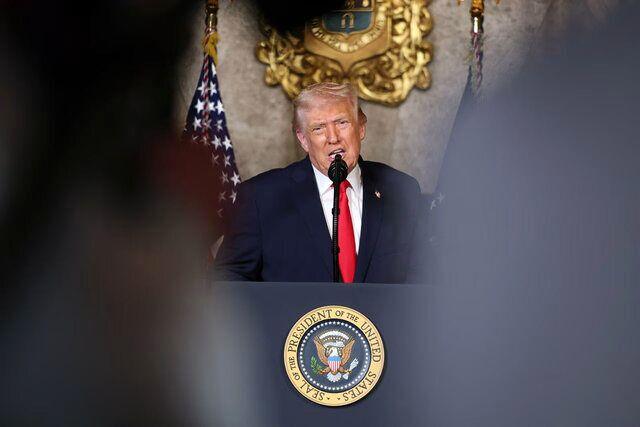
The Economic Times adds another layer of pressure by reporting that Donald Trump said countries supplying weapons to Iran would face a “50 percent tariff” on goods sold to the United States and that there would be “no exemptions.”
The Economic Times also says Trump stated that “sanctions and tariff relief would be given to Iran,” and it describes the combination of sanctions relief and tariff threats as “mixed signals” that raised questions about long-term stability.
Xinhua’s Tehran narrative underscores the atmosphere of uncertainty, describing “complete distrust of the American side” voiced by Iran’s Supreme National Security Council and noting that even on Wednesday the ceasefire felt fragile with sporadic reports of explosions and air defense systems sounding over Tehran.
Stakes: oil routes, assets, and escalation
The stakes of the ceasefire are framed through the Strait of Hormuz, frozen assets, and the risk of renewed conflict, with multiple outlets describing how quickly the situation can shift.
The Economic Times says the deal includes reopening the Strait of Hormuz and pausing attacks on Iran, but it also reports that an oil refinery on Lavan Island was hit after the ceasefire announcement, with the National Iranian Oil Refining and Distribution Company saying the fire was under control and that “no casualties were reported after evacuation.”

France 24 adds that “A fifth of the world's oil and vast quantities of natural gas and fertiliser pass through the Strait of Hormuz in peacetime,” and it notes that “only a small number of vessels have crossed since the truce was announced earlier this week.”
France 24 also reports that Trump posted on his Truth Social network that Iran has “no cards” in the talks “other than a short-term extortion of the World by using International Waterways,” and it describes Tehran’s reaction to Israeli attacks in Lebanon as insisting they “too falls under the agreement.”
Xinhua describes the war’s toll on Tehran’s daily life, saying pharmaceutical companies and petrochemical plants that supply domestic markets and generate foreign revenue have been “damaged or destroyed,” and it adds that “Reconstruction could take years.”
It also says jobs have vanished and supply chains have frayed, with Sama telling Xinhua, “Many people have lost their livelihoods,” and that “Rebuilding production lines will take a long time, and that will affect daily life.”
The Economic Times emphasizes that the ceasefire faces risks including “Ongoing strikes, military warnings, tariff threats, and distrust between sides,” and it says the ceasefire may depend on broader negotiations and regional agreements.
In the background of these stakes, Xinhua describes residents stepping out for a reprieve while still hearing air-defense systems and seeing sporadic explosions, capturing the tension between relief and uncertainty.
More on Iran
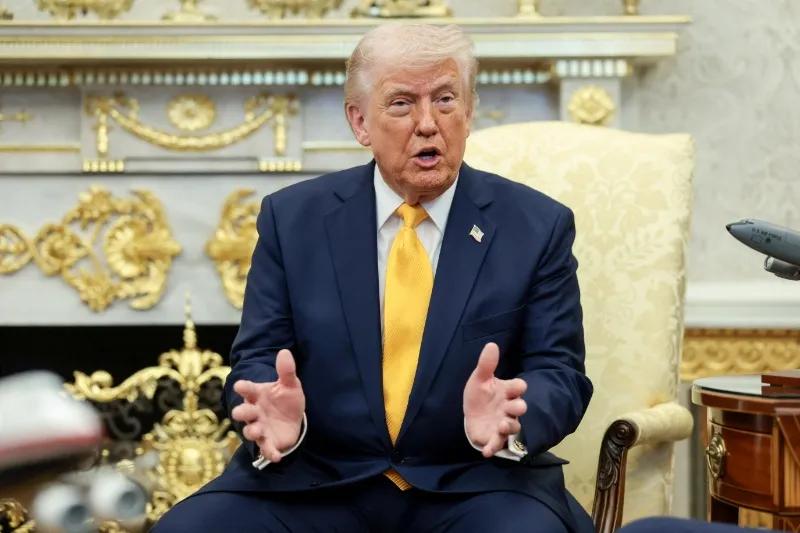
Iran’s Abbas Araghchi Declares Strait of Hormuz Completely Open as Trump Keeps U.S. Blockade
38 sources compared
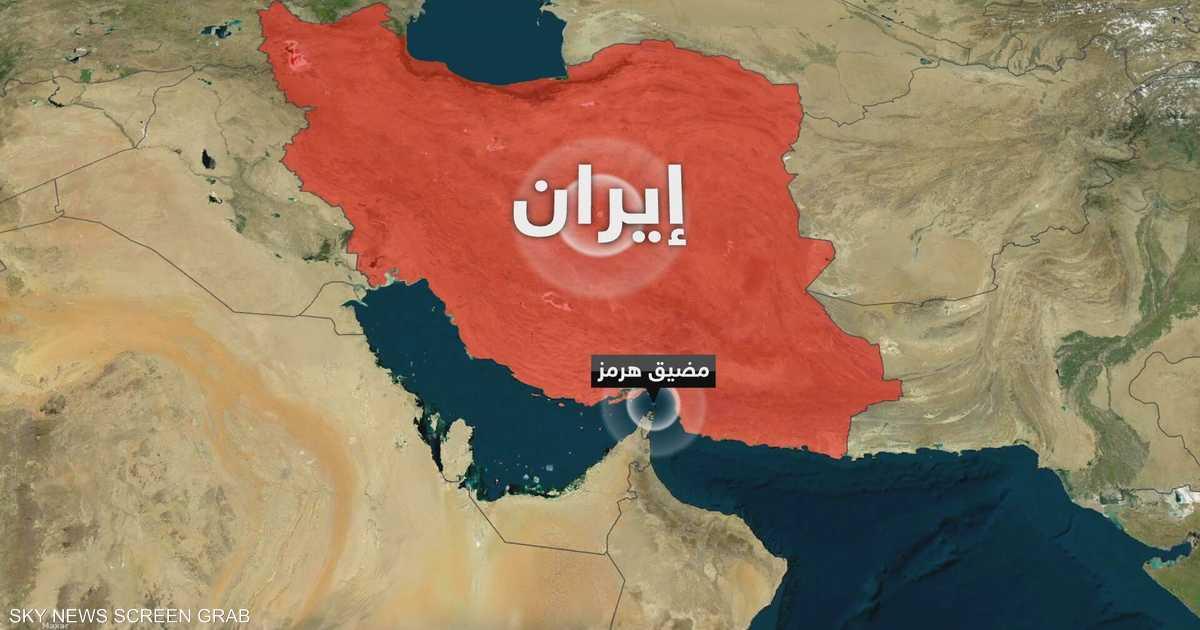
Iran Declares Strait Of Hormuz Completely Open; Trump Says U.S. Blockade Remains Active
56 sources compared
White House And Iran Trade AI Memes In Online War Over Trump And Jesus
11 sources compared
Trump Tells Las Vegas Supporters Iran War Should End Pretty Soon
21 sources compared