
United States And Iran Establish De-Confliction Cell To End Fighting In Lebanon
Key Takeaways
- United States and Iran agreed to form a Lebanon-focused de-confliction cell.
- The broader war-ending deal requires Israel to withdraw from Lebanon.
- Mediators described encouraging progress after the US-Iran talks.
De-confliction cell for Lebanon
The United States and Iran agreed to establish a de-confliction cell aimed at ending fighting in Lebanon, a move that could complicate Beirut’s insistence on keeping the Lebanon file separate from broader U.S.-Iran negotiations.
The agreement was reached during talks between Washington and Tehran held in the Swiss resort town of Börgënstock, and a joint statement by the mediators, Qatar and Pakistan, said the cell would be facilitated by the mediators to ensure compliance with ending hostilities in Lebanon.

Iranian Foreign Minister Abbas Araghchi praised the de-confliction cell, calling it "the first real test," while the BBC reported that Iran called on the United States to take "all necessary measures" to ensure Israel stops its military operations in Lebanon.
The Al-Monitor report said the talks followed a preliminary agreement reached last Wednesday calling for an immediate end to hostilities on all fronts, including Lebanon, where Israel and Hezbollah have exchanged fire since early March.
Iran’s conditions and Hezbollah’s pushback
Iran’s Foreign Ministry spokesman Ismail Baqai urged the United States to take "all necessary measures" to ensure Israel stops its military operations in Lebanon and said ending Israel’s war and Israel’s presence is a "fundamental condition" for any agreement.
In a phone call with his Lebanese counterpart, Iranian Parliament Speaker Mohammad Bagher Ghalibaf said Tehran is working hard to end the war in Lebanon, one of the most important topics discussed during talks in Switzerland last week, while Hezbollah’s Secretary-General Naim Qassem attacked the agreement as a concession of Lebanese sovereignty to Israel.
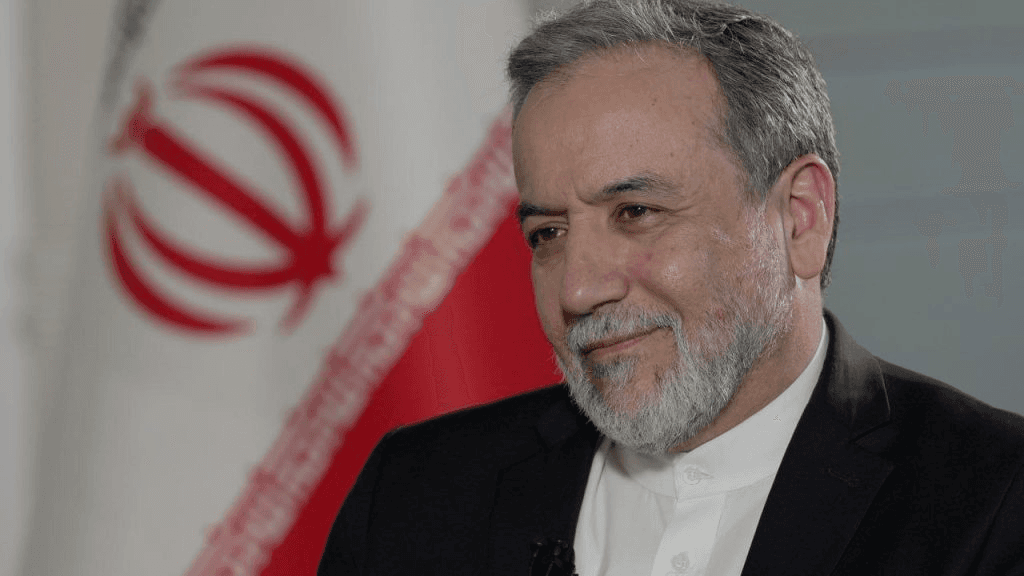
Qassem said the U.S.-Iran memorandum of understanding "guarantees the safety and sovereignty of Lebanon's lands" and that sovereignty is achieved by the full Israeli withdrawal as agreed within sixty days, rejecting any Israeli military presence in Lebanon.
The National reported that it is not known when, or whether, the proposed de-confliction group involving the U.S., Iran and Lebanon will convene, and that Lebanese participation was still undecided at a political or military level.
Escalation risks and next steps
Even as the de-confliction cell was agreed, the BBC said ongoing shelling and clashes in southern Lebanon continued, and it reported that the Israeli army announced the killing of a soldier in clashes in southern Lebanon, as well as a Lebanese man killed and at least two others wounded.
“The United States and Iran plan to form a 'conflict-resolution cell' on Lebanon, sidelining the Lebanese state”
The BBC also reported that Captain David Hazout, 21, platoon leader, was killed in battle in southern Lebanon, raising the Israeli death toll to 38 since the war with Hezbollah began in early March, while the Israeli army said it conducted air strikes and killed Hezbollah militants and destroyed a rocket-launching platform in the Nabatieh region.
The Times of Israel framed the Lebanon track as a way to keep the Lebanon file from being absorbed into the U.S.-Iran track, quoting Yechiel Leiter saying the agreement had put "the train back on the tracks" with a "final destination" of peace between the neighboring countries.
The Al-Monitor report said Lebanese President Joseph Aoun spoke by phone with Vance and Kushner on Monday to discuss steps to bolster the ceasefire in Lebanon and end Israeli attacks, and it added that the fifth round of Lebanon-Israel talks is scheduled to begin in Washington on Tuesday.
More on Iran
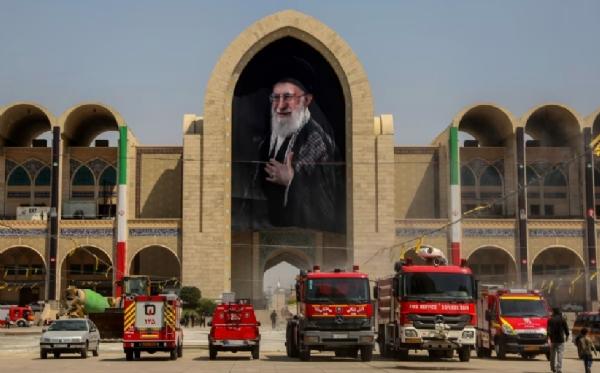
Iran Begins Weeklong Funeral for Ayatollah Ali Khamenei as Mojtaba Khamenei Skips Events
22 sources compared

IRGC Missile And Air Strikes Hit U.S. Bases In Kuwait And Bahrain, CENTCOM Confirms
13 sources compared
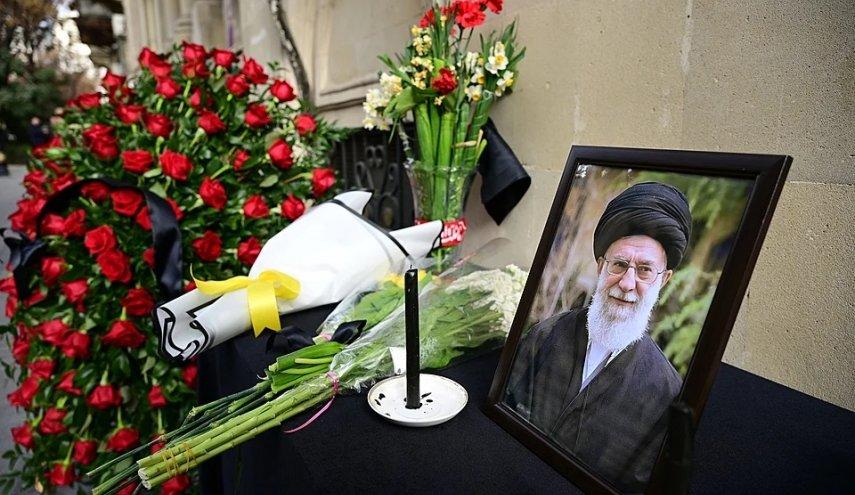
US Warned Iran Israel Could Assassinate Abbas Araghchi And Mohammad Baqer Qalibaf
13 sources compared
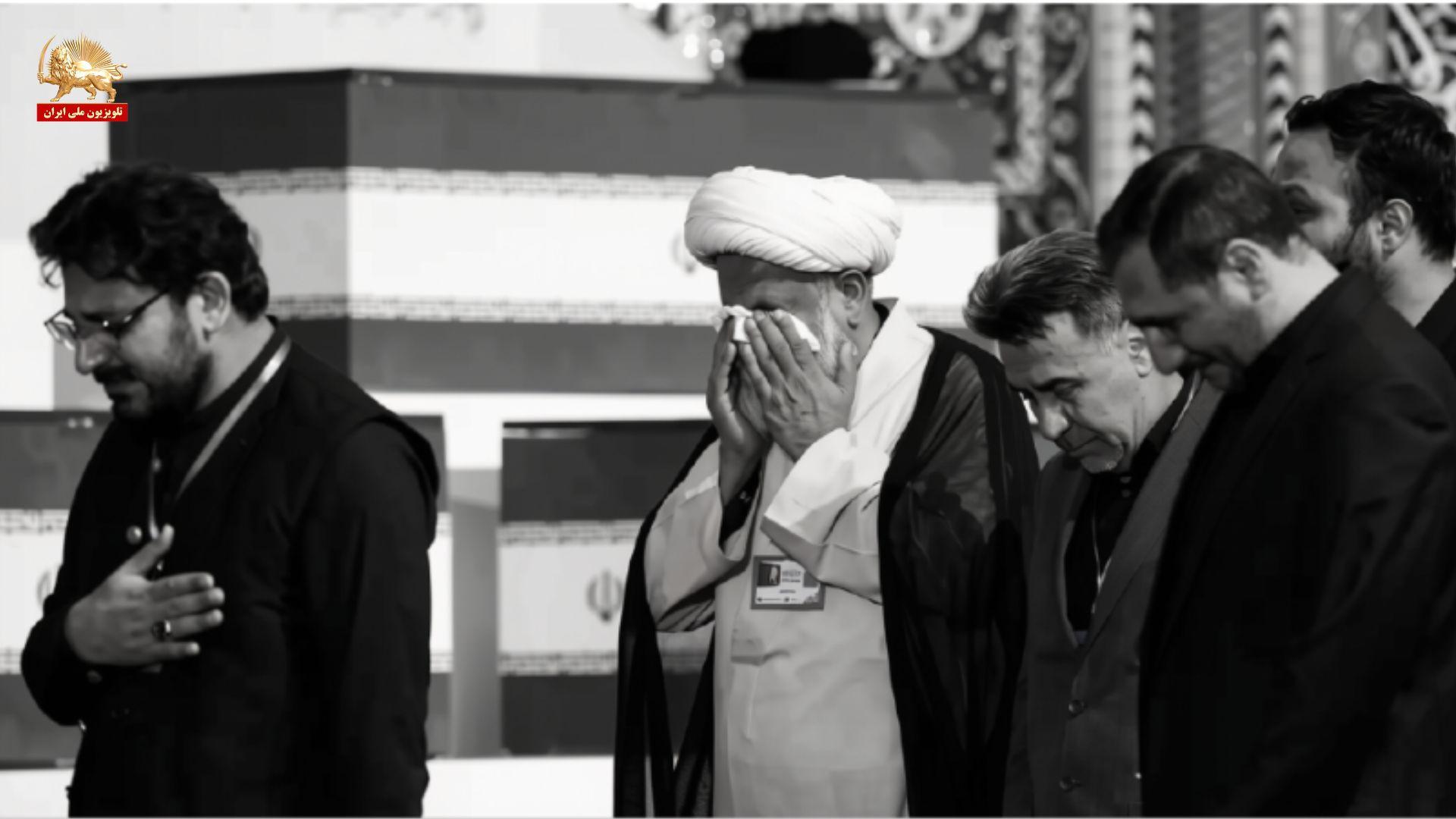
Iran Holds Ayatollah Ali Khamenei Funeral in Tehran as China, Belarus, Iraq Arrive
28 sources compared