
United States and Israel wage war in Iran, triggering global geoeconomic firestorm
Key Takeaways
- Economic consequences are sharpening as the conflict enters its third week.
- Fallout expands beyond the Middle East and ripples through the global economy.
- Markets and supply chains are reshaped by drones and missiles over the Gulf.
Oil Market Shock
The Iran conflict has triggered a significant global geoeconomic crisis with profound impacts on international oil markets and economic growth.
“By experts and staff - Published Experts The economic consequences of the U”
The United States faces substantial economic consequences despite producing nearly as much oil as it consumes, with higher oil prices creating a direct drag on household consumption and economic output.
A $10 per barrel increase in oil prices leads to approximately a one tenth of a point slowdown in US GDP growth, while the actual transfer from consumers to producers amounts to about a quarter point of GDP reduction.
The sustained $30 per barrel price increase since the conflict's onset would theoretically result in a three tenths of a point growth slowdown, though experts suggest this estimate may be conservative and the actual reduction could approach half a point of GDP if oil prices remain above $100 per barrel for extended periods.
Food Security Crisis
The conflict has severely disrupted global food security as the Gulf region's critical role in food and fertilizer supply chains faces unprecedented challenges.
The normally bustling Gulf serves as a vital channel for food and agriculture fertilizers, but with the Strait of Hormuz essentially shuttered and the war at risk of expanding, these states can no longer fulfill their crucial role in global food markets.
Regional countries are extremely vulnerable to food shocks, being almost entirely import-dependent for key staples: 77 percent for rice, 89 percent for corn, 95 percent for soybeans, and 91 percent for vegetable oils.
Supply chain disruptions are quickly translating into dramatic price increases, with Iran experiencing over 40 percent food price inflation, rice prices increasing sevenfold, and green lentils and vegetable oil prices both jumping threefold.
Tech Infrastructure Risks
The conflict has exposed critical vulnerabilities in global technology infrastructure as Iranian drone strikes target commercial data centers, marking a dangerous precedent in modern warfare.
“By experts and staff - Published Experts The economic consequences of the U”
Iranian attacks have damaged Amazon facilities in both the United Arab Emirates and Bahrain, causing widespread digital service disruptions including to banking systems.
These attacks represent the first instance of any military deliberately targeting commercial data centers, which are dual-use assets of extreme strategic and economic value.
This development undermines plans to concentrate artificial intelligence infrastructure in one of the world's most volatile regions, as data centers have become the lifeblood of the twenty-first century economy—particularly those containing supercomputers necessary for developing advanced AI models.
Gulf governments, especially the UAE, recognize this strategic vulnerability as they invest heavily in AI infrastructure to build their post-oil economies.
Geopolitical Shifts
The conflict is accelerating a major geopolitical realignment as new overland transport corridors emerge, putting Russia, Syria, and Turkey in positions of strategic control over vital global supplies.
Traditional Gulf trade routes through the Red Sea have been severely disrupted due to attacks by Iran-aligned Houthi rebels, forcing a fundamental reconfiguration of global supply chains.
With the Strait of Hormuz essentially shuttered and shipping activity disrupted, countries are increasingly reliant on alternative land-based routes.
This shift represents a significant power redistribution, as the new corridors place Russia, Syria, and Turkey in control of critical supply chains that were previously dominated by Gulf states.
The fertilizer market is particularly affected, with about one quarter of global fertilizer production passing through the now-blocked strait, causing price spikes and creating fiscal challenges for agriculture sectors worldwide.
Stagflation Risks
The prolonged conflict carries significant risks of global stagflation as economic disruptions compound across multiple sectors simultaneously.
“By experts and staff - Published Experts The economic consequences of the U”
The confluence of oil price shocks, food security crises, technology infrastructure vulnerabilities, and geopolitical realignments creates conditions reminiscent of the 1970s stagflation era.
The fertilizer market disruption exemplifies this risk, with urea prices rising 19 percent in the Middle East within a single week, threatening agricultural productivity worldwide.
As long as Iranian drones and missiles represent a credible threat to the region, critical infrastructure—including the increasingly vital AI data centers—will remain vulnerable to disruption and destruction.
This multifaceted crisis demands strategic policy responses, particularly regarding U.S. export controls and the location of critical AI infrastructure, to avoid replacing dependency on Middle Eastern oil with dependency on Middle Eastern AI computing power.
More on Iran

Iran Attacks Israeli Towns Dimona and Arad Near Israel's Main Nuclear Research Center, Dozens Wounded
43 sources compared
Iran Attacks Dimona in Retaliation for Natanz Strike
44 sources compared

Iran Attacks Diego Garcia with Long-Range Missiles, Targeting U.S.-UK Base
82 sources compared
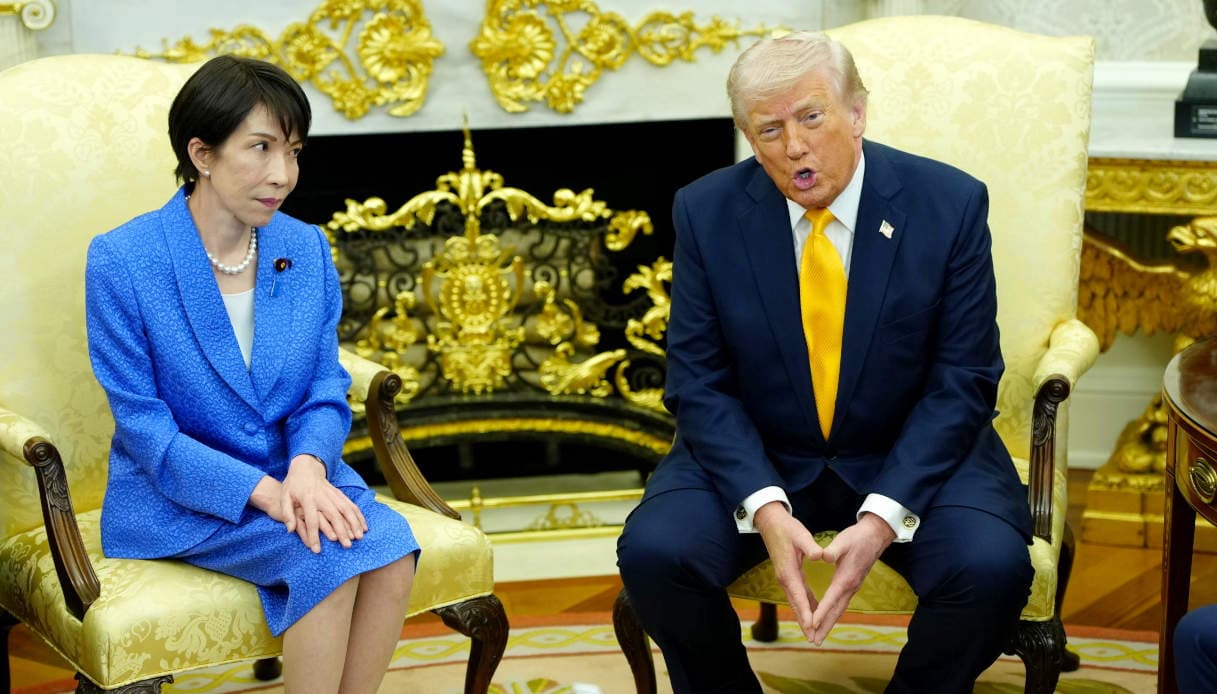
Trump Defends Iran War by Citing Pearl Harbor
12 sources compared