
United States Attacks Iran, Hits Over 8,000 Targets as War Enters Fourth Week
Key Takeaways
- The U.S. has attacked over 8,000 targets in Iran.
- The war is in its fourth week with unclear objectives.
- Iranian internet restrictions during Nowruz hinder communications.
U.S. Military Operations
The United States military has conducted extensive attacks on Iran, striking more than 8,000 targets since the beginning of the conflict.
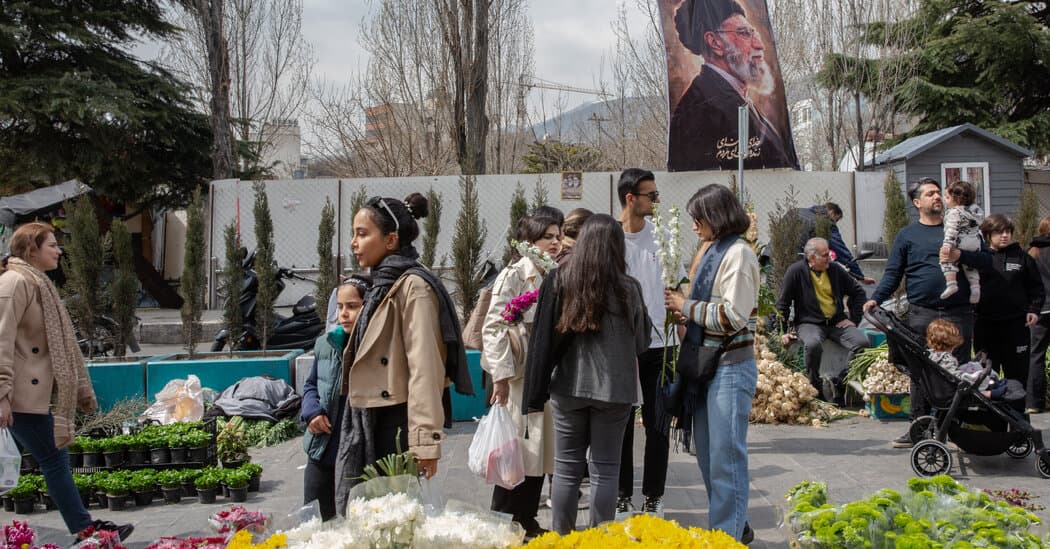
“War in theMiddle East Advertisement Supported by The current restrictions on the internet in Iran are coinciding with Nowruz, the observance of the Persian New Year”
The war has now entered its fourth week with unclear objectives from the Trump administration.
According to Adm. Brad Cooper of Central Command, Iran's fighting capabilities have been 'substantially degraded' with significant damage including the destruction of 130 vessels.
Despite these extensive military operations, there remains 'little clarity about how close the Trump administration was to achieving its goals', suggesting the conflict's strategic direction remains uncertain.
Iranian Response & Impact
Iran has continued military operations despite U.S. attacks, firing missiles and drones at Israel and U.S. allies in the region.
Iran has implemented a de facto blockade of the critical Strait of Hormuz to Western shipping.
Iranian forces targeted a joint British-American base on Diego Garcia, more than 2,000 miles from Iranian territory, though the attempt was unsuccessful.
The ongoing conflict has severely impacted Iranian society with an internet blackout lasting three weeks.
The blackout has prevented millions of Iranians from communicating with family during Nowruz, creating widespread isolation and public anger.
Digital Repression
The internet blackout in Iran has reached unprecedented severity, becoming 'the most severe digital blackout globally' according to Alp Toker, director of NetBlocks.
“War in theMiddle East Advertisement Supported by The current restrictions on the internet in Iran are coinciding with Nowruz, the observance of the Persian New Year”
The blackout has already broken Iran's own record set just weeks ago in January.
The blackout has coincided with Nowruz celebrations, traditionally a time of family connection and renewal.
The blackout has cut off Iran's 90 million-plus people from essential communication and information.
Authorities have intensified crackdown on satellite use and VPNs designed to bypass restrictions.
Foreign Minister Abbas Araghchi defended the measures as 'urgent' taken 'for the sake of war'.
Sanctions Shift
The U.S. Treasury Department relaxed sanctions on Iranian oil on Friday, allowing some supplies currently at sea to be sold.
This unusual sanction relief demonstrates how the administration has been forced by necessity to turn to measures that could benefit its adversary.
The sanction adjustment indicates the complex economic dimensions of the conflict.
The move highlights practical challenges in maintaining total economic pressure on Iran while engaging in extensive military operations.
The sanction relief comes as international observers note growing humanitarian impact on ordinary Iranians.
More on Iran
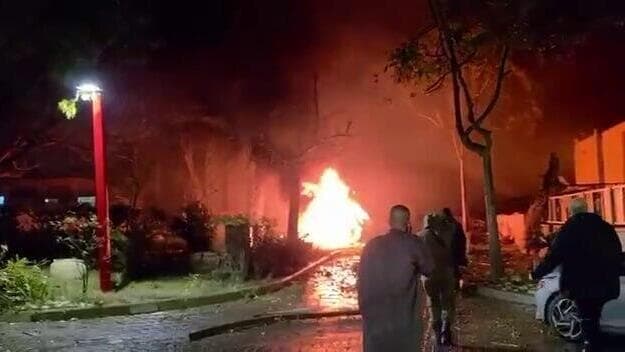
Iran Attacks Israeli Towns Dimona and Arad Near Israel's Main Nuclear Research Center, Dozens Wounded
43 sources compared
Iran Attacks Dimona in Retaliation for Natanz Strike
44 sources compared

Iran Attacks Diego Garcia with Long-Range Missiles, Targeting U.S.-UK Base
82 sources compared
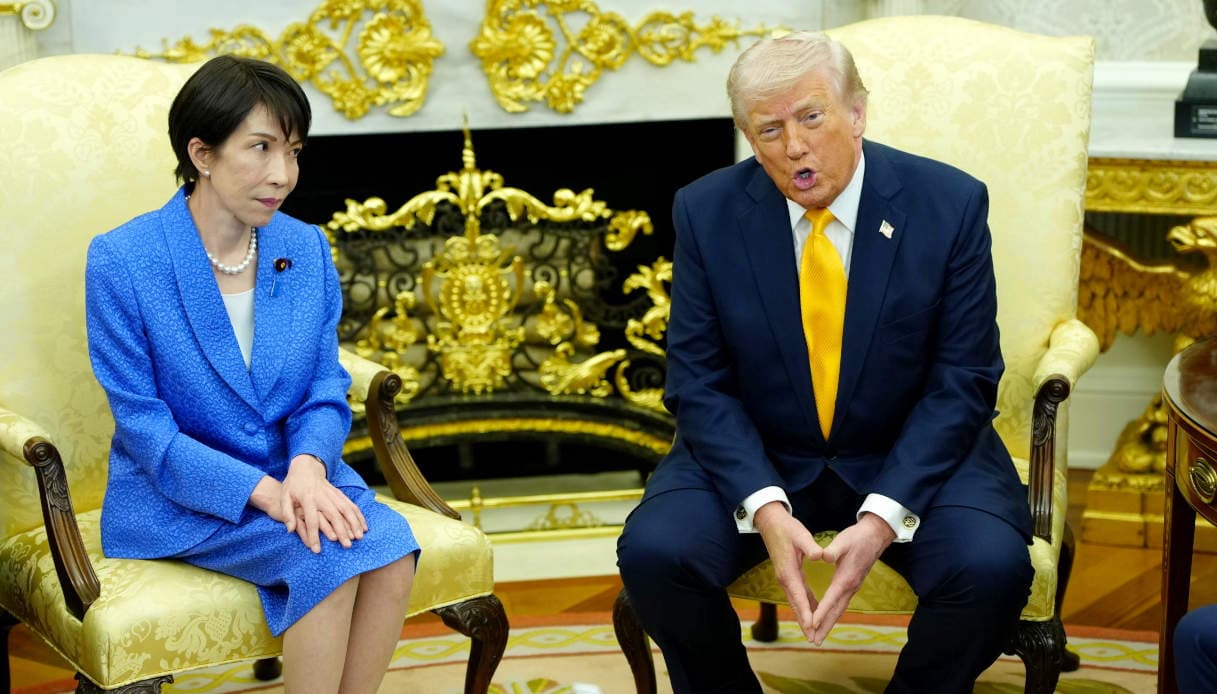
Trump Defends Iran War by Citing Pearl Harbor
12 sources compared