Full story
Jordan talks after strikes
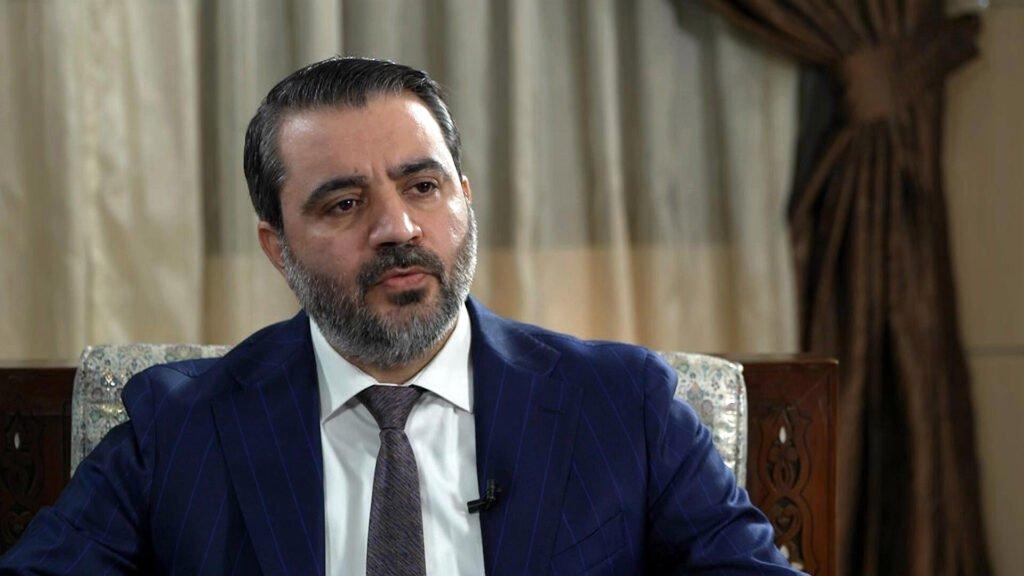
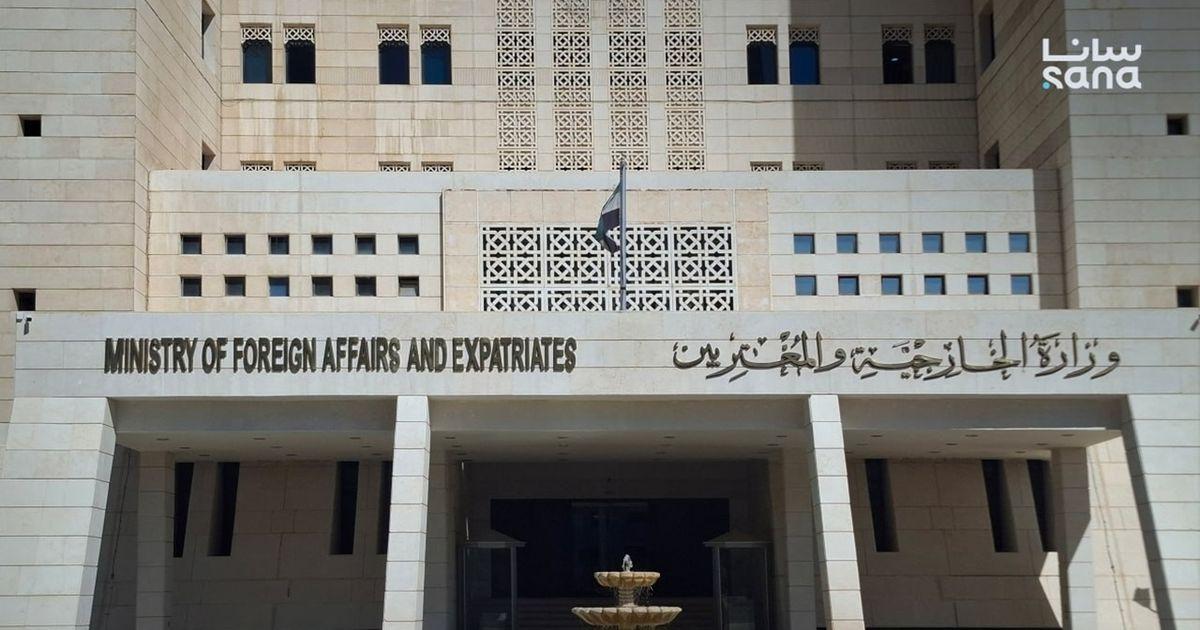
A high-level Syrian delegation headed by Foreign Minister and Expatriates Asaad Hassan al-Shaibani, including the heads of the General Intelligence and Military Intelligence, met a high-level Israeli delegation in Jordan, brokered by the United States as part of efforts to de-escalate tensions after the latest Israeli bombardment of Syrian territory.
“held yesterday (Sunday) a meeting with a high-level Israeli delegation, brokered by the United States and hosted by Jordan”
SANA’s diplomatic source said the discussions focused on practical mechanisms to halt Israeli aggressions and arrests and targeting operations, alongside reviving the negotiation track to reach a security agreement.
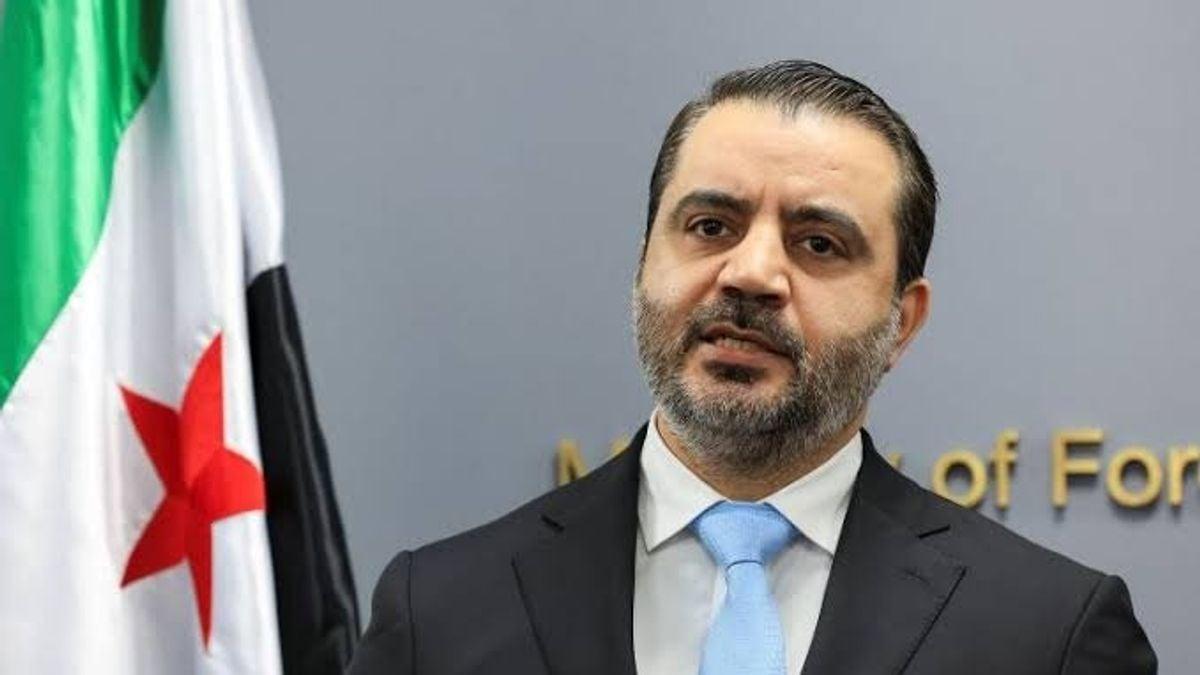
The Syrian side affirmed that Syria is a sovereign state with full right to rebuild and develop its national army and determine its alliances and partnerships, while stressing rejection of any arrangements that would constrain those sovereign rights.
Syria reiterated that the occupied Golan is Syrian land and said the immediate priority is for Israeli forces to withdraw to their pre-December 8, 2024 lines and to resume the 1974 disengagement agreement and implement it in full.
The BBC also framed the meeting as occurring after Israel bombed the Abu al-Duhur air base in northwestern Syria, saying it aimed to prevent Turkish forces from being deployed there, with Ankara denying any Turkish visit to the site.
Syria’s trust gap
In a Reuters interview published by Haaretz, Syrian Foreign Minister Asaad al-Shaibani said, "We believe there should be contact, especially with a party that constantly threatens the security of Syria," but added, "But if this contact doesn't bring results, then we don't need it."
Haaretz reported that Shaibani said negotiations over the security agreement had been frozen since the start of the Iran war, and that contact between Syria and Israel was cut after the airbase strike.
The same Reuters interview, as carried by Dawn, included Shaibani’s warning that, "We do not trust Israel currently," while also saying, "I believe negotiations will resume soon."
Dawn further quoted Shaibani saying Syria’s priority is to halt Israeli attacks and that confidence-building steps were needed before diplomacy can advance, while noting no date had been set.
In parallel, Axios reported that a meeting was held Sunday between Shibaani and Israeli Foreign Intelligence Service (Mossad) head Rimon Gufman, and Israeli Public Broadcasting Corporation reported that Israeli sources called the meeting “positive.”
Security agreement and zones
The sources tied the Jordan talks to a broader push for a security agreement, with SANA’s diplomatic source saying discussions aimed to revive the negotiation track to reach a security agreement that could form the basis for a more comprehensive future agreement.
“We have not seen real will on their part to reach an agreement”
In the Reuters interview carried by BBC, Shaibani said the draft agreement provided for the creation of several security zones inside Syrian territories near the Israeli border, including a buffer zone where only UN forces would be present, and another where Syrian forces would be deployed to varying degrees.
BBC also reported Shaibani’s accusation that Israel was seeking to evade implementing what had been agreed, saying, "We have not seen real will on their part to reach an agreement."
Dawn added that Shaibani said Syria respected Israel’s security concerns but argued Israel must respect those of Syria, including Israel’s use of its airspace, Israeli raids and arrests in the south.
Across the coverage, the stakes were framed as whether the parties could move from de-escalation toward negotiations, with SANA emphasizing that any security arrangements must respect Syria’s sovereignty, territorial integrity, and sovereign rights while the immediate priority remained Israeli withdrawal to the pre-December 8, 2024 lines.