United States Strikes Southern Iran as Iran Accuses U.S. of Ceasefire Violation
Key Takeaways
- U.S. conducts self-defense strikes in southern Iran, targeting missile launch sites and boats near Hormuz.
- Iran says the strikes amount to a grave violation of the ceasefire.
- Doha talks continued toward ending the war, with Iranian delegation and Qatari mediators.
Ceasefire hit in Hormozgan
Iran accused the United States of a “gross violation” of the truce after U.S. strikes in Iran’s southern Hormozgan province, where Iranian media reported sounds of explosions early on Tuesday.
“Despite the latest U”
The Independent reported that the foreign ministry said the strikes represented a “gross violation” of the truce in place for nearly seven weeks, while both sides had earlier indicated progress on a memorandum of understanding that could halt the war and restart shipping through the blockaded Strait of Hormuz.

CBS News said Secretary of State Marco Rubio told reporters that President Trump wanted either to “make a good deal,” or no deal at all, as the ceasefire dispute played out alongside negotiations in Doha.
The Independent also reported that following strikes that U.S. Centcom said included missile launch sites and boats trying to lay mines, Iran claimed it opened fire on a fighter jet and a drone in Iranian airspace and shot down an American MQ-9 drone.
NBC News added that U.S. officials said the strikes were in direct response to what they described as 24 hours of missile, drone and small boat launches carried out by Iran’s Islamic Revolutionary Guard Corps near the Strait of Hormuz, and that the U.S. strikes were “very limited” and “very precise.”
Threats, talks, and blame
Iran’s Foreign Ministry condemned the U.S. attack as a “flagrant violation” of the ceasefire and said it would “leave no act of hostility unanswered,” while NBC News reported that Iran’s Revolutionary Guard vowed to “respond decisively to any violation of the ceasefire.”
In the same dispute over ceasefire compliance, CBS News framed the U.S. action as “self-defense strikes” overnight targeted Iranian forces, while also noting that Rubio said a deal was still possible.

The Independent quoted Iran’s supreme leader Ayatollah Mojtaba Khamenei on his Telegram channel saying, “The clock cannot be turned back, and the nations and lands of the region will no longer be a shield for American bases.”
Al Jazeera reported that the Islamic Revolutionary Guard Corps released a statement claiming it downed a US drone and fired upon an RQ-4 drone and an intruding F-35 fighter jet, reserving the “legitimate and definite” right to retaliate against ceasefire violations.
ABC News said talks toward an initial agreement to end the war continued in Doha on Tuesday, with a high-level Iranian delegation and Qatari mediators meeting in the city while the Trump administration’s negotiators participated from afar.
What’s at risk next
The Guardian reported that Iran’s parliamentary speaker and chief negotiator Mohammad Bagher Ghalibaf remained in Doha for a second day on Tuesday trying to agree the means by which more than $12bn (£9bn) in frozen Iranian assets could be unlocked and sent to an Iranian account.
The Guardian also said a separate 30-day timeframe was allocated for the U.S. to lift the blockade of Iranian oil ports and for Iran to allow commercial shipping through the strait of Hormuz, restoring maritime traffic to levels from before Israel and the US started the war on 28 February.
CNN said disputes over language concerning Iran’s nuclear program and sanctions have held up a deal, and it quoted Marco Rubio telling reporters there are “disagreements over a word, a sentence.”
France 24 reported that Iran’s Foreign Ministry spokesman said Iran is earnestly and in good faith seeking to follow the negotiating track despite “doubts” toward Washington, while also calling for an end to all fighting including in Lebanon and the release of Iranian assets.
Al Jazeera added that the latest attacks came despite a Pakistan-mediated ceasefire in place since April 8, and it said Iran’s Ministry of Foreign Affairs spokesperson Esmaeil Baghaei told reporters that a deal was “not imminent” even after a “large portion” of issues had been resolved.
More on Iran
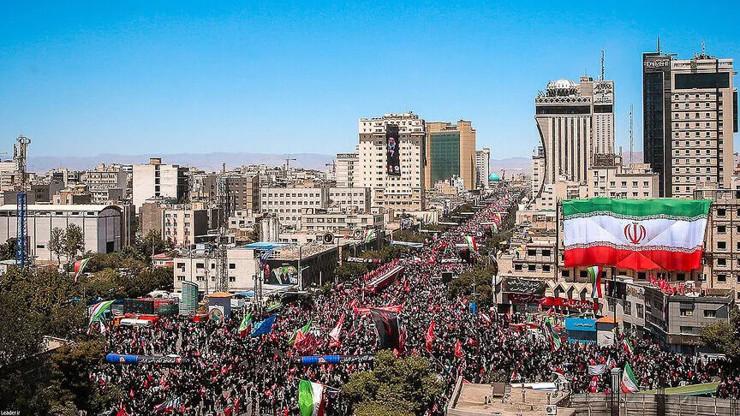
Israeli Strike Kills Ayatollah Ali Khamenei, Buried at Imam Reza Shrine in Mashhad
19 sources compared
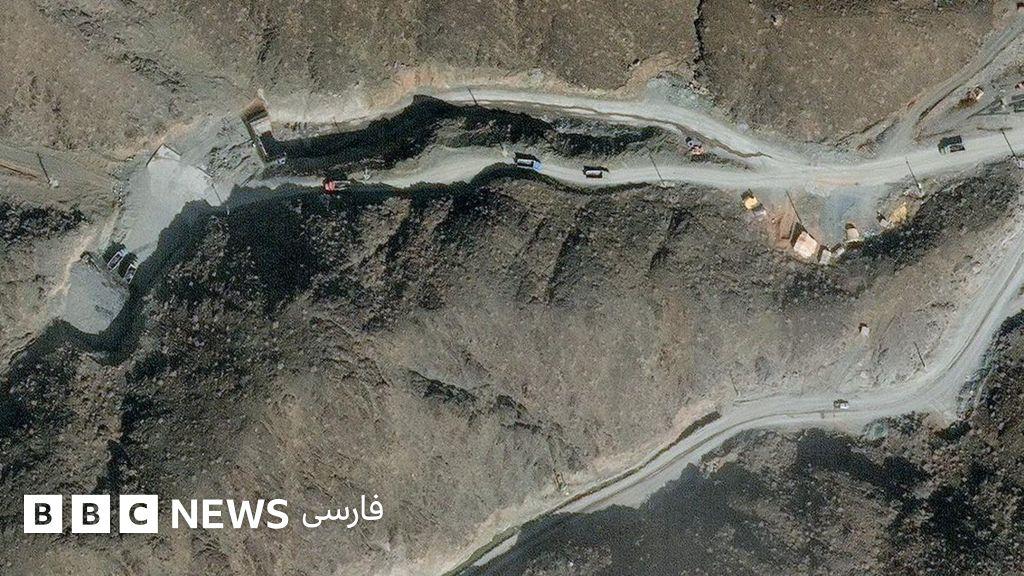
Iran Attempts To Restore Nuclear Sites Damaged In US And Israel Strikes, CNN Satellite Images Show
15 sources compared
Abbas Araghchi and Prince Faisal Bin Farhan Discuss Regional Developments After US Attacks
11 sources compared

Trump Says U.S. Agreed to Continue Iran Talks, Ceasefire Is Over
19 sources compared