Technology and Science25 March, 20263 min read
University of Kentucky chemists convert bourbon stillage into supercapacitors
This article is an automated aggregation of coverage from news outlets. Our editorials offer in-depth analysis curated by the NewsCord team.
University of Kentucky chemists convert bourbon stillage into electrode materials. Electrodes enable supercapacitors with energy storage comparable to or higher than commercial devices.
Bourbon Waste Challenge
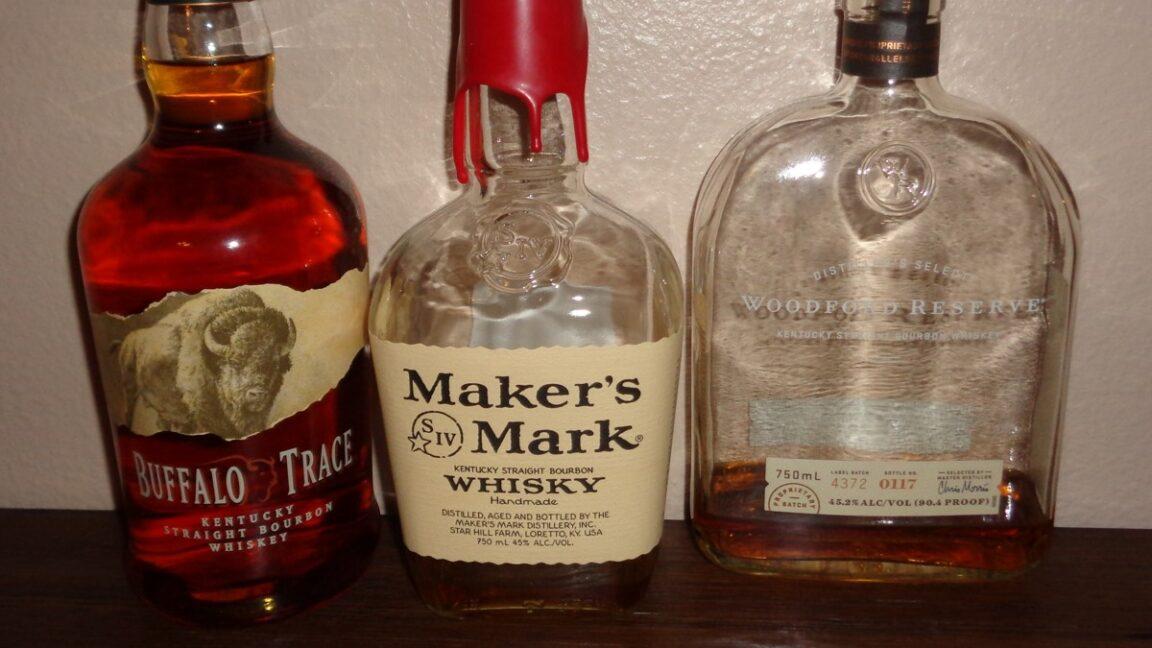
University of Kentucky researchers have developed an innovative solution to address the massive waste problem created by Kentucky's bourbon industry, which produces 95% of the world's bourbon. This industry generates enormous amounts of stillage waste that is 6 to 10 times the volume of bourbon produced, representing a significant environmental challenge. The researchers, led by chemist Marcelo Guzman and graduate student Josiel Barrios Cossio, recognized that abundant stillage could potentially be transformed into valuable materials.
“The state of Kentucky produces 95% of the world's bourbon, and all that bourbon leaves behind an enormous amount of waste grain, called stillage.”
Currently, stillage is sold as low-value livestock feed or soil additives that are expensive to transport and process. The project emerged from Barrios Cossio's research traineeship examining food, energy and water issues in Kentucky, where he first encountered the scale of the American whiskey's waste problem. This initiative represents a promising approach to circular economy principles by converting industrial waste into high-value energy storage components.
Conversion Process
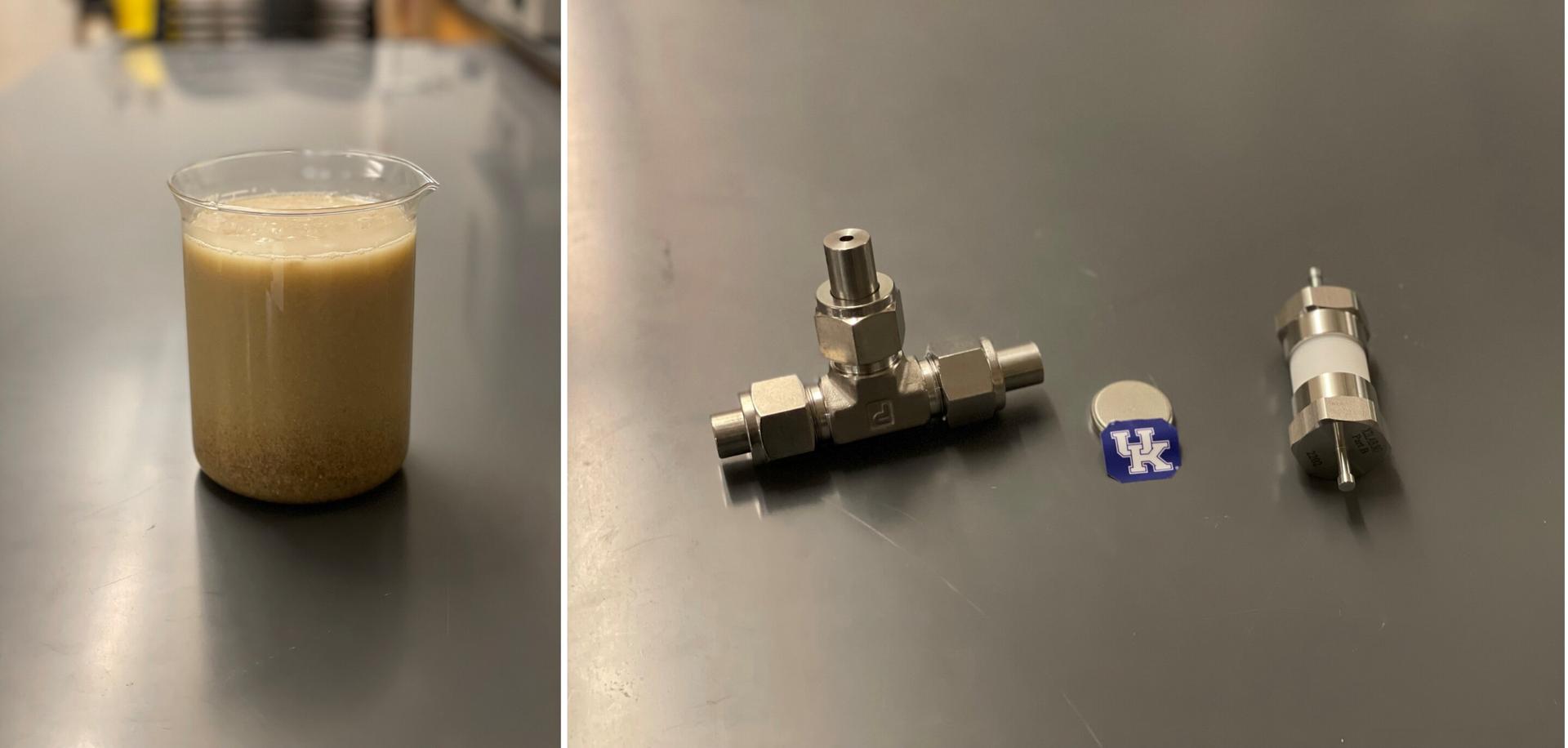
The researchers employed hydrothermal carbonization, a high-intensity pressure cooking technique, to transform watery stillage into valuable carbon materials. This innovative approach treats the disadvantage of the soupy stillage's high water content as an advantage. The bourbon stillage consists of a blend of grains including at least 51% corn as legally required for bourbon production.
The waste was processed in a 10-liter reactor to create a fine black powder through hydrothermal carbonization. The powder was then subjected to different thermal treatments - either heated to 392°F to form hard carbon, or treated with potassium hydroxide at 1,472°F to create activated carbon. The team built relationships with multiple distilleries from Kentucky to Illinois and Canada to obtain their waste materials.
Performance Results
The resulting supercapacitors demonstrated remarkable performance, with activated carbon-based capacitors storing up to 48 watt hours per kilogram. This performance matched that of commercially available supercapacitors. The most significant breakthrough came from hybrid lithium-ion supercapacitors combining activated carbon with hard carbon electrodes.
“In tests, these coin-sized supercapacitors could store up to 48 watt hours per kilogram, which was on par with commercially available ones.”
These hybrid devices were infused with lithium ions and stored up to 25 times the energy per kilogram compared to conventional versions. The researchers noted that hybrid devices are uncommon and not easy to make.
Using a single agricultural waste source for two different electrode types in a single device was particularly noteworthy. The performance positions these stillage-derived devices as promising alternatives for applications requiring both fast discharge and higher energy storage.
Environmental Impact
The research carries significant environmental and economic implications for both the bourbon industry and renewable energy sectors. By transforming waste stillage into valuable energy storage materials, the technology offers a sustainable solution to an environmental problem. This approach creates economic value from what was previously discarded material.
The technology aligns with circular economy principles and could help stabilize electrical grids as more renewable energy sources are incorporated. The researchers are conducting life cycle analysis and economic feasibility evaluations to assess sustainability.

This project represents successful collaboration between academia and industry with relationships built with multiple distilleries. The team partnered with Andrea Balducci's group at Friedrich Schiller University Jena, Germany, to address real-world industrial problems.
Future Research
Looking ahead, the University of Kentucky research team has outlined several key next steps to advance their bourbon-derived supercapacitor technology.
“The researchers' next steps are to study the energy storage mechanisms of their stillage-derived supercapacitors to optimize them for commercialization.”
Their immediate focus includes studying the energy storage mechanisms to optimize performance and understand the fundamental science.
The researchers aim to develop larger versions of these energy storage devices to demonstrate scalability.
The project has been funded by the U.S. National Science Foundation and the University of Kentucky.
This represents a successful case of academic research addressing industrial challenges while contributing to sustainable energy solutions.
The researchers' approach of engaging directly with distillery owners has proven effective in establishing industry-academic partnerships.
These partnerships could pave the way for future commercial implementation of this innovative waste-to-energy technology.