USA02 September, 20262 min read
US Accused Of Meddling In Brazil’s Elections As Lula Faces Flávio Bolsonaro
This article is an automated aggregation of coverage from news outlets. Our editorials offer in-depth analysis curated by the NewsCord team.
Trump claims U.S. influence shifted Latin America to the right. He states a good Brazil relationship without naming Lula.

5 outlets told this the same way.
Tariffs, visas, and claims
The Guardian reports that the US government has been accused of meddling in Brazil’s elections as October’s vote approaches, with the Kennedy administration’s 1962-era covert efforts cited as an echo of the present. The Guardian says polls will pit Luiz Inácio Lula da Silva against far-right senator Flávio Bolsonaro, and it adds that the US measures include imposing 25% tariffs on most Brazilian imports and designating Rio’s Red Command and São Paulo’s First Command of the Capital as foreign terrorist organisations.
In July, the Guardian reports that Lula said two Trump officials had been denied entry visas because they planned “to meddle in Brazil’s elections”. The Guardian also quotes a Department of State statement rejecting the allegation, saying: “Any insinuation of a ‘ploy’ to undermine a democratic nation’s election is a baseless lie.”
Trump’s public boasting
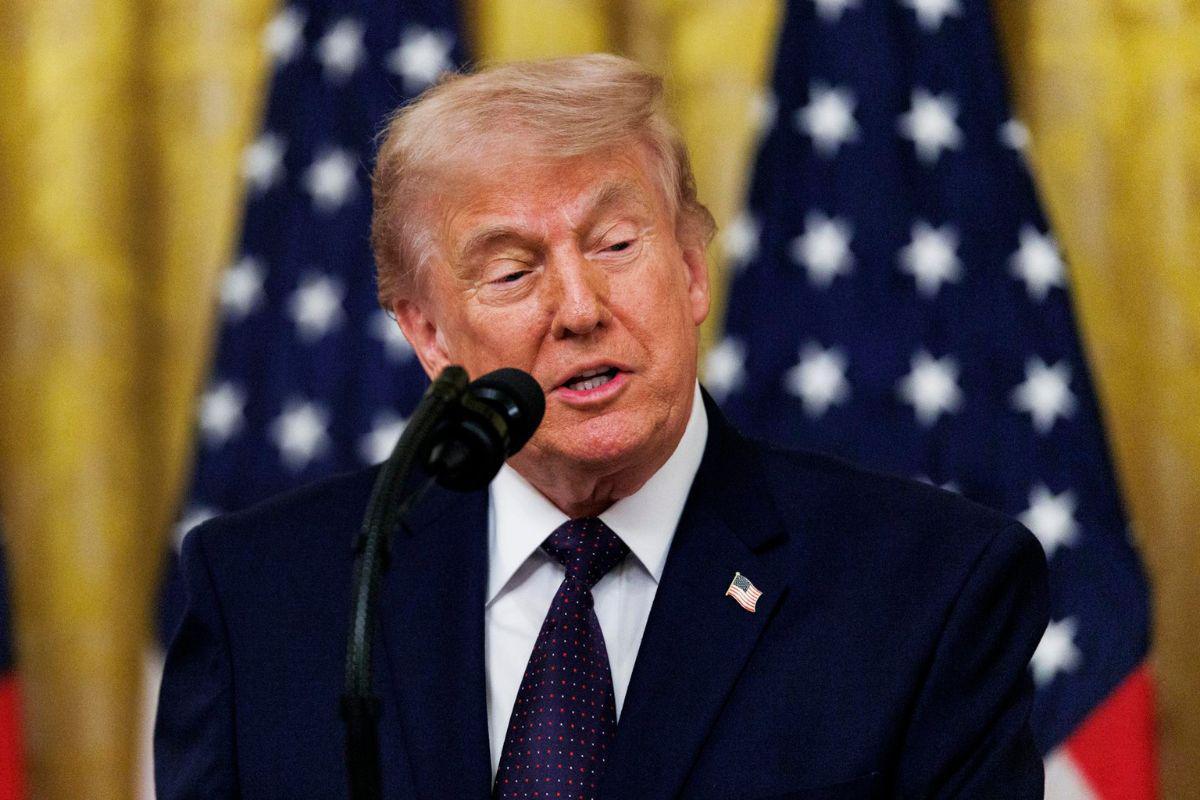
La Silla Rota reports that Donald Trump took credit for electoral victories of the right in Latin America and told reporters from the Oval Office, “They have moved from left to right. Everyone is moving to the right,” while insisting Washington is “doing very well in South America, in Latin America.”
The same article says Trump pointed to Colombia as an example, recalling that he publicly backed ultrarightist Abelardo de la Espriella, who replaced Gustavo Petro, and it adds that Trump highlighted that De la Espriella “was not the favorite” when he decided to support him.
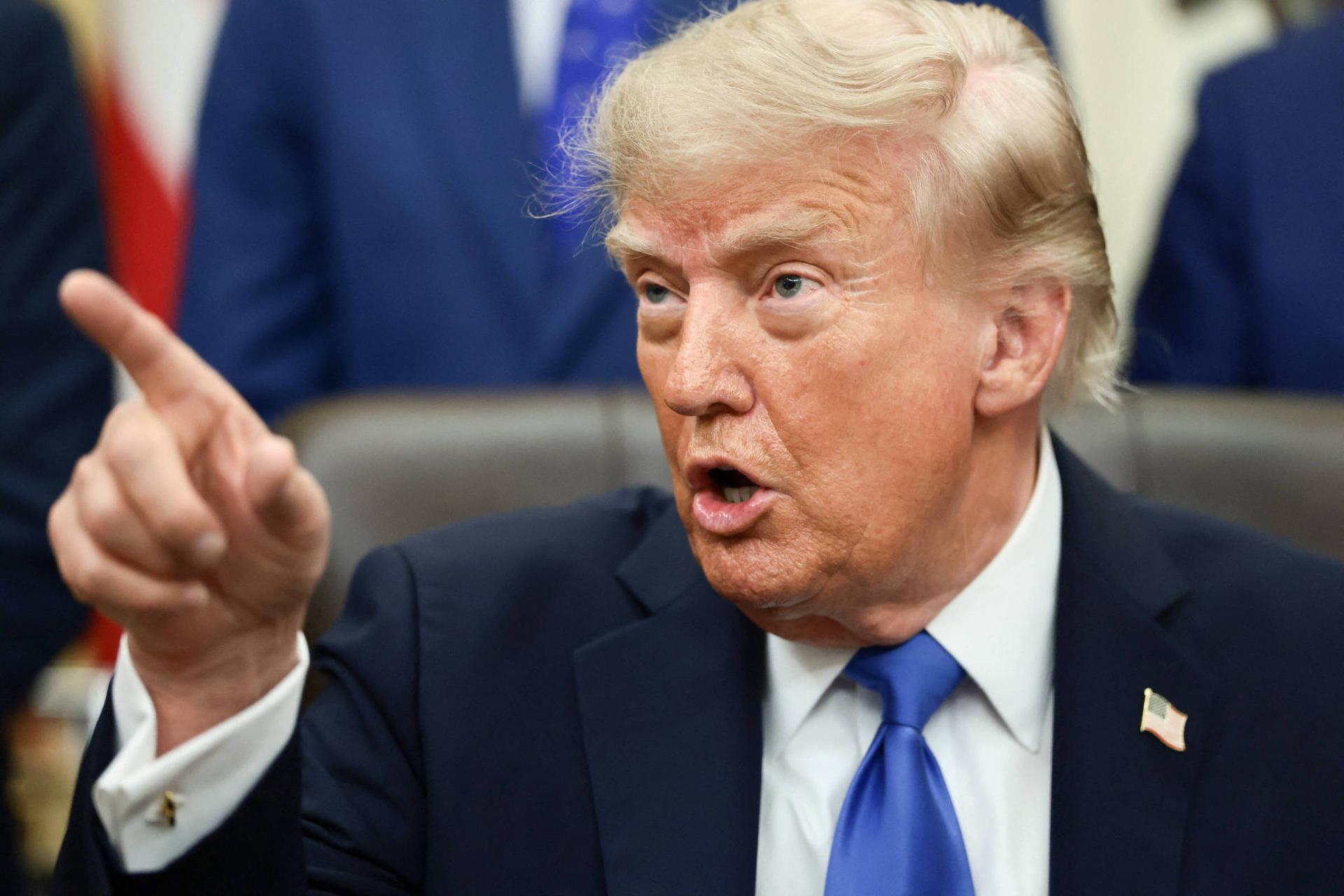
La Silla Rota also links Trump’s claims to security cooperation, saying Colombia joined the Americas Shield, a Washington-initiated coalition to bolster regional cooperation against cartels.
In Brazil, La Silla Rota says Trump maintained “a good relationship” with Luiz Inácio Lula da Silva despite differences, while October’s election will again test that balance against Flávio Bolsonaro, described as a political ally of Trump.
Cold-war parallels and stakes
The Guardian frames the dispute over US influence by pointing to 1962 and the CIA and the Department of State secretly channeling “millions of dollars” to opposition candidates and a group tasked with spreading rightwing propaganda and stirring up unrest. The Guardian quotes political scientist Celso Rocha de Barros saying, “The greatest superpower in human history is explicitly backing a candidate in our election and is strangling the Brazilian economy in order to help him [win],” and it adds that he called the issue the election’s most urgent theme.
It also reports that historians Lilia Schwarcz and Heloisa Starling argued in Brazil: A Biography that the objective in the early 1960s was “strategic: to create a strong opposition in congress, block government initiatives and prepare the way for a coup d’état.” Against that backdrop, the Guardian says the Department of State rejected the claims, while the political debate now centers on whether US actions—tariffs, visa decisions, and designations—are intended to shape the outcome of Lula’s contest with Flávio Bolsonaro.