China14 October, 20253 min read
US and China Escalate Trade War by Imposing New Port Fees on Each Other’s Ships
The US and China began charging reciprocal port fees on each other's vessels starting Tuesday. China exempts Chinese-built ships from fees but targets US-owned, operated, built, or flagged vessels.

21 outlets told this the same way.
US-China Maritime Trade Dispute
The United States and China have extended their trade war into maritime shipping by imposing new port fees on each other’s vessels. The U.S. is charging fees on Chinese-owned, operated, built, or flagged ships to support its domestic shipbuilding industry and reduce China’s dominance. China retaliated by levying charges on U.S.-owned, operated, built, or flagged vessels, starting at 400 yuan ($56) per net ton and rising to 1,120 yuan by 2028.
“The ongoing trade conflict between the United States and China has expanded to maritime shipping, with both countries imposing new port fees on each other's vessels starting October 14.”
China’s fees include exemptions for Chinese-built ships and empty vessels entering for repairs. Several reports place the rollout of these fees in mid-October, described as effective Tuesday.
Both sides frame their measures as defensive: Washington aims to bolster shipbuilders, while Beijing seeks to protect against what it calls discriminatory U.S. actions. Despite the escalation, some sources note there is room for dialogue, including a potential late-October meeting between Trump and Xi aimed at easing tensions.
Impact of New Shipping Levies
Analysts warn the new levies could distort global freight flows and add significant costs—millions of dollars per trip and billions across routes—while carriers reconfigure networks. Estimates suggest China’s state-owned COSCO could shoulder nearly half of a $3.2 billion cost impact by 2026. Major Western carriers like Maersk and CMA CGM have already reduced exposure on U.S. routes.
Some reports even cite immediate disruptions, including a 35% drop in scheduled arrivals at the Port of Los Angeles and pressure on shipping stocks. These developments underscore fears of higher freight rates and inflationary pass-throughs.

US-China Trade and Tariff Tensions
The maritime tit-for-tat is unfolding amid broader trade pressures between the US and China.
“Alongside these measures, China also announced tighter controls on rare earth exports.”
Beijing has tightened export controls on rare earths.
Washington has imposed new tariffs on timber, kitchen cabinets, and upholstered furniture.
Former President Trump threatened further tariff increases.
Reports differ on the scale and timing of these tariffs, with some citing threats to double, triple, or raise tariffs to 100%.
Another report states that Trump's campaign pledge for 60% tariffs is now set to take effect in 2025.
Officials on both sides have signaled possible talks to calm markets.
U.S. Treasury Secretary Scott Bessent indicated a potential late-October meeting between Trump and Xi in South Korea.
Beijing and U.S. Shipping Fees
Beijing’s measure is highly structured operationally. Reports say it applies at the first Chinese port of entry per voyage or for the first five voyages annually. It follows an annual billing cycle starting April 17.
The measure exempts Chinese-built ships and empty vessels entering for repairs. Shipowners must report vessel details before arrival and pay the fees or risk suspension of import/export procedures. U.S. charges were introduced earlier to curb China’s dominance and support domestic shipbuilding.

These U.S. charges target ships linked to China. Beijing labels the U.S. moves as “discriminatory” and a breach of a maritime transport agreement. This mirrors Washington’s framing that its fees defend U.S. industry.
Impact of US-China Maritime Dispute
The fallout is rippling through industry and markets. China sanctioned five U.S.-linked subsidiaries of South Korea’s Hanwha Ocean over cooperation with U.S. investigations. Despite the sanctions, Hanwha’s entities won work to build a U.S.-flagged LNG carrier.
“In response, China sanctioned five U.S.-linked subsidiaries of South Korean shipbuilder Hanwha Ocean for cooperating with U.S. trade investigations.”
Hanwha Ocean’s shares fell nearly 6% on related announcements. Beijing also launched a probe into the impact of a U.S. investigation on its shipping and shipbuilding sectors.
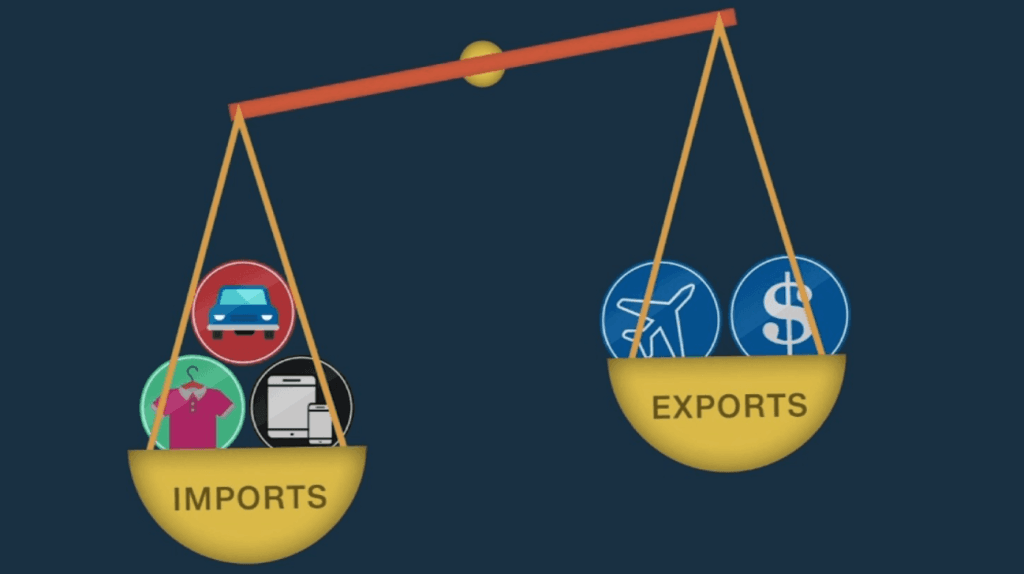
While some market coverage points to easing fears on certain days, others warn the maritime dispute could inflate costs and disrupt supply chains. Officials are still considering late-October talks to prevent further escalation.