
U.S. and Israel Strike Iranian Missile Tunnels to Block Launchers
Key Takeaways
- U.S. and Israel reportedly carried out strikes against Iran.
- Strikes targeted Iran's missile infrastructure to hinder launches.
- The reporting frames it as part of a broader campaign.
Coordinated Military Action
The United States and Israel have conducted coordinated strikes targeting Iranian underground missile facilities.
“Israel’s defense minister threatened on Saturday that “the intensity of the attacks” by Israel and the United States against Iran’s ruling theocracy will “increase significantly” as the war in the Middle East entered its fourth week”
Specifically, they bombed entrances to disable missile launchers and prevent their use.

This was confirmed by a CNN review of satellite imagery.
The military action represents a significant escalation in the ongoing conflict between Israel and Iran.
US involvement directly supports Israeli efforts to neutralize Iranian military capabilities.
The strikes specifically targeted underground facilities housing missile launchers.
This demonstrates a sophisticated approach to disabling Iran's asymmetric warfare capabilities.
The strategy also aims to minimize potential civilian casualties.
Iran's Enhanced Capabilities
Iran has significantly escalated its missile capabilities during this conflict.
Evidence suggests Tehran can now send missiles much farther than previously acknowledged.
The distance of recent attacks indicates Iran has developed enhanced military technology.
This extends Iran's regional strike capabilities.
The technological advancement has alarmed Israeli and US military planners.
This prompted targeted strikes on underground facilities housing advanced missile systems.
The development represents a major shift in the regional military balance.
It threatens Israel's strategic advantage in the region.
Conflict Casualties and Targets
The Israeli military has framed its actions as defensive measures against Iranian aggression.
“Israel’s defense minister threatened on Saturday that “the intensity of the attacks” by Israel and the United States against Iran’s ruling theocracy will “increase significantly” as the war in the Middle East entered its fourth week”
Israeli officials state that Iran is targeting Israel's nuclear program.
This includes specific attacks on facilities near Dimona, Israel's nuclear research center.
Dozens were injured in Iranian strikes on these facilities.
The conflict has resulted in significant casualties on both sides.
The death toll in Lebanon from the war with Israel reaches 1,024 people.
Israel has also suffered casualties from Iranian missile attacks.
Several people were injured from missiles targeting Israeli territory.
US Strategic Position
The United States has maintained a complex stance on the conflict.
It simultaneously supports Israeli military operations while managing broader regional implications.
The Pentagon has declined to comment on specific operations like the Natanz attack.
US involvement in strikes targeting Iranian missile facilities is clear.
The Biden administration faces pressure from lawmakers to develop a comprehensive Iran strategy.
Mixed messages about sanctions and troop levels have created uncertainty.
The UK has clarified that its base in Cyprus will not be used to strike Iran.
This demonstrates efforts to limit the conflict's expansion.
Economic Impact
The conflict has had significant economic repercussions.
“Israel’s defense minister threatened on Saturday that “the intensity of the attacks” by Israel and the United States against Iran’s ruling theocracy will “increase significantly” as the war in the Middle East entered its fourth week”
It particularly affects global supply chains and energy markets.
Iran's war has halted Qatar helium output.
This threatens global tech supply chains depending on this critical resource.
The economic dimension adds complexity to the military confrontation.
Both the US and Iran engage in strategic maneuvering over oil sanctions.
Iran insists there is no crude oil stranded at sea for US sanctions relief.
Analysts remain divided over whether lifting Iranian oil sanctions would lower prices.
More on Iran
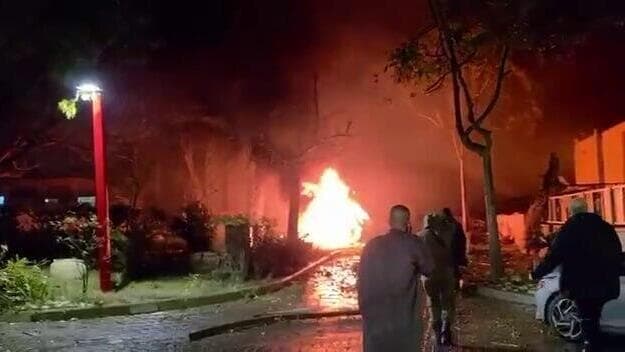
Iran Attacks Israeli Towns Dimona and Arad Near Israel's Main Nuclear Research Center, Dozens Wounded
43 sources compared
Iran Attacks Dimona in Retaliation for Natanz Strike
44 sources compared

Iran Attacks Diego Garcia with Long-Range Missiles, Targeting U.S.-UK Base
82 sources compared
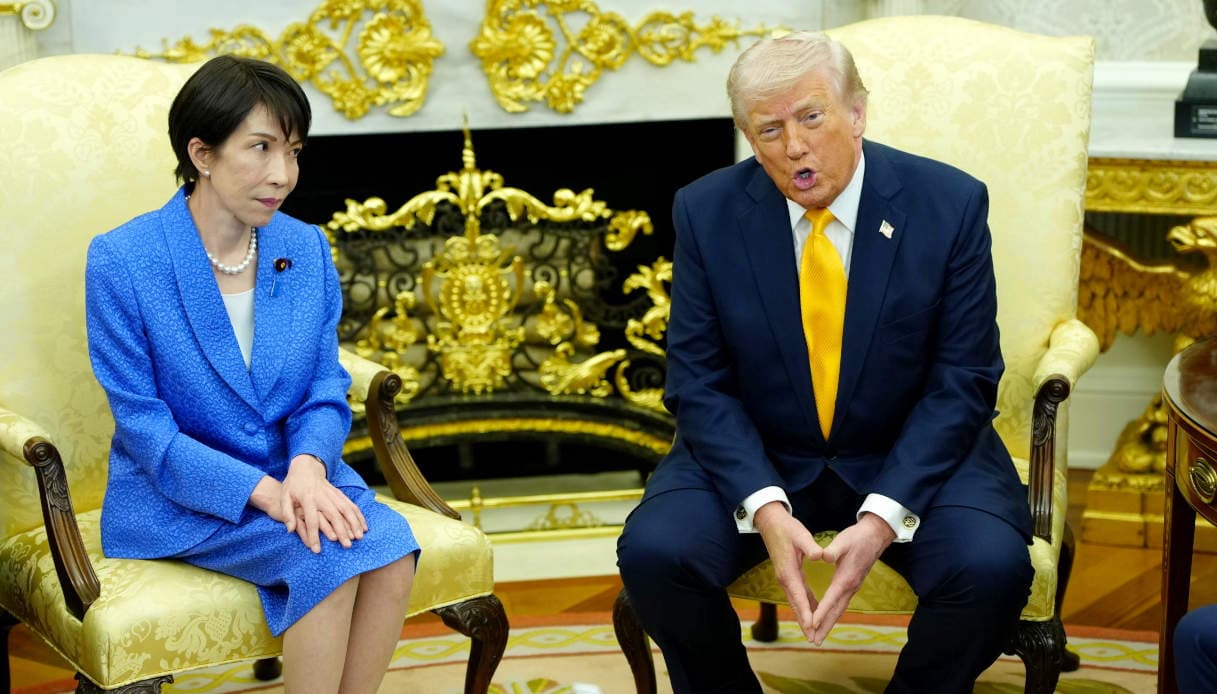
Trump Defends Iran War by Citing Pearl Harbor
12 sources compared