USA01 September, 20263 min read
US Army Shoots Down Three Drones With 20-Kilowatt Laser Near Texas Rio Grande Valley
This article is an automated aggregation of coverage from news outlets. Our editorials offer in-depth analysis curated by the NewsCord team.
Three drones were shot down near the Rio Grande Valley with a 20-kW laser. Officials said the drones posed a threat to US personnel and CBP partners.

8 outlets told this the same way.
Outlets did split on White House Officials Question How Long Katie Zacharia Will Stay Press Secretary After First Briefing →
Laser downs three drones
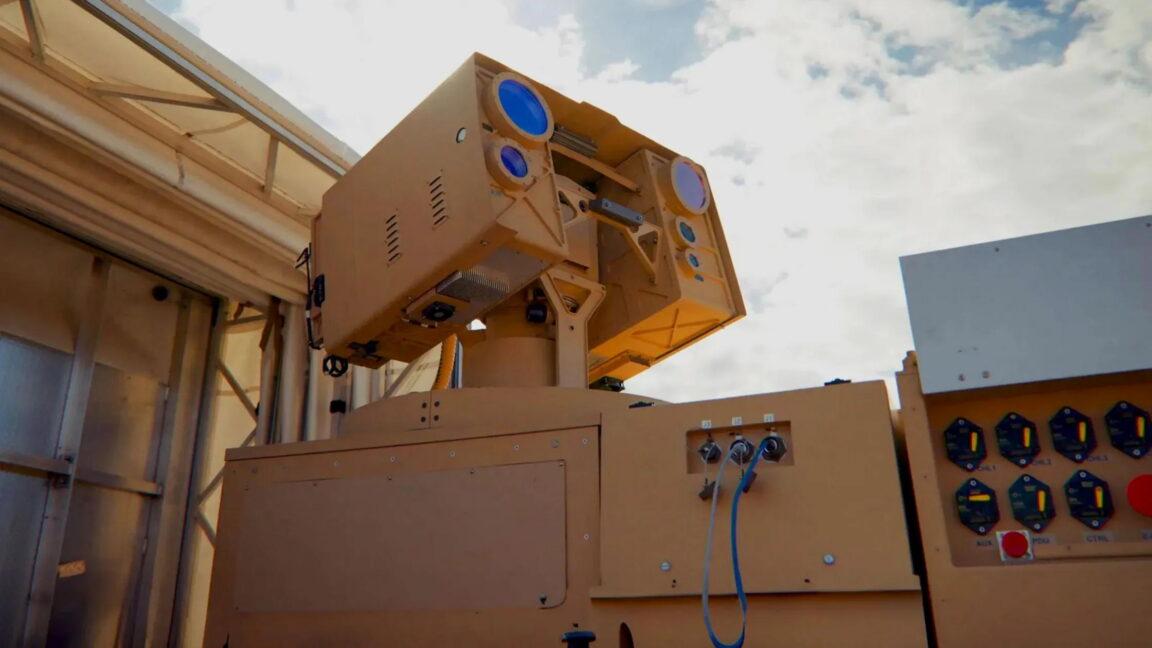
The US Army used a high-energy multipurpose laser to shoot down three drones near the US-Mexico border, with the operation taking place between the night of August 25 and the early morning of August 26 in the vicinity of the Rio Grande Valley in Texas. The report says the drones were “posing a physical threat to US military personnel and CBP partners,” referring to Customs and Border Patrol, and the operation was led by the Joint Task Force Southern Border (JTF-SB), which operates under US Northern Command. Authorities said agents used technology derived from the Army’s High-Energy Multipurpose Laser (AMP-HEL) system, and the operation relied on the Locust Laser Weapon System operating at 20 kilowatts.
The Ars Technica account describes the Locust system as designed to be mounted on military vehicles and says it can detect, track, illuminate, damage, or destroy targets at a distance using an extremely concentrated beam of light. The same account says the beam’s power is increased by an additional electrical energy charge that converts the light into heat to damage or disable the drone, depending on factors such as distance and exposure time.

Cartel framing and commanders
La Razón frames the same kind of border laser intercept as targeting drones “belonging to drug cartels,” saying the Joint Southern Border Task Force used the Army’s high-energy laser system to intercept three hostile unmanned aerial vehicles deemed a threat. In that account, Army Lieutenant General Curtis Taylor, commander of the Joint Southern Border Force, said: "The successful neutralization of these adversary drones is tangible proof of the joint force’s preparedness, vigilance, and technological edge," and added that the force would not tolerate hostile surveillance.
Ars Technica instead reports that official reports claimed the drones were posing a physical threat to US military personnel and CBP partners, and it places the operation in the vicinity of the Rio Grande Valley in Texas. La Razón also says the Department of War will acquire hundreds of thousands of drones next year and counter-drone technology, including directed-energy systems, and it quotes a Department of War official saying: "The department is deploying directed-energy technology to protect the homeland and the southern border."
Procurement and broader directed-energy
La Razón says the Department of War awarded two contracts in July under the Joint Laser Weapon System program, with an initial value of $86 million and a program budget ceiling of $847 million. It adds that the Joint Laser Weapon System program aims to transform directed-energy capabilities from demonstration prototypes to field-ready, battle-tested platforms, and it describes directed-energy weapons like lasers as destroying incoming drones and cruise missiles at a much lower cost than kinetic weapons.
The same article quotes a Department of War official saying directed-energy systems have a “low cost per shot” and “high-capacity magazines,” and it argues that it is “better than firing a $2 million missile at a cheap drone.” Separately, Ars Technica ties the border laser use to the Army’s AMP-HEL effort and says the initiative began in September 2025 when AeroVironment delivered the first two functional prototypes, with two new improved systems delivered in December as the program expanded.