Full story
MoU fractures as strikes resume
Iran’s chief ceasefire negotiator said there was no reason to commit to the US memorandum of understanding if it brought no benefit for Iran, as the dispute over the Strait of Hormuz intensified.
“August 7, 2026 Share this article The U”
The Jerusalem Post’s live updates also said US CENTCOM redirected vessels attempting to breach Hormuz blockade, while the same coverage noted that IDF may begin withdrawal within days after Israel-Lebanon talks in Rome end.

Xinhua reported that U.S. President Donald Trump formally notified Congress in a letter dated Friday that military operations against Iran had resumed, and that the notification starts a new 60-day period for operations without congressional approval.
In the same Xinhua explainer, Trump said on Truth Social that the United States was "reinstating the Iranian blockade" and proposed charging a 20 percent fee on cargo transiting the Strait of Hormuz, while Iranian Foreign Ministry spokesman Esmaeil Baghaei said the MoU had entered a "crisis phase" because Washington had continuously violated its obligations.
Ghalibaf rejects commitments
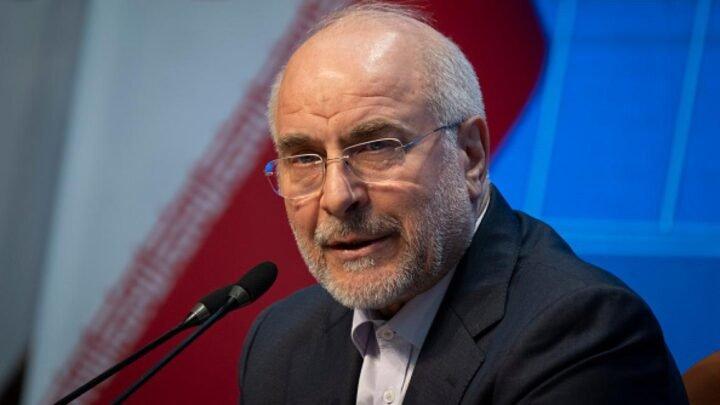
Mohammad Bagher Ghalibaf, the chief Iranian negotiator and speaker of the Iranian Parliament, said the memorandum was a defeat for Washington and told Iran’s state television that "This agreement is a defeat for the United States. People will read it and judge for themselves."
In the same account, Ghalibaf confirmed that Iran intends to impose fees on ships passing through the Strait of Hormuz after a 60-day fee-free period specified in the memorandum, adding that "The Strait will not return to what it was before the war."
PressTV reported that Ghalibaf warned that if the Islamic Republic is not to benefit from the Islamabad Memorandum of Understanding with the United States, then there is no reason Tehran would adhere to it, and he stressed that Iran’s armed forces have full freedom of action to confront any enemy aggression.
The PressTV report also quoted Ghalibaf saying, "We have never welcomed war and never will, but we must always be ready for battle and stand firm to protect our security and national interests," as it described the MoU as part of a broader resistance strategy.
Hormuz governance and next moves
The People’s Daily Online explainer said the Strait of Hormuz remained the main flashpoint, with Iran’s IRGC announcing early Sunday that the Strait would remain closed "until further notice" and until "the end of U.S. interference in this region."
“Iran’s Parliament Speaker Mohammad Baqer Qalibaf has warned that if the Islamic Republic is not to benefit from the Islamabad Memorandum of Understanding (MoU) with the United States, then there is no reason Tehran would adhere to it”
That same explainer said the U.S.-led Joint Maritime Information Center and the U.S. Naval Forces Central Command said the southern route remains operational despite Iranian claims, adding that "U.S. forces are prepared to maintain freedom of navigation and safeguard lawful commerce."
It also reported that on Monday CENTCOM announced it would resume blockading maritime traffic entering and leaving Iranian ports beginning at 4 p.m. ET (2000 GMT) Tuesday, while Baghaei said Sunday that arrangements for the future administration of maritime traffic in the Strait must be made through consultations with Oman.
Finally, the explainer said the MoU’s central provision envisioned lifting the U.S. naval blockade while Iran ensured safe passage for international shipping, and that for now the memorandum had not been formally abandoned even as military operations expanded.