Full story
Indefinite blockade threatened
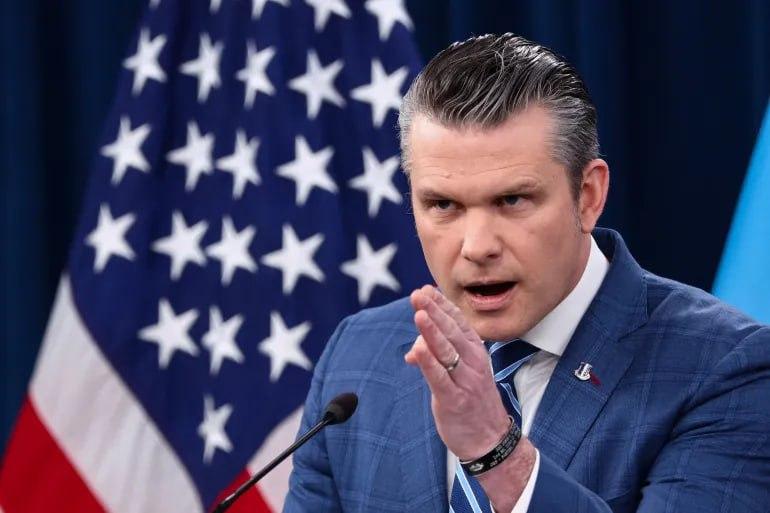
The United States said it can continue a naval blockade of Iran’s ports “as long as required,” with U.S. Defense Secretary Lloyd Austin telling reporters, “America is capable of continuing the blockade of Iran’s ports as long as required.”
““America is capable of continuing the blockade of Iran’s ports as long as required.””
Austin added that the U.S. Navy can maintain “a blockade of this kind for an indefinite period” by rotating ships in and out, as the blockade continues around the Strait of Hormuz.
Iran’s Central Command spokesperson Ibrahim al-Zoghari denied U.S. claims about routine passage through the Strait of Hormuz, calling them “nothing but lies.”
In parallel, Al Jazeera reported that Iran says the Strait of Hormuz will remain restricted unless the U.S. meets a series of demands, while the UAE accuses Tehran of targeting an oil tanker and Yemen’s Houthis claim an attack on a Saudi refinery.
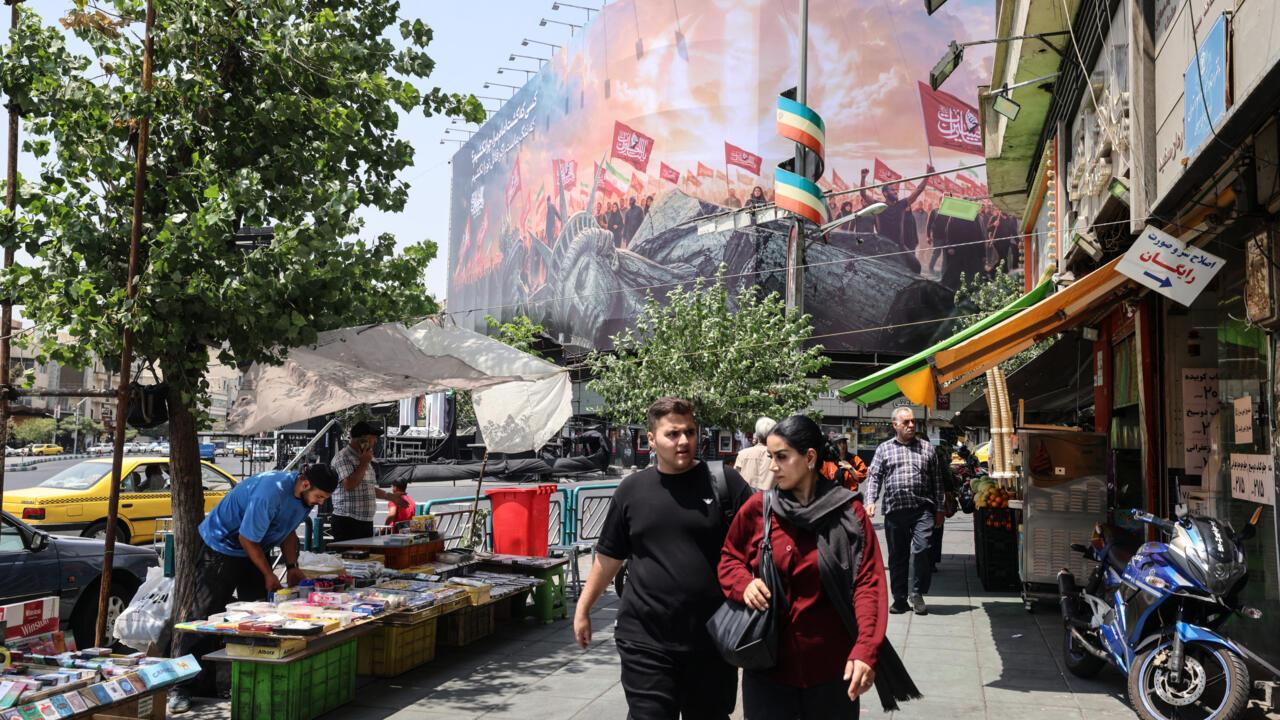
The dispute is framed as a pressure contest, with the U.S. imposing a naval blockade on Iran while Iran says the strait is under its control and administration, according to Al Jazeera’s reporting on the conflict’s escalation in the waterway.
Lawmakers, sailors, and rhetoric
Al Jazeera reported that U.S. lawmakers raised alarm after reports of dire conditions on board the flagship USS Abraham Lincoln, including accounts of sailors trying to jump overboard.
In the same Al Jazeera account, Democratic Senator Richard Blumenthal wrote that the aircraft carrier has now been “continuously at sea for a record length of nearly seven months,” surpassing any previous deployment without a port stop.

Al Jazeera also quoted Navy Times reporting that a sailor’s wife, identified as Annabelle Loma, said her husband attempted to jump overboard amid what she described as “severe burnout.”
On the political side of the standoff, Al Jazeera said Iran’s Persian Gulf Strait Authority posted on X that “The Strait of Hormuz remains blocked and will not be reopened until Iran’s conditions are accepted.”
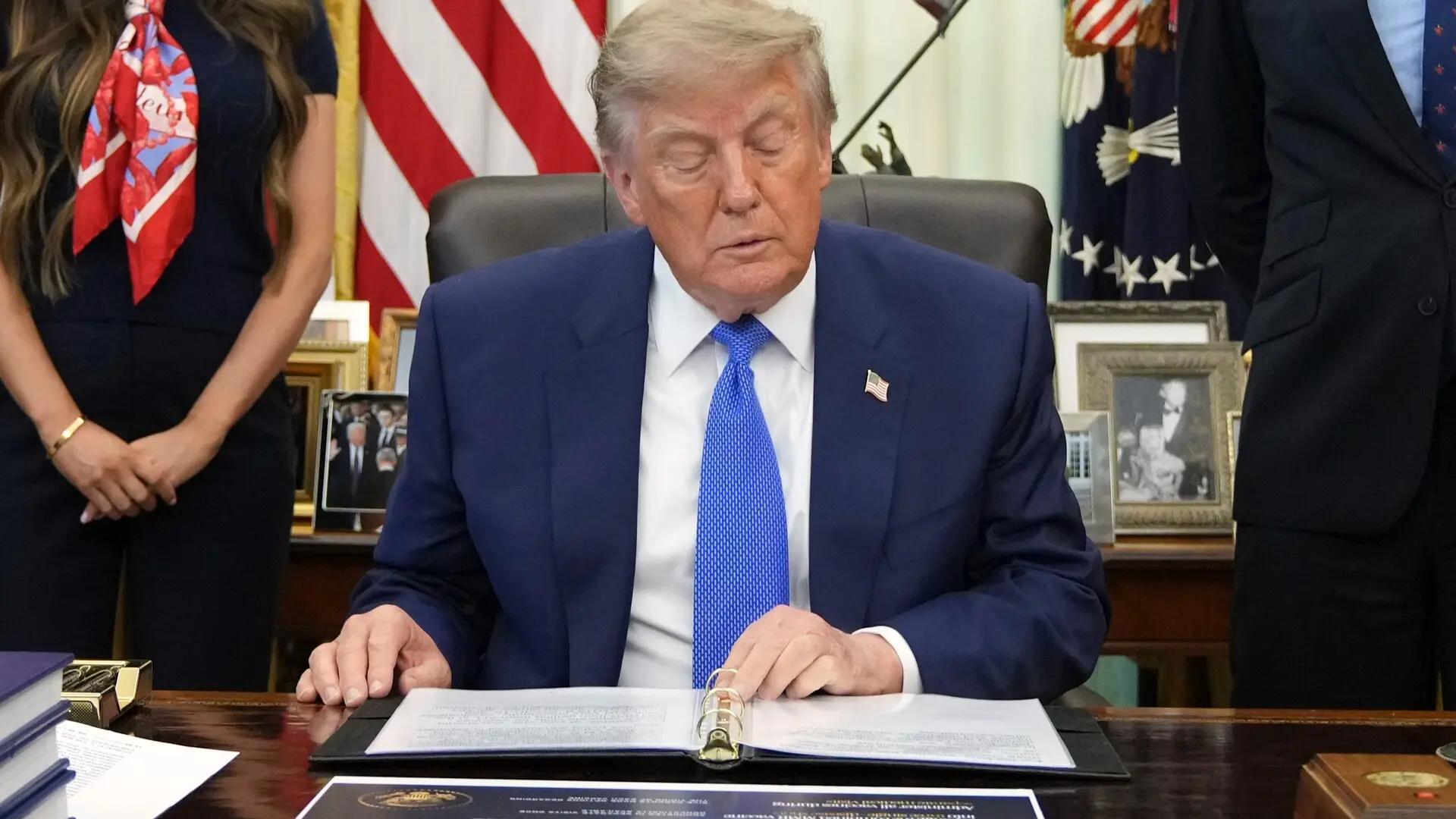
Meanwhile, Al-Hurra described the conflict as a finger-pointing skirmish in the Strait of Hormuz, with President Donald Trump saying the United States has “full control” over the Strait of Hormuz and Hussein Taib responding that the strait is “under Iran’s control and administration.”
Demands, deadlines, and stakes
Iran’s position is that the Strait of Hormuz will not reopen unless the United States meets conditions, with BBC reporting that the IRGC spokesperson Ramezan Sharif claimed, “Our current strategy is to control this strait until the enemy accepts all of our conditions.”
““Our current strategy is to control this strait until the enemy accepts all of our conditions,””
BBC also reported that Secretary of Iran’s Supreme National Security Council Ali Bagheri Kani said, “The Strait of Hormuz will not open unless America corrects its behavior,” and conditioned reopening on ending “forever its war and aggression against Iran and Iran’s allies in Lebanon, Palestine, Yemen, and Iraq.”
Al-Sharq Al-Akhbār said Iran’s Supreme National Security Council secretary Mohammad Bagher Zolqadr presented demands including lifting the naval blockade and sanctions, withdrawing armed forces from the region around Iran, paying compensation for the war, releasing frozen Iranian assets, and halting attacks on Tehran’s regional allies.
The same Al-Sharq Al-Akhbār account said the “Memorandum of Understanding” signed on June 18 is due to end on August 16, and warned that if it is not extended by Sunday, the current “no war, no peace” state may continue.
As the deadline approaches, the stakes are tied to both navigation and economic pressure, with CNBC reporting that the U.S. threatened its naval blockade could continue “indefinitely” and with Al-Sharq Al-Akhbār adding that the strait dispute involves a waterway through which about a fifth of global oil and gas shipments pass.