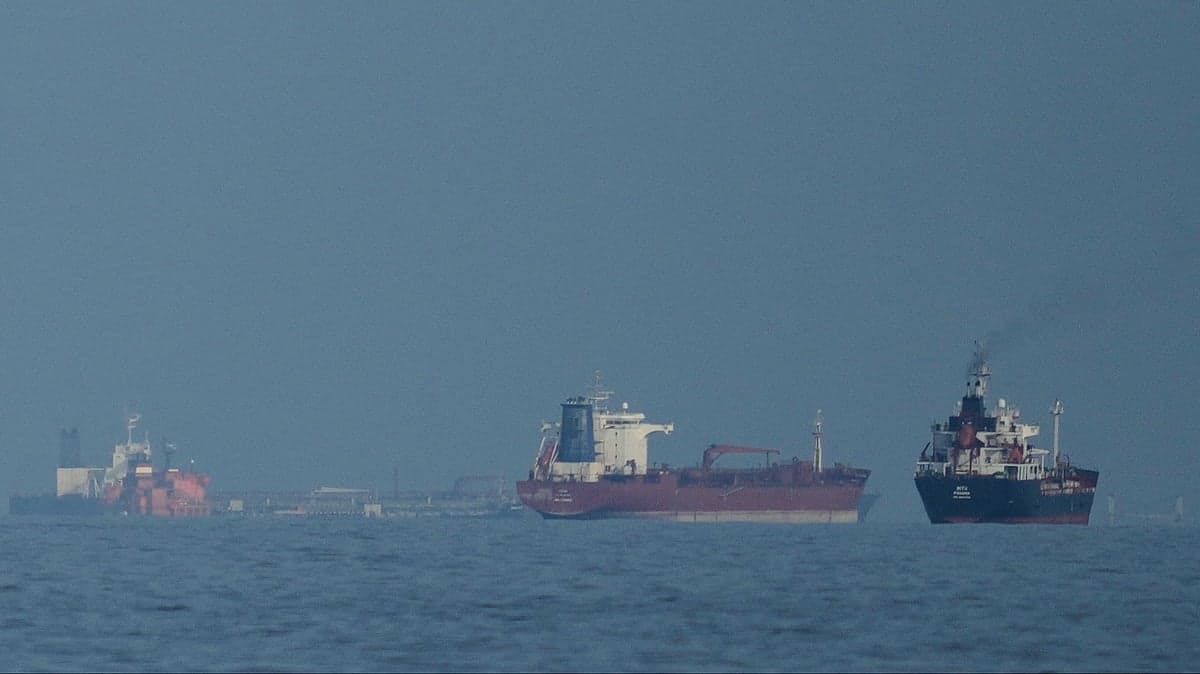
U.S. Escalates Attacks in the Strait of Hormuz as Oil Prices Surge
Key Takeaways
- Strait of Hormuz remains effectively closed, disrupting oil shipments and driving up prices.
- U.S. escalates attacks in the Strait amid global oil-security concerns.
- Trump pressures NATO and China to reopen Hormuz; signals possible stepping back.
Hormuz Crisis Escalation
The Strait of Hormuz crisis has escalated dramatically as the United States intensifies military operations against Iran.
“This website is unavailable in your location”
President Trump has delivered contradictory messages about U.S. involvement in the critical shipping lane.

Iran has largely blockaded the strait in response to the nearly three-week US-Israeli war.
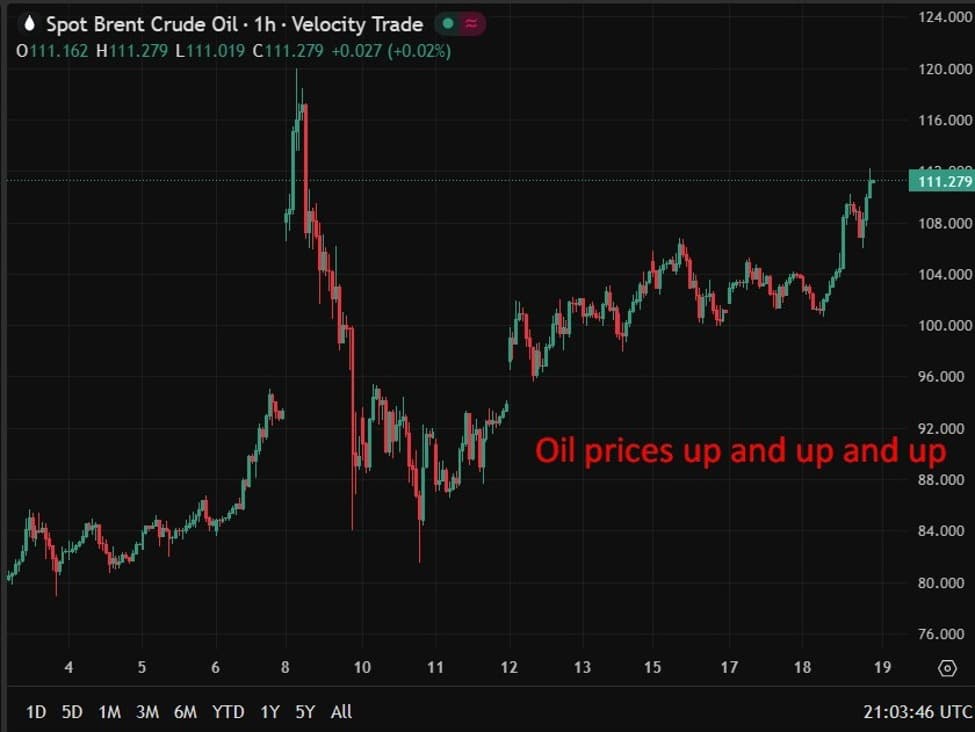
This has caused severe disruptions to global oil supplies and driven prices up significantly.
Trump has expressed anger over allies' refusal to provide military support.
He suggested the United States could abandon the situation and let the countries that use the strait 'find their own solution.'
This follows conflicting statements about allies needing to help versus claiming 'we don't need any help.'
The economic stakes are immense as the strait disruption has caused international crude prices to hover around $100 per barrel.
Gas prices in the United States have risen, creating political pressure ahead of elections.
Military Operations Surge
The United States has significantly escalated its military presence in the Persian Gulf region.
Thousands more Marines have been deployed amidst heightened tensions.

U.S. military officials have confirmed the destruction of 44 Iranian mine-laying vessels.
Operations also target mine storage facilities and naval ammunition depots along Iran's southern coast.
These coordinated air and ground operations aim to prevent further mining of the strait.
The Pentagon has reported American warplanes have ramped up strikes against missiles and their launchers.
F-15E fighter-bombers have been dropping 5,000-pound bombs to penetrate underground bunkers.
General Dan Caine stated that Iran's ability to launch missiles has declined by 90 percent.
Iranian forces still retain some firepower despite these losses.
Allied Reluctance
International allies have shown limited enthusiasm for direct military involvement in the Hormuz crisis.
“✕ Home News Analysis Agro-Forestry Art & Culture Technology Economy & Business Education Energy & Extractives Politics Law & Governance Health Science & Environment Social & Gender Sports Transport Urban Development WASH Research LogIn/SignUp Close the sidebar Middle East Tensions: U”
European Union leaders have called for the reopening of the Strait of Hormuz and a halt to strikes on energy infrastructure.
The EU has not committed military assets to the effort despite these calls.
Several EU member states have signaled willingness to participate only in future efforts once hostilities subside.
Japan's Prime Minister Sanae Takaichi has reaffirmed her country's alliance with President Trump.
Japan's involvement is constrained by its constitutional limitations.
Officials suggest possible support in minesweeping and maritime security operations.
Takaichi stated that 'Ensuring the safety of the Strait of Hormuz is of the utmost importance.'
This reluctance contrasts with severe economic consequences including a 50% increase in oil prices.
Sanctions Policy Shift
The Trump administration has temporarily lifted sanctions on Iranian oil currently at sea.
This authorizes its sale to most countries in an effort to address global oil price surges.
The Treasury Department license applies to oil loaded on vessels as of March 20 and extends until April 19.
Treasury Secretary Scott Bessent estimated this action would add about 140 million barrels of crude to the oil market.
Energy analysts suggest the limited impact of this move.
Most Iranian oil is exported to China through its 'shadow fleet' of tankers that evade American sanctions.
Analysts believe most crude already at sea has been bought and accounted for.
Bessent emphasized that 'Iran will have difficulty accessing any revenue generated.'
The US will continue 'maintaining maximum pressure on Iran and its ability to access the international financial system.'
More on Iran
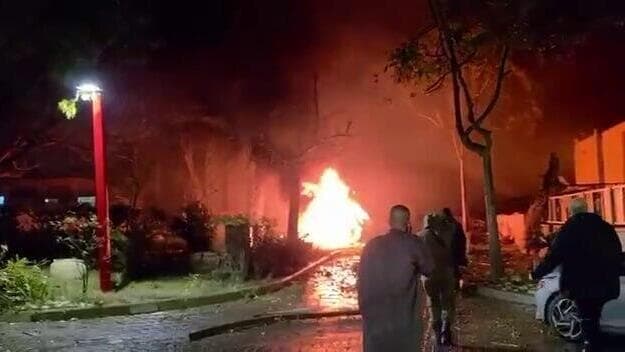
Iran Attacks Israeli Towns Dimona and Arad Near Israel's Main Nuclear Research Center, Dozens Wounded
43 sources compared
Iran Attacks Dimona in Retaliation for Natanz Strike
44 sources compared

Iran Attacks Diego Garcia with Long-Range Missiles, Targeting U.S.-UK Base
82 sources compared
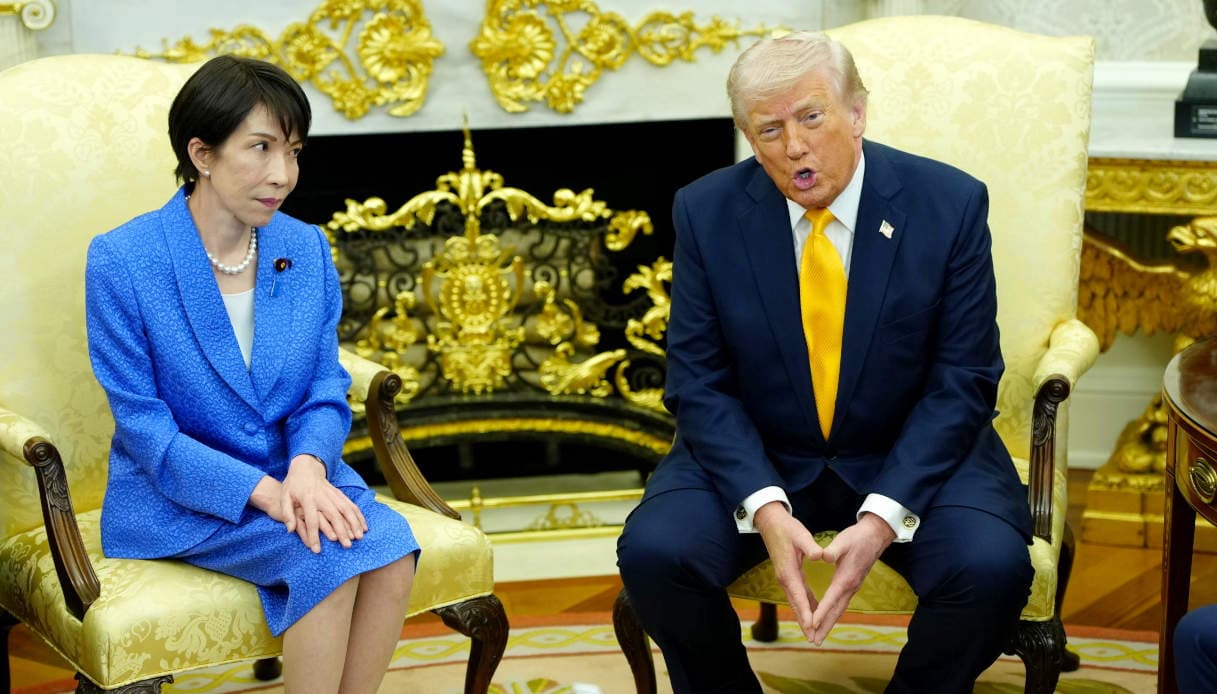
Trump Defends Iran War by Citing Pearl Harbor
12 sources compared