Full story
Strait Deal Signals
A U.S. official told Reuters on Friday that there was progress between Iran and Oman on the Strait of Hormuz and that Washington expected a deal soon that could reopen the waterway and restore oil exports disrupted by the five-month-old U.S. war with Iran.
“"There is progress between Oman and Iran on the strait, and we expect a deal soon"”
Reuters reported that once the deal was announced to restore commercial shipping without impediments, "the United States will lift the blockade of Iranian ports," while also saying U.S. actions would be performance-based and tied to Iran’s commitments.

The Reuters account said the disruption began after the U.S. and Israel launched the war on February 28 and that, before then, about one out of every five barrels of oil consumed worldwide transited the strait.
In a separate AP report, Iran’s leaders said time was on their side as they bet military pressure would force the United States to accept their control over the crucial waterway, with the AP citing Iran’s awareness of diminishing stockpiles of key U.S. weapons such as advanced missile interceptors.
AP also quoted an adviser to Iran’s chief negotiator, Mahdi Mohammadi, posting on social media: "We always decide for ourselves when it ends," as Iran framed the conflict as going after an enemy defeat rather than an agreement.
Compromise Debate
As negotiations over reopening the Strait of Hormuz continued, PBS reported that President Donald Trump may need to do something out of character—compromise—to reach a deal that reopens the economically vital waterway.
PBS said the sticking point was control of the strait, noting that the Trump administration ruled out any arrangement that would cement Iran's grip, including Tehran charging fees, while Iran insisted the strait would not go back to being an open international waterway as it was before the war.
Eliot Cohen, described by PBS as having served as counselor of the State Department in the George W. Bush administration, said yielding ground to Iran would make Trump "a loser," adding that the image would be intolerable.
In a Fox News segment, former Defense Secretary Mark Esper warned that a potential arrangement giving Iran and Oman roles in administering traffic through the Strait of Hormuz could be "a very bad outcome" for the United States.
Esper told Fox News' "America Reports" that even if fees were uncertain, Iran and Oman would "administer and control it in one way, shape, or form," which he said would be a "very bad outcome for us."
Costs and Escalation Risk
As the U.S. approached six months of war with Iran, The Washington Post reported that lawmakers were wrangling over a plan to pay the bill while taxpayers and consumers faced rising costs, including gas prices driven up by supply disruptions during the war.
“"some $37.5 billion" in taxpayer-funded costs”
The Washington Post said that by September the military would have incurred some $37.5 billion in taxpayer-funded costs in connection to the war, excluding damage to U.S. bases in the region struck by Iran.
The Post also reported that the Pentagon burned through $5.6 billion worth of munitions in the first two days of war and that, in four weeks, the U.S. fired more than 850 Tomahawk cruise missiles.
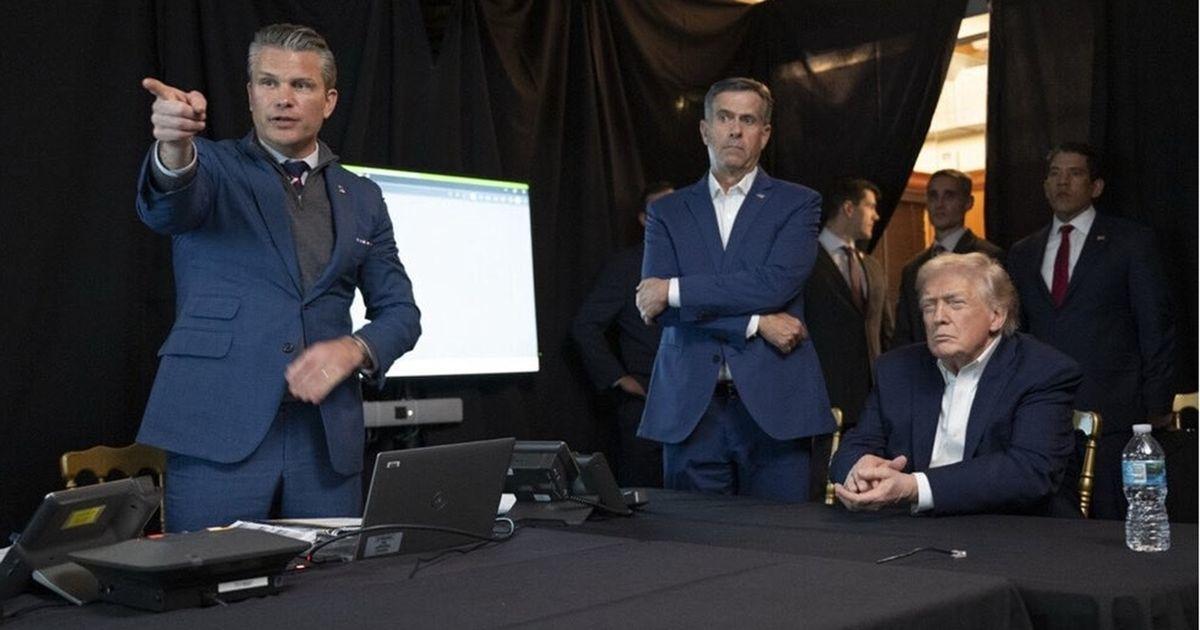
In parallel, News on the ground in the wider conflict continued to feed uncertainty about escalation, with CNN reporting that U.S. sources said the Chairman of the Joint Chiefs, Gen. Dan Caine, privately made clear the U.S. needs to find an off-ramp from the war with Iran because military options could backfire.
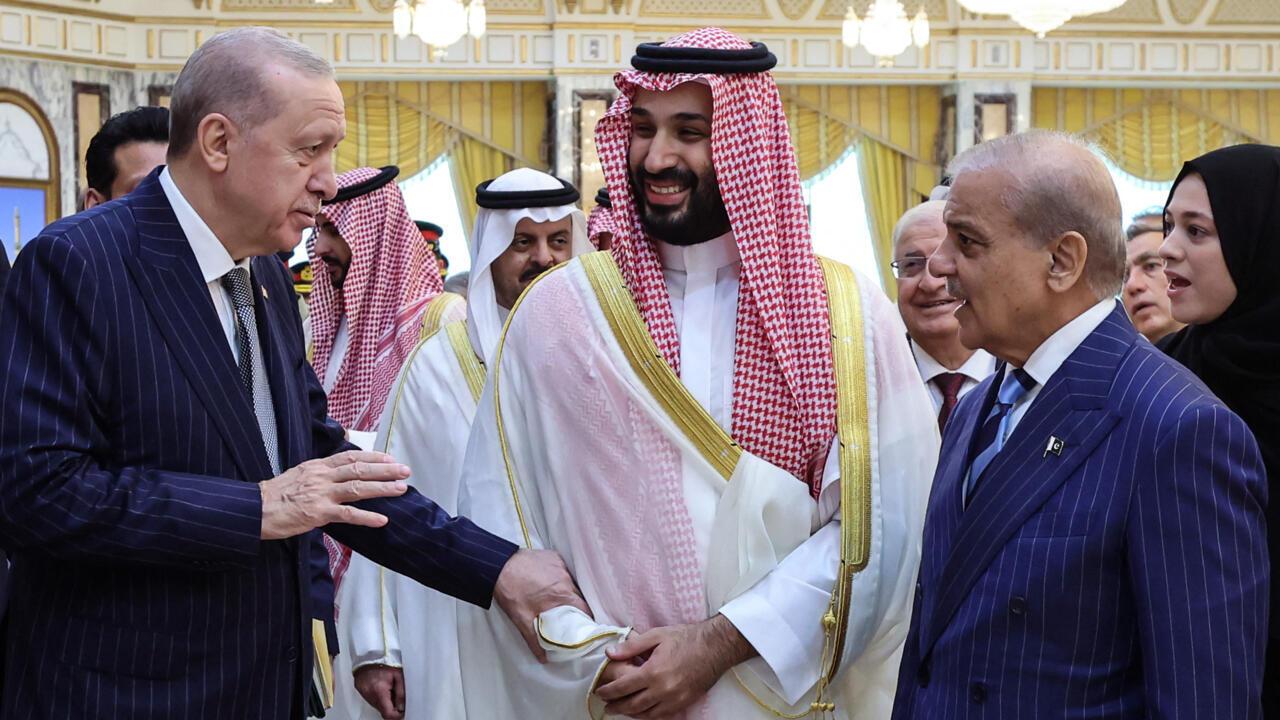
CNN also reported that Saudi Arabia, Turkey and Pakistan signed a mutual defense pact in Mecca that stipulates an attack against any one of them "shall be regarded as an attack against them all," as Houthis targeted Saudi forces in Yemen and Iranian-backed militias postponed retaliatory attacks.