China31 October, 20253 min read
US Government Moves to Ban TP-Link Routers Over National Security Risks Linked to China
US Commerce Department proposed banning TP-Link routers over national security risks. More than six federal agencies, including Defense and Justice, support the ban proposal.

15 outlets told this the same way.
US Agencies Target TP-Link Routers
Multiple US agencies are advancing a Commerce Department proposal to restrict TP-Link routers over national security risks tied to China. Sources consistently note the unusual breadth of government backing and TP-Link’s large US footprint. Western mainstream coverage says the Commerce, Defense, and Justice Departments support a potential ban.
“TP-Link, a leading Wi-Fi router brand in the US with a 36% market share, may face a potential ban supported by over six federal agencies due to national security concerns linked to its Chinese connections.”
Pocket-lint cites support from over six federal agencies. The Independent reports that the Commerce, Justice, Homeland Security, and Defense Departments are considering banning sales. Broadband Communities and Total Telecom describe multi-agency support and stress TP-Link’s dominant market position.

They also note that the company’s recent spin-off into a US-based entity has not eased concerns. Asian outlet GIGAZINE adds that Commerce is proposing a ban after a risk assessment. The proposal will give TP-Link 30 days to object before enforcement, highlighting that the decision is not final.
Security Concerns Over TP-Link Routers
The security rationale centers on fears that Chinese government influence or state-backed hackers could exploit TP-Link equipment. Broadband Communities and Total Telecom report investigations found Chinese state-sponsored hackers used TP-Link routers in critical-infrastructure intrusions, citing the 2024 “Salt Typhoon” attacks. CyberInsider links compromised TP-Link routers to the “Volt Typhoon” operation and flags risks from firmware updates, China-based assets, and proximity to former facilities.
Findarticles emphasizes that consumer and small-office routers are attractive vectors for cyber espionage. CNET notes lawmakers’ alarm over vulnerabilities and the use of routers in cyberattacks. In contrast, GIGAZINE and Pocket-lint both stress that no direct or public evidence of spying via TP-Link routers has been found or disclosed, underscoring an evidentiary gap despite escalating concern.
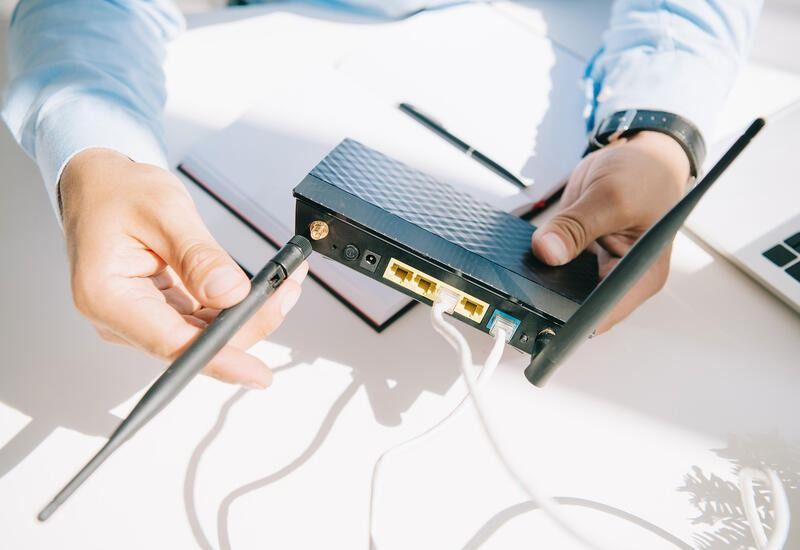
TP-Link Ban Proposal Details
What the ban would do—and when—remains unsettled. Android Authority says the DOC proposal would ban the “sale and use” of TP-Link routers, while WebProNews reports it would “stop future sales but allow existing devices to remain in use for now.” Findarticles notes Commerce could invoke its ICTS authority to halt imports and even require remediation of existing devices, and GIGAZINE adds the agency plans to notify TP-Link and allow a 30‑day objection period before enforcement.
“The Commerce Department may use its authority under the Information and Communications Technology and Services jurisdiction to restrict or remove TP-Link equipment from U.S. networks, potentially stopping new imports and requiring remediation of existing devices.”
Pocket-lint, NepaliTelecom, and Android Authority all point to US‑China trade negotiations as a factor in timing, with Pocket-lint saying TP‑Link could be used as leverage and Android Authority reporting some sources see it as a bargaining chip. WebProNews says approval could come as early as 2026. Broadband Communities and Total Telecom add that Commerce has not finalized a decision and that TP-Link has floated mitigation steps such as onshoring development and increasing cybersecurity transparency.
TP-Link's US Operations and Investigations
TP-Link rejects the allegations and emphasizes its US base. The company disputes any control by the Chinese government. Pocket-lint and The Independent report TP-Link’s denial and claims of compliance as a US-based entity.
GIGAZINE notes the company’s 2022 US spin-off and its assertion of independence. Findarticles states that TP-Link argues a ban would harm consumers without significantly improving security. Android Authority reports TP-Link called the claims “nonsensical.”

CyberInsider and CNET mention that the Department of Justice is separately investigating TP-Link for potential predatory pricing. WebProNews also notes that the company’s aggressive pricing has drawn attention. CyberInsider adds that TP-Link devices are used even on US military bases, highlighting the importance US officials place on the case.
US Tech Restrictions Impact
The potential impact is far-reaching, with multiple outlets describing this as one of the largest consumer technology restrictions in US history if enacted. CyberInsider and GIGAZINE compare it to the Kaspersky ban, while The Independent and Total Telecom emphasize the unprecedented scale. WebProNews warns of market disruption and higher costs if consumers must switch brands.
“This proposed ban would be one of the most significant consumer tech restrictions in US history, similar to previous actions against companies like Russia’s Kaspersky Lab.”
Pocket-lint and NepaliTelecom highlight uncertainty tied to US-China trade talks. Android Authority notes that the White House stance remains unclear. Total Telecom adds that Republican lawmakers, led by Senate Intelligence Chair Tom Cotton, are pushing for the ban alongside Department of Justice antitrust scrutiny.

CNET emphasizes the wider range of market-share estimates that would magnify the market impact. Overall, sources agree the case sits at the intersection of cybersecurity, supply-chain risk, antitrust scrutiny, and US-China technology tensions, even as evidence disclosures and timelines remain unsettled.