China14 October, 20252 min read
US Imposes 100% Tariffs on Chinese Imports as China Vows to Fight Trade War to the End
US announced 100% tariffs on Chinese imports effective November 1, escalating trade tensions. China imposed export controls on rare earth minerals critical for technology and defense sectors.
42 outlets told this the same way.
US-China Trade Dispute
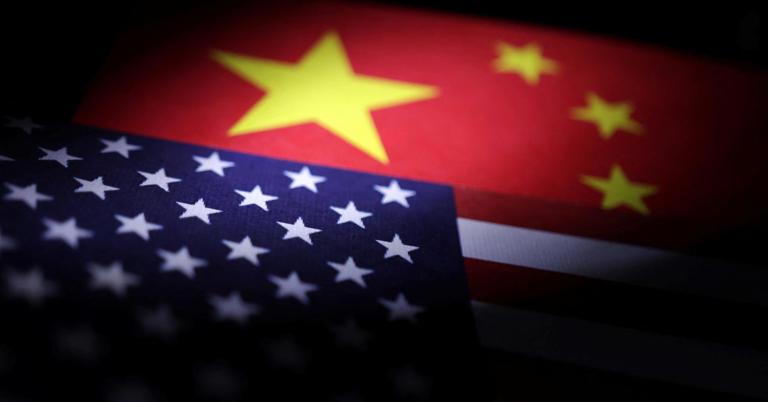
Trade tensions between the United States and China have sharply escalated around rare earth controls and tariff brinkmanship. After Beijing tightened export restrictions on rare earths, Washington moved toward 100% tariffs on Chinese imports. Coverage varies by outlet on whether these duties are already imposed or still a threat.
“China has declared its readiness to 'fight to the end' in a trade war with the United States...”
China condemned the US move as hypocritical and accused Washington of double standards. China signaled it is prepared to “fight to the end,” even as it says it remains open to talks. Markets and negotiations are on edge as both sides harden positions over critical supply chains and technology access.
China's Rare Earth Export Controls
Rare earths are at the core of the dispute. China, which dominates over 90% of global processed rare earth supply, has introduced new export controls on elements and related technologies. Beijing says compliant trade can continue via licensing and that the measures are not outright bans.
China argues the curbs are consistent with security needs and mirrors US moves on semiconductors. Western outlets note markets and tech firms are uneasy despite Chinese assurances of minimal disruption.

Trade Tariff Discrepancies
Retaliatory steps and baseline tariff levels are reported inconsistently across outlets. Some describe China refraining from new tariffs while adopting special port fees mirroring US measures. Others list current tariffs at 30% on Chinese goods with a 10% Chinese counter-tariff.
“China condemned the move as unfair and retaliated by imposing special port fees on US-operated ships... though it has not introduced new tariffs.”
Separate reports say an added 100% levy would lift the total US tariff burden to 130%. This discrepancy underscores uncertainty over what is in force versus threatened as both sides escalate with non-tariff tools like port fees and export controls.
Tensions Affecting Diplomatic Talks
Diplomacy is under strain as leaders consider canceling a planned summit. Both sides accuse each other of breaking a fragile truce. Multiple outlets report that the tariff dispute and export controls have put a Trump–Xi meeting around the APEC summit at risk.
Analysts observe that Beijing’s restraint may still leave a door open for talks. Mutual distrust, however, continues to stall high-level engagement.

Global Market and Trade Tensions
Broader implications include unsettled global markets and the risk of accelerated economic decoupling. There is also a shift in supply chains away from Chinese rare earths. Western and business-focused outlets warn of market turbulence and companies reducing dependence on both economies.
“These developments have unsettled global markets and raised concerns about the future of US-China trade negotiations.”
Some Asian and alternative outlets argue that China’s exposure to the US market is smaller than often assumed. These outlets also note collateral disputes, such as the TikTok sale, that complicate efforts to de-escalate tensions.