US Intelligence Finds Iran Not Restarting Nuclear Enrichment, Undercuts Trump's War Justification
Key Takeaways
- Iran did not restart uranium enrichment after the 2025 strikes.
- Undermines Trump's war justification by contradicting his enrichment claim.
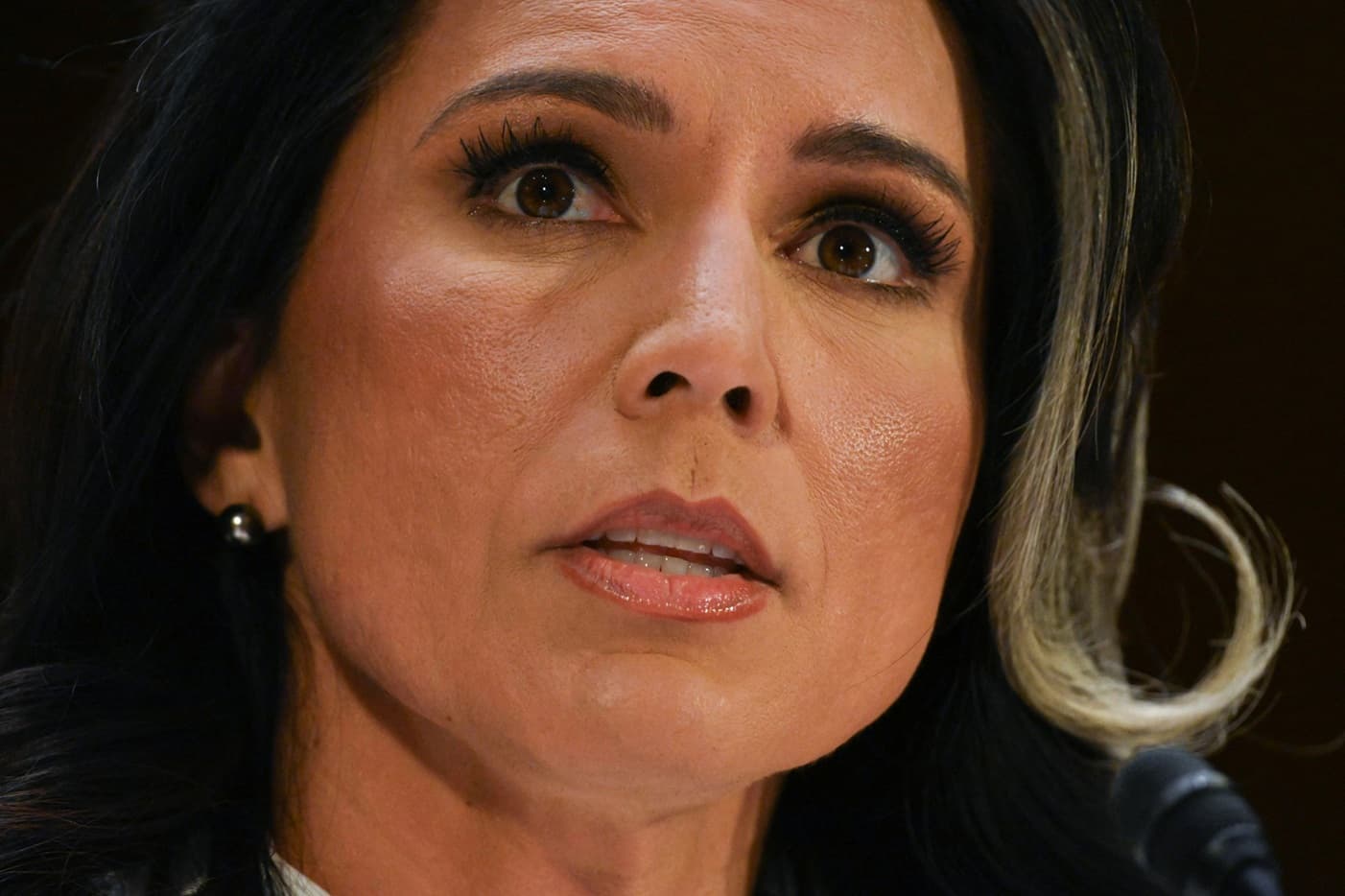
- Director of National Intelligence Tulsi Gabbard contradicted Trump, saying Iran did not restart nuclear enrichment.
Nuclear Program Assessment
US intelligence assessments have revealed that Iran's nuclear enrichment program was 'obliterated' following Operation Midnight Hammer.
“WASHINGTON: US intelligence concluded on Wednesday that Iran was not rebuilding nuclear enrichment capacities destroyed last year by the United States and Israel, contradicting a key justification by President Donald Trump for his ongoing war”
There have been no subsequent efforts to rebuild the enrichment capability, according to intelligence community findings.
DNI Tulsi Gabbard confirmed this assessment during a Senate Intelligence Committee hearing.
This directly challenges the Trump administration's justification for launching the current war against Iran.
The assessment contradicts White House claims about an 'imminent nuclear threat' from Iran.
Trump used this as a primary justification for Operation Epic Fury launched on Feb. 28.
Gabbard's testimony revealed a gap between intelligence facts and political rhetoric.
The underlying intelligence does not support the stated reasons for military action.
Threat Assessment Controversy
The controversy surrounding the 'imminent nuclear threat' justification escalated dramatically.
Gabbard repeatedly dodged direct questions from Senator Jon Ossoff about whether Iran posed an imminent threat.
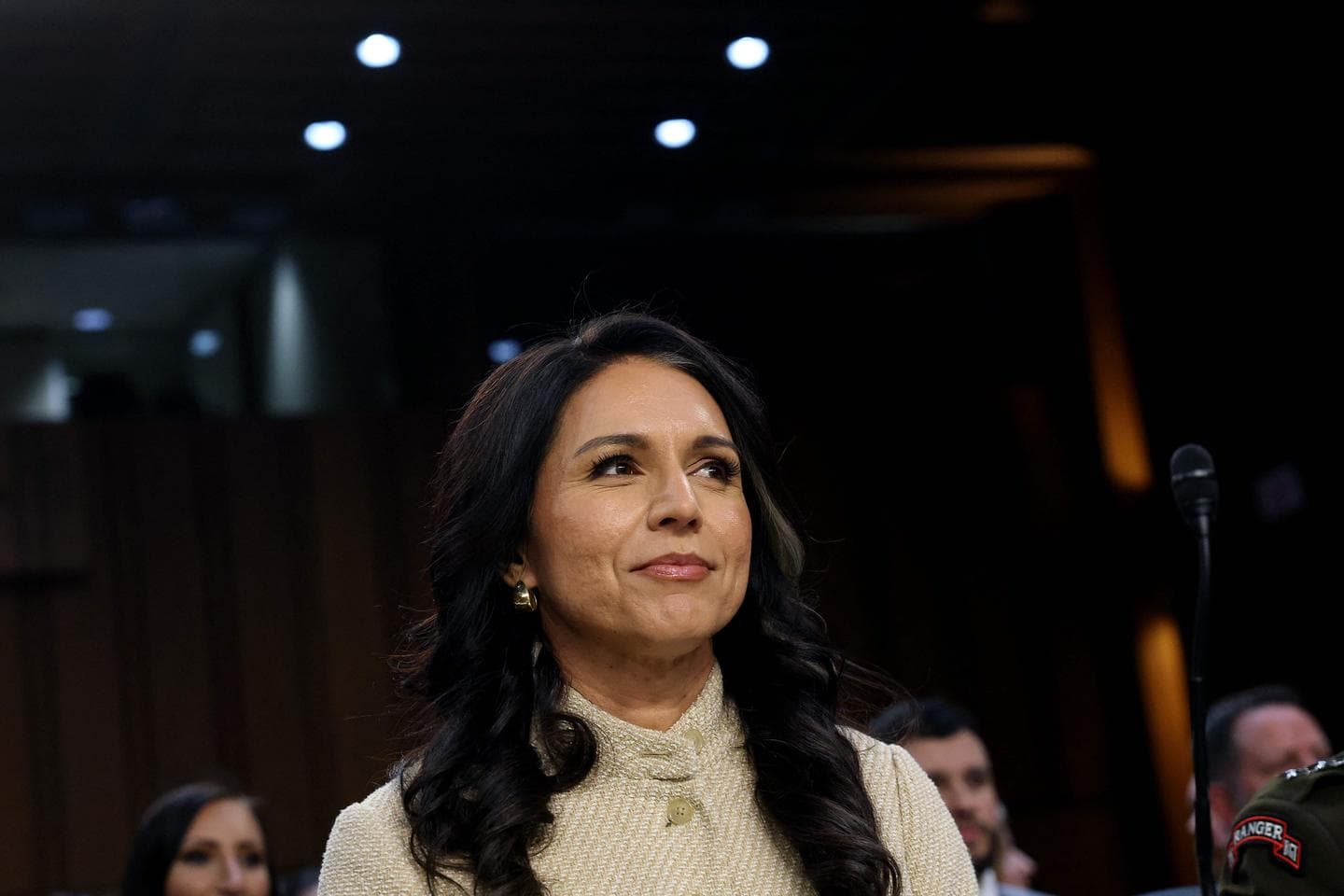
She claimed determining what constitutes an imminent threat is solely the president's responsibility.
Ossoff confronted Gabbard with the intelligence community's conclusion about Iran's obliterated nuclear program.
Gabbard consistently refused to address whether Iran posed an imminent threat.
Ossoff accused Gabbard of dodging questions that exposed contradictions in the war justification.
This highlighted tensions between intelligence assessments and administration political narrative.
The exchange raised questions about the independence of intelligence from political considerations.
Intelligence Agency Dissent
Internal dissent within US intelligence agencies came to light with Joe Kent's resignation.
“My Account Follow us on: Powered By See the top gainers, losers, invest and get updated what's happening in the crypto market Invest Now Powered By Discover the secret world of unlisted shares — analyse India's top pre-IPO companies and invest before they hit the markets Invest Now Discover the latestBusiness News,Sensex, andNiftyupdates”
Kent stated he could not 'in good conscience support the ongoing war in Iran.'
He argued 'Iran posed no imminent threat to our nation' and the war was due to pressure from Israel.
His resignation letter was published on the X social network.
Kent's assessment directly contradicted Trump's justification for war.
It also contradicted CIA Director John Ratcliffe's testimony about an 'immediate threat.'
Kent's departure created a credibility crisis for the administration.
It exposed how intelligence assessments were being selectively used for political objectives.
Military and Political Status
US intelligence assessments indicate Iran's conventional military power has been 'largely destroyed.'
Tehran has 'limited options' to exert influence abroad, according to Gabbard.

The theocratic regime 'appears to be intact but largely degraded.'
Internal tensions are likely to increase as Iran's economy worsens.
US-led maximum pressure campaigns and European sanctions add mounting pressure.
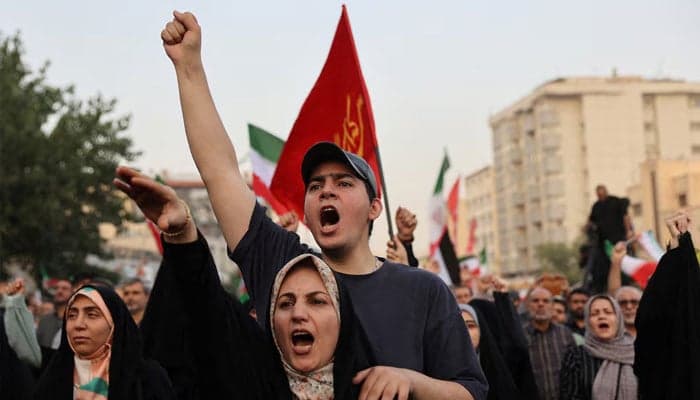
These sanctions led to mass protests that Tehran suppressed by killing thousands.
Iran could potentially rebuild its army and ballistic missile program if it survives.
The regime remains a persistent threat despite military degradation.
Administrative Contradictions
Trump himself had previously stated the Iranian nuclear program had been 'destroyed' following June bombings.
“US intelligence services concluded on Wednesday that Iran did not attempt to restart its uranium enrichment activities destroyed in the American-Israeli airstrikes in June 2025, contradicting a justification invoked by Donald Trump for the ongoing war against Iran”
Yet he later cited an 'imminent nuclear threat' as justification for the current war.
This inconsistency was highlighted during Gabbard's Senate testimony.
Senator Mark Warner noted Gabbard dropped key remarks about the program's obliteration.
Warner asked if the omission was due to Trump's 'imminent threat' claim.
Gabbard claimed it was due to time constraints.
This failed to address the contradiction between Trump's statements.
The shifting justifications created confusion about the true war rationale.
More on Iran
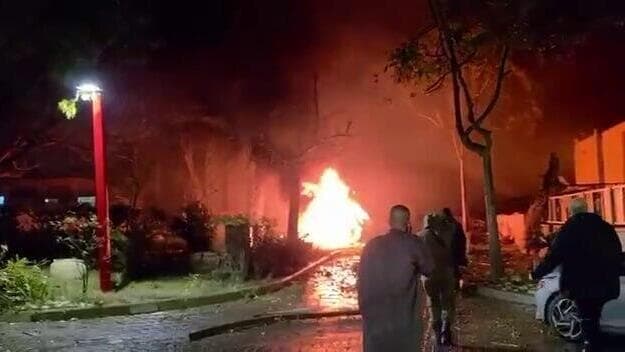
Iran Attacks Israeli Towns Dimona and Arad Near Israel's Main Nuclear Research Center, Dozens Wounded
43 sources compared
Iran Attacks Dimona in Retaliation for Natanz Strike
44 sources compared

Iran Attacks Diego Garcia with Long-Range Missiles, Targeting U.S.-UK Base
82 sources compared
Trump Defends Iran War by Citing Pearl Harbor
12 sources compared