Russia · 08 August, 2026 · 2 min read
U.S. Intelligence Says Vladimir Putin Could Launch Limited Attack On NATO Member
Putin could launch a limited attack on a NATO member to test the alliance. US intel describes scenarios from cyberattacks to small ground incursions against Eastern Europe.
Whether munitions shortages are described as real or disputed.
10 of 12 outlets skipped it: weapon stockpile shortfalls (Patriot/THAAD/PrSM/ATACMS) are at risk.
12outlets compared
Same story, two versions
tap a side to read it in full
Türkiye Today
“Chief Pentagon spokesman Sean Parnell disputed this characterization”Read the original ↗
Türkiye Today adds a Pentagon denial of munitions-shortage claims; La Tercera treats shortages as given
Putin tests NATO resolve
U.S. intelligence assessments cited by the Wall Street Journal and CNN say Russian President Vladimir Putin could attempt a limited attack on a NATO member state within the next few years to test the alliance’s collective defense commitment. The scenarios described by U.S. officials range from a cyberattack to a small-scale incursion on NATO’s eastern flank, with the estimated timeframe for any potential attacks stretching from this autumn to 2029.
The Wall Street Journal reported that the United States previously assumed Putin would not provoke a NATO member while still waging war against Ukraine, but that assessment changed this year as pressure on Putin increased both on the battlefield and domestically. CNN’s reporting, as relayed in one account, said any attack would most likely target the Baltic states or Poland, while the Lithuanian government said it had information suggesting Moscow might be considering attacks on critical infrastructure in the Baltics using Ukrainian drones.

Alliance response and quotes
U.S. officials told the Wall Street Journal that Putin’s aim in attacking a NATO country during the continuing war in Ukraine would be to divide the alliance, and Heather Conley of the American Enterprise Institute framed the central issue as "The question is how the United States would respond in that case." Conley also said Russia’s goal has been "to challenge the credibility of NATO and to separate the United States from its allies," as the assessments warned that Putin could operate below the threshold that would force a major NATO military response.
NATO spokesperson Martin O’Donnell declined to comment on classified intelligence but told CNN that the alliance was "always thinking through and preparing for any number of scenarios" and that "Nato is watching and we are ready to deter and defend as necessary." In the same reporting thread, U.S. and European leaders were described as increasingly seeing signs of probing attacks, including a Russian cruise missile that fell in Poland and drones that crossed into Romania.
Munitions, hybrid threats, timeline
The assessments described possible Russian actions as ranging from cyberattacks to the deployment of unmarked armed groups to seize territory, with a limited ground incursion described as low likelihood but increasing over time. U.S. officials cited by the Wall Street Journal said the timeframe for any such move extends from autumn of this year through 2029, while also warning that Article 5 is less explicit about how NATO should respond to cyberattacks or other forms of hybrid warfare.
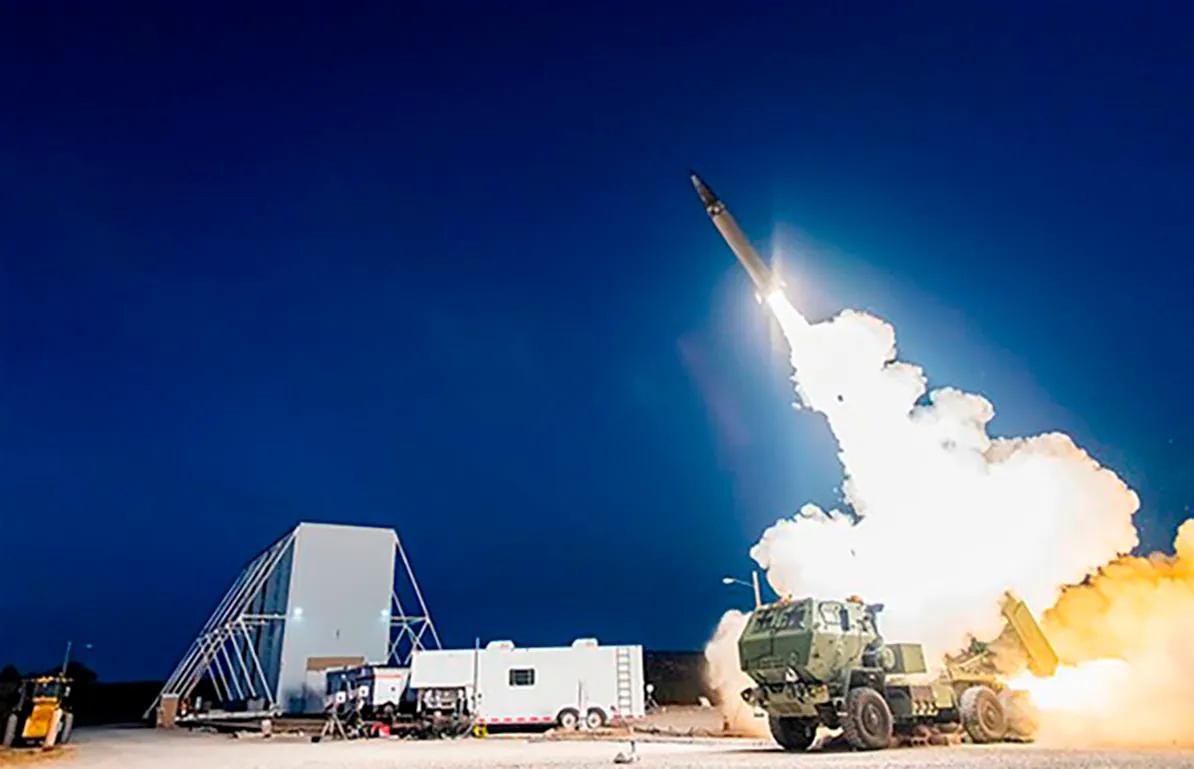
Alongside the threat scenarios, reporting tied the warning to concerns about shortages of critical munitions, including long-range precision missiles and Army Tactical Missile Systems, plus short-range Stinger surface-to-air missiles and interceptors for Patriot, SM-3 and THAAD. Pentagon chief spokesperson Sean Parnell disputed the characterization of shortages, saying "We have everything required to strike at the time and place of the President's choosing," while White House spokesperson Anna Kelly said the U.S. military had "more than enough" munitions to "serve all of President Trump's strategic goals."