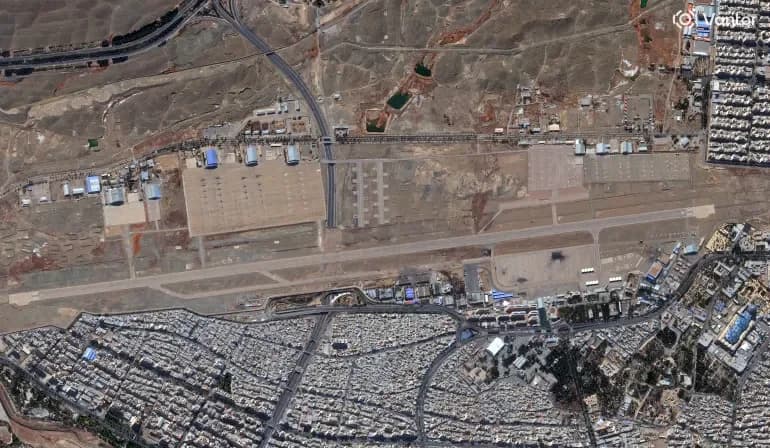
US Invasion Plans to Seize Iran's 60% Uranium Are Overblown, Jerusalem Post Reports
Key Takeaways
- Reports of a large-scale invasion to seize 60% uranium are exaggerated.
- A limited ground operation to secure the uranium remains under discussion.
- Controversy centers on securing Iran's 60% enriched uranium.
Invasion Reports Exaggerated
Recent reports of an imminent large-scale U.S. invasion of Iran specifically targeting its 60% enriched uranium stockpile have been deemed significantly exaggerated by multiple sources.
“Despite numerous reports in recent days about a potential imminent and multi-sided US invasion of parts of Iran, including plans to retrieve 60% enriched uranium, The Jerusalem Post understands that these reports are exaggerated”
Despite heightened tensions and speculation about potential military operations, intelligence assessments and official statements suggest that such extensive invasion plans are not currently being pursued.
The Jerusalem Post explicitly stated that 'the idea of an extended mission in Isfahan to retrieve the 60% enriched uranium... do not appear to be in the cards,' while Türkiye Today reported that U.S. military objectives have remained consistently focused on eliminating ballistic missiles, drones and naval threats rather than the uranium itself.
Military analysts and officials have tempered expectations about the scope and immediacy of any potential U.S. intervention, suggesting that while ground forces might be used in some capacity, a full-scale invasion targeting nuclear facilities is not an imminent prospect.
Military Objectives Focus
The U.S. military's actual objectives in the region have reportedly been more focused on conventional threats rather than targeting Iran's nuclear program directly.
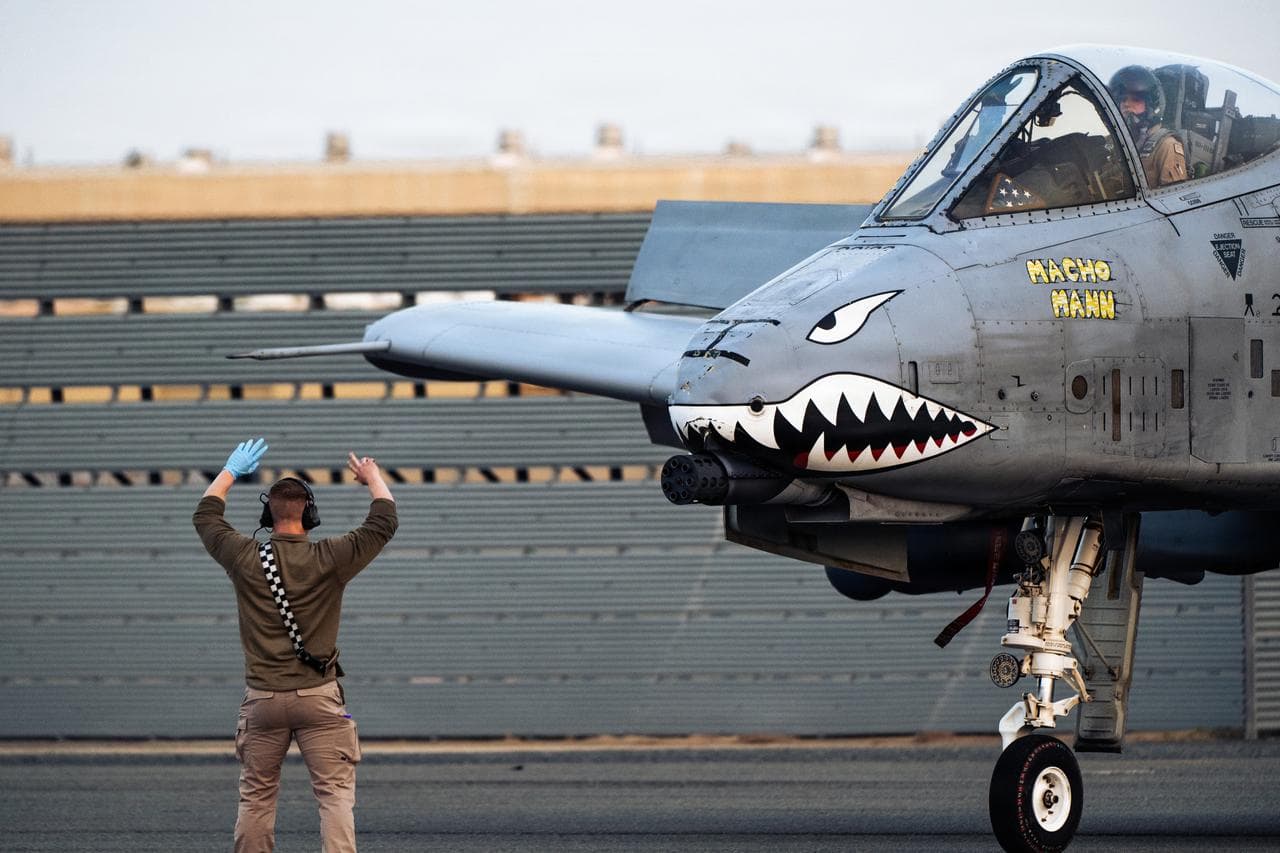
According to both The Jerusalem Post and Türkiye Today, since February 28, the U.S. has conducted approximately 7,000 attacks primarily aimed at eliminating ballistic missiles, drones, and naval threats from Iran.
Despite this extensive military campaign, neither the U.S. nor Israel has successfully neutralized the two largest remaining nuclear threats from Iran: over 400 kilograms of 60%-level enriched uranium buried under debris from previous Israeli attacks, and the Pickaxe Mountain nuclear facility near Natanz.
This has created a situation where Israeli officials had hoped for American intervention to address these nuclear threats, but the complexity of the mission has raised significant concerns about feasibility and risk.
Uranium Access Risks
The specific challenge of dealing with Iran's enriched uranium has proven particularly problematic due to the risks and complexities involved.
“SadaNews: The Israeli newspaper Jerusalem Post reported that the recent news about an imminent and multifaceted American invasion of parts of Iran – including plans to retrieve 60% enriched uranium – is "exaggerated"”
Multiple sources indicate that Iran possesses approximately 450 kilograms of uranium enriched to 60%, which could be converted to weapons-grade material within weeks.
However, accessing this uranium would require digging through extensive rubble from previous Israeli attacks, a process that could take days or longer.
This extended timeframe would put American ground forces at an 'unprecedented level of risk,' according to assessments cited in the reports, especially when compared to the rapid, hours-long intervention that occurred in Venezuela in January.
The Jerusalem Post noted that unlike the Venezuela operation, which was completed quickly, an extended intervention in Iran would be far more dangerous even with what Israel and the U.S. have termed 'air supremacy.'
Military Movements
Despite the overblown invasion reports, there are still significant military movements and uncertainties that indicate potential contingency planning.
Maritime tracking data shows that the amphibious assault ship USS Tripoli is nearing the Malacca Strait off Singapore on its way to the region, according to CNN reports cited by both The Jerusalem Post and وكالة صدى نيوز.
The Tripoli is believed to be carrying approximately 2,200 troops from the Okinawa-based 31st Marine Expeditionary Unit (MEU), a rapid-response force trained for special operations, raids, and assaults.
However, both sources emphasize that while these forces are positioned in the region, there is no clear indication that an invasion is imminent.
The Jerusalem Post specifically states that 'there is no obvious or imminent US plan to invade the Isfahan area in the next few days or weeks in order to seize the 60% enriched uranium,' though it acknowledges that ground forces could still be used in some capacity.
Uranium Options Discussed
U.S. and Israeli officials have discussed at least two main options for dealing with Iran's enriched uranium stockpile, though neither has been publicly executed or definitively ruled out.
“Reports of an imminent large-scale U”
According to Türkiye Today, which cited U.S. officials, one option would involve removing the uranium from Iran entirely, while the other would bring nuclear experts to dilute the material at the site.
Any potential mission could involve special operations personnel alongside nuclear specialists, possibly including experts from the International Atomic Energy Agency (IAEA).
Secretary of State Marco Rubio, when asked at a congressional briefing about securing the enriched uranium, was somewhat evasive, stating that 'People are going to have to go and get it,' without specifying who would carry out the operation.
This vagueness has left the situation ambiguous, with both countries avoiding clear statements about whether the issue is definitively off the table or merely postponed.
Current Status Assessment
In summary, while there is ongoing military activity and contingency planning, the consensus across multiple sources is that immediate plans for a large-scale U.S. invasion specifically targeting Iran's 60% enriched uranium are exaggerated and not imminent.
The Jerusalem Post and other sources agree that while ground forces could potentially be used in some capacity, the idea of an extended mission in Isfahan or similar large-scale operations targeting nuclear facilities does not appear to be in current planning.
The significant risks, logistical challenges, and the focus on more immediate conventional threats have tempered expectations about such operations.
However, the situation remains fluid, with the USS Tripoli carrying Marines to the region and ongoing discussions about potential uranium recovery options, suggesting that while not imminent, contingency plans remain active in the background.
More on Iran
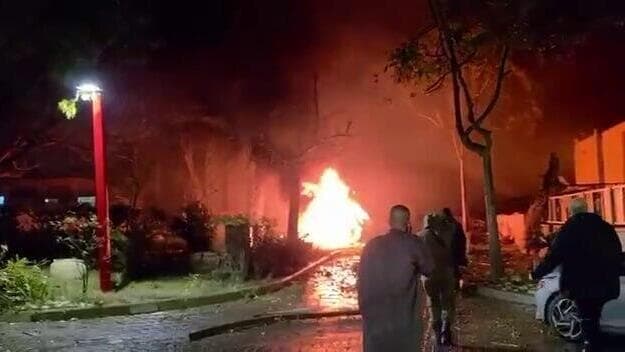
Iran Attacks Israeli Towns Dimona and Arad Near Israel's Main Nuclear Research Center, Dozens Wounded
43 sources compared
Iran Attacks Dimona in Retaliation for Natanz Strike
44 sources compared

Iran Attacks Diego Garcia with Long-Range Missiles, Targeting U.S.-UK Base
82 sources compared

Trump Defends Iran War by Citing Pearl Harbor
12 sources compared