Iran-Israel03 March, 20263 min read
US, Israel Pound Iran After Killing Ayatollah Ali Khamenei; Trump Warns War Could Last Weeks
US and Israel carried out strikes that reportedly killed Ayatollah Ali Khamenei on Feb. 28 An Iranian drone strike at Port Shuaiba, Kuwait, killed six U.S. soldiers

35 outlets told this the same way.
Outlets did split on U.S. Intercepts Iran Message Activating Sleeper Cells After U.S.-Israel Strike Kills Khamenei →
Strikes inside Iran
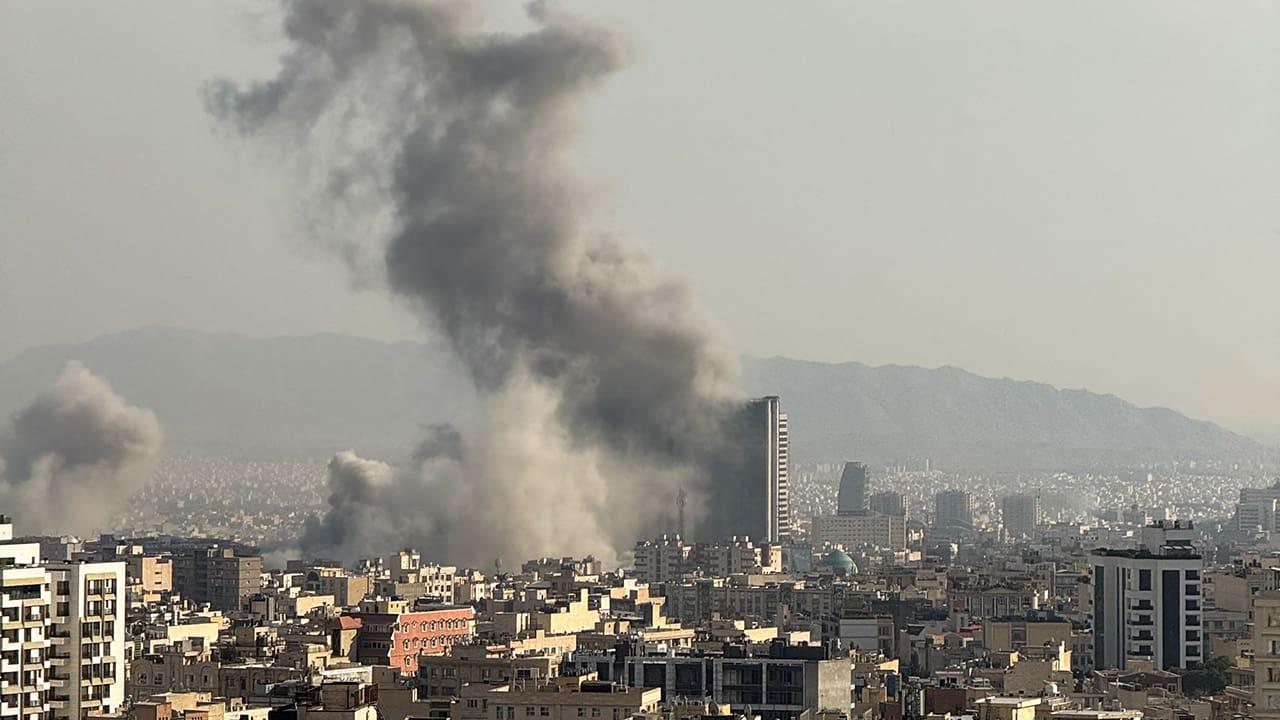
U.S. and Israeli forces launched a series of strikes inside Iran after the reported killing of Iran’s Supreme Leader, Ayatollah Ali Khamenei. Explosions were reported across Tehran as strikes and incursions continued over the capital. PBS described explosions across Tehran and said U.S. and Israeli forces continued strikes after reportedly killing Iran’s Supreme Leader Ayatollah Ali Khamenei.
“Explosions rang out across Tehran as U.S. and Israeli forces continued strikes after reportedly killing Iran's Supreme Leader Ayatollah Ali Khamenei.”
Associated Press summarized that U.S. and Israeli strikes inside Iran marked a significant escalation and widened the fighting beyond previous boundaries. Folha de S.Paulo said Israel struck Iran’s Presidency and National Security Council offices while the United States conducted additional air incursions over Tehran.

Al-Jazeera reported Iranian military claims of multiple strikes on Israeli military targets and captures of enemy drones. These reports contain competing and cross-claimed accounts about who struck whom and what occurred on the battlefield.
U.S. military operations update
The U.S. has deployed a large force footprint and leaders warned the confrontation could persist for weeks. The New York Times reported that "over 50,000 troops, roughly 200 fighter aircraft, two aircraft carriers and bombers were taking part in the operations,". PBS quoted President Trump saying the U.S. has "the capability to go far longer" than an earlier four‑to‑five‑week projection.
CBS noted that "Officials say forces remain ready to act, and President Trump repeatedly hinted that further developments are forthcoming,". The Council on Foreign Relations summarized congressional briefings saying the operations were framed as measures "to protect the U.S. homeland and U.S. forces operating in the region."
Regional strikes and casualties
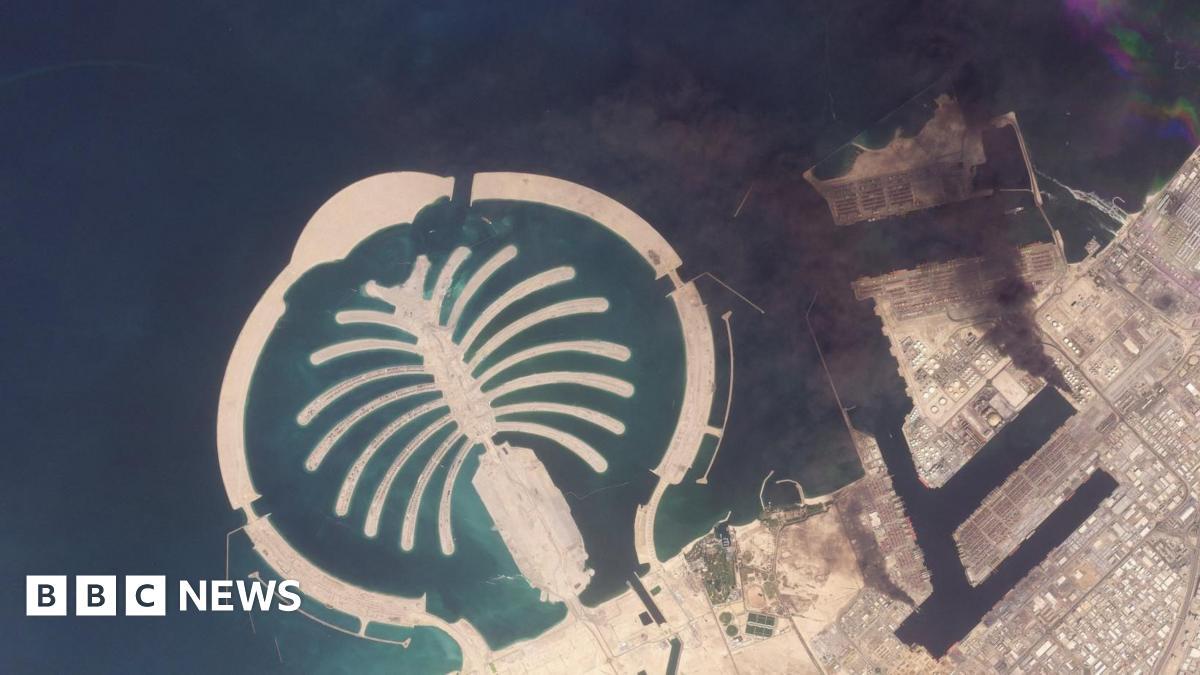
The conflict has spread across the region through missile and drone strikes.
“Iran and its allies have retaliated with attacks on Israel, neighboring Gulf states and infrastructure tied to global oil and gas production.”
PBS said "Iran and its allies have retaliated with attacks on Israel, neighboring Gulf states and infrastructure tied to global oil and gas production."
The BBC reported that "Iran has launched missiles and drones at Gulf states and Israel, striking infrastructure and residential areas."
National Today reported "Six U.S. Army Reserve members assigned to the 103rd Sustainment Command were killed in a drone strike at a command center in Kuwait on March 2, 2026."
Metro Vaartha described the Port Shuaiba strike and multiple local reports noted six dead.
An Associated Press excerpt said the Pentagon "later confirmed a drone caused the attack and reported four service members killed."
India Today stated "A drone strike on a command center in Kuwait killed multiple U.S. service members, the Pentagon said."
The sources disagreed on the exact U.S. death toll.
Legal, strategic and market concerns
Legal and ethical challenges have accompanied the fighting, with analysts and regional observers questioning the lawfulness of the strikes and highlighting possible war‑crimes implications.
The Arab Center Washington DC quoted Susan M. Akram arguing that 'recent US‑Israeli attacks on Iran violate the laws of war' and that reported strikes hitting a school and 'the extrajudicial killing of Iran’s civilian leader would violate international humanitarian law and likely amount to war crimes.'
The Hudson Institute urged readers to interpret U.S./Israeli restraint as strategic, noting that 'what they choose not to strike can reveal plans for managing Iran after the war.'
Democracy Now! highlighted financial‑market concerns, reporting 'gamblers have placed roughly $529 million on Polymarket markets about potential strikes on Iran,' raising questions about insider information and oversight.
Gulf conflict fallout
The broader regional fallout has disrupted travel, commerce and diplomatic ties while prompting questions about air‑defense strain and long‑term balance in the Gulf. CNN reported that thousands of tourists are stranded after much of Middle Eastern airspace was closed and airlines canceled flights. CNN added that the US is arranging military and charter flights to help American citizens depart.
“Gulf states — especially Saudi Arabia and the UAE — now face a dilemma between retaliating (which risks stronger, escalatory attacks) or staying defensive and absorbing further strikes.”
CNA said Gulf states — especially Saudi Arabia and the UAE — now face a dilemma between retaliating, which risks stronger, escalatory attacks, or staying defensive and absorbing further strikes. Iran International quoted assessments that Israeli strikes have dramatically degraded Iran’s ability to retaliate, even as analysts warned such strikes could alter the Gulf strategic balance. The BBC emphasized that drones and missile debris have disrupted trade and travel even when physical damage is limited, underlining economic and security consequences across the region.