
Finance · 20 April, 2026 · 6 min read
US-Israel War With Iran Drives 62% Surge In Britain Petrol Station Fuel Theft
Fuel thefts surged across Britain as Iran War-linked price increases hit fuel costs. Retailers report substantial losses from drive-offs, with figures cited by BBC and The Sun.
Magnitude and trend of fuel theft increases.
2 of 3 outlets skipped it: petrol theft surged by 62% (BBC) is not echoed as-is in The Independent or The Sun (which cite near-30% or different metrics)..
3outlets compared
Same story, two versions
tap a side to read it in full
BBC
“Petrol theft has surged by 62% compared with a year ago, according to new figures compiled for the BBC, with one forecourt owner saying drive-offs are costing him £2,000 a week across his five sites.”Read the original ↗
The Sun
“The seven-week Iran War has seen petrol prices jump by nearly 20 per cent and diesel increase by 35 per cent. Thefts are up nearly 30 per cent in the same period.”Read the original ↗
Shows stark contrast in reported scale: BBC emphasizes a 62% rise, while The Sun emphasizes roughly 30% increases and price jumps, reflecting different framing of the same trend.
Fuel theft surges
Britain has seen a sharp rise in petrol station fuel thefts as the US-Israel war with Iran pushes up fuel costs, according to figures compiled for the BBC. BThe BBC reports petrol theft has surged by 62% compared with a year ago, citing data from fuel theft recovery company Pay My Fuel. BThe BBC also says one forecourt owner told it that drive-offs are costing him £2,000 a week across his five sites.B
The BBC links the increase to higher petrol and diesel prices, saying the cost of filling a typical family car with petrol has risen by £14 since the conflict began and a typical tank of diesel has gone up by about £27. It adds that retailers say their staff have faced a jump in abuse because of high fuel prices caused by the US-Israel war with Iran.
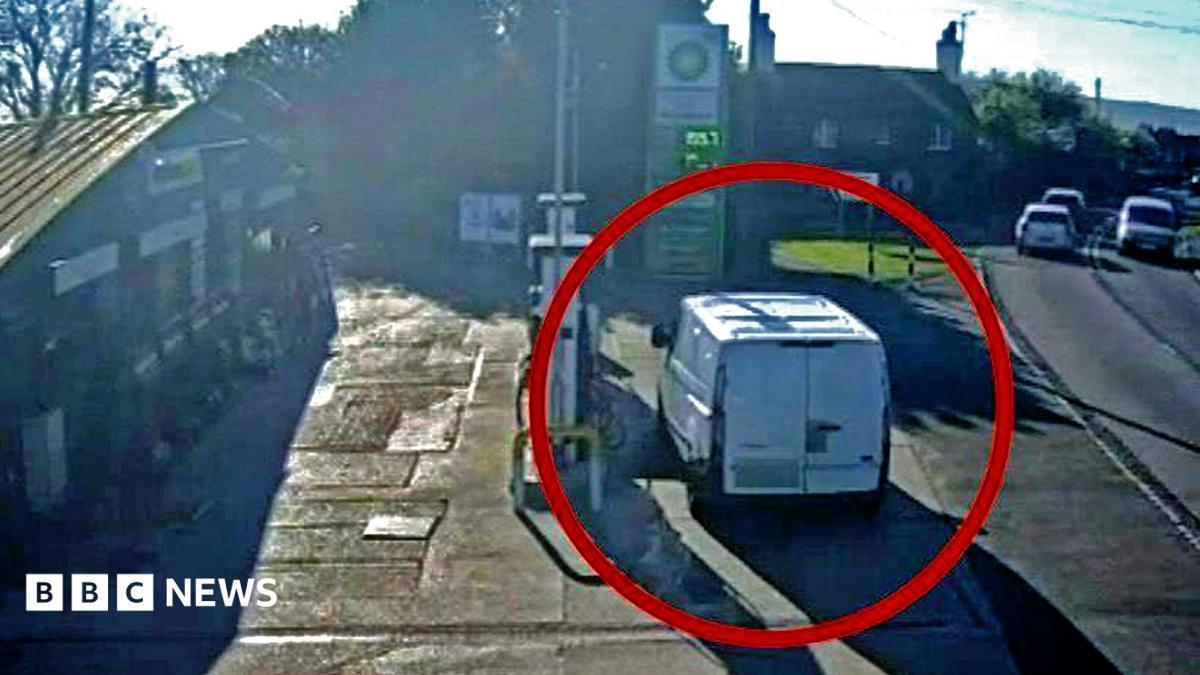
The BBC describes Josh, a petrol retailer with five garages in the south of England, saying he was experiencing about five drive-offs a week now at each garage, whereas it was previously one or two. BIn CCTV footage shared with the BBC, the driver of a motorbike carrying two people puts £14.97 worth of fuel in the tank before driving off, while another video shows a white van filling up with £151.53 worth of fuel during the morning rush hour before driving away.
Numbers, incidents, and costs
The BBC ties the surge to specific metrics from Pay My Fuel, saying the number of drive-offs experienced by an average forecourt each week has risen from 2.1 in March 2025 to 3.4 in March this year, an increase of roughly 62%. It also says Pay My Fuel’s systems cover 1,400 forecourts to help recover stolen funds, and that the average value of a drive-off had risen by 46% over the same period. The BBC quotes Ian Wolfenden, the firm’s director, saying: "An average drive-off for one of our customers used to be £56, and now it's gone up to £67."B
Wolfenden adds that if customers are losing nearly £70 every two days, "it's not insignificant." The BBC also reports that Wolfenden said the problem was three or four times as bad in less affluent areas, highlighting east and south east London, Glasgow, Manchester, Leeds and Birmingham as particular problem areas for drive-offs.B

The Independent provides additional figures, saying Britain has seen a near-30 per cent surge in fuel thefts at petrol stations that could cost the forecourt sector over £100m a year. The Independent links the rise to diesel up by 48.6 pence per litre and petrol by 25.1 pence per litre since the conflict in Iran began, and it says Forecourt Eye reported a 22 per cent rise in 'no means of payment' incidents and a 6 per cent rise in drivers leaving without paying across 500 forecourts.
Voices: retailers, police, government
Retailers and industry groups describe the thefts as both financially damaging and socially escalating, while police and government emphasize enforcement and proactive targeting.
The BBC quotes Gordon Balmer, executive director of the Petrol Retailers Association (PRA), saying the increase in the price of fuel since the war began had led to a "noticeable increase" in fuel theft and that some theft was "obviously organised crime" while other instances involved people who said they had forgotten their wallet or purse.B
The BBC also includes comments from Rachel King, forecourt manager for three petrol stations in Gloucestershire, who warns that if people continue to do it, it will affect forecourts as in the price of fuel, saying: "If people continue to do it, it will affect the forecourts, as in the price of fuel".
King adds that if forecourts are getting "massive hits from drive-offs" they have "no option but to keep your prices a little bit higher to cushion the losses."
The BBC also quotes Superintendent Lisa Maslen, head of the National Business Crime Centre, saying fuel theft continued to "place a significant and unacceptable strain on fuel retailers, impacting businesses financially and placing additional demand on policing resources".B
Maslen says police forces are taking a "proactive approach to tackling this issue, working to identify offenders, disrupt repeat behaviour and ensure those responsible are held to account".
A government spokesperson in the BBC story says: "Fuel theft undermines businesses and their workers. BThese thieves must face the full force of the law."
Tabloid escalation and rallying
The Sun frames the same fuel theft trend as a large-scale crime spree and ties it directly to the Iran war’s impact on fuel prices, while also pushing political pressure on fuel duty. TThe tabloid says Britain is being hit by a £100million-a-year “fill up and flee” petrol station crime spree sparked by soaring fuel prices, and it states that the seven-week Iran War has seen petrol prices jump by nearly 20 per cent and diesel increase by 35 per cent. It adds that thefts are up nearly 30 per cent in the same period and claims that some petrol station bosses say crimes have leapt from one a week to four a day.
The Sun quotes Claire Nichol, CEO of the British Oil Security Syndicate, saying: “At current fuel costs, motorists deliberately evading paying for fuel is costing the sector more than £100million a year.” TNichol also urges operators to be extra vigilant during peak periods, saying: “We would urge operators to be extra vigilant during peak periods and be aware of customers entering a store, making small purchases and not paying for fuel.”
The Sun also cites Forecourt Eye and says theft levels have now surpassed the 2022 highs following Russia’s invasion of Ukraine. TIt further reports data drawn from around 500 UK filling stations showing a 27 per cent increase in daily fuel thefts since the escalation of the Iran conflict in February, and it estimates weekly losses at more than £1.2million.
Legal framing and operational impacts
Across the reporting, the thefts are described not only as a loss of fuel but also as a legal and operational problem, with references to the Theft Act 1978 and to how retailers respond when “No Means of Payment” is declared. The Sun states that under the Theft Act 1978, making off without payment is a criminal offence punishable by fines or up to two years in jail, and it says that in cases where motorists leave after declaring No Means of Payment (NMOP), agencies such as Forecourt Eye typically attempt to recover the outstanding amount before pursuing legal action. TIt also claims that many retailers have reportedly stopped referring incidents to the police, and it says the relatively low value of individual thefts—often around £50—means they are treated in a similar way to minor shoplifting and convictions are rare.
The BBC, meanwhile, emphasizes the scale of the problem through examples of drive-offs at different times of day and different vehicle types, including a driver of a white Porsche SUV putting £75.15 of fuel in her vehicle in the middle of the afternoon and failing to pay. The BBC also includes a quote from Josh describing the pattern of theft, saying: "There just seems to be a sort of public acceptance now that theft is okay," and adding: "I'm sure there is a percentage of people that are doing it out of desperation, but the large majority is organised, pre-planned."B
The BBC reports that Josh shared CCTV footage showing drive-offs happening at all times of day, and it describes the motorbike incident where two people remain on the bike as the driver puts £14.97 worth of fuel in the tank before driving off. BThe Independent adds that Forecourt Eye reported a 22 per cent rise in 'no means of payment' incidents and a 6 per cent rise in drivers leaving without paying across 500 forecourts, reinforcing that the operational category of NMOP is central to the reported increase.