Full story
Troop deaths spur strikes
The United States announced that a U.S. service member in northern Iraq was killed in action on Saturday during a controlled detonation of unexploded ordnance from a downed Iranian one-way attack drone, after two U.S. soldiers were killed and one missing by an Iranian attack on a military facility in Jordan.
The BBC said Centcom described the Iraq death as occurring during "a controlled detonation of unexploded ordnance" from the downed Iranian drone, which also wounded a second service member.
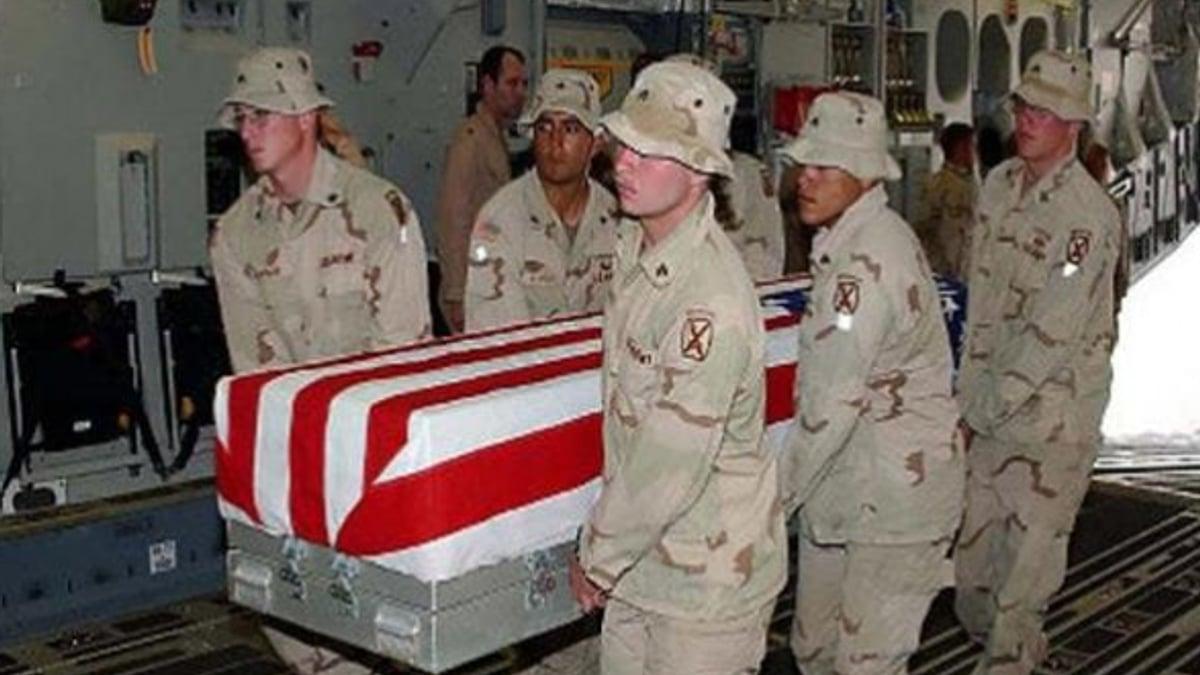
The Guardian reported that Centcom said the incident brings the total number of U.S. service members who have died since the U.S. and Israel launched war against Iran five months ago to 17, and that more than 430 U.S. troops have been wounded.
The AP said the U.S. announced another death of a service member as it launched more airstrikes at Iran on Sunday in response to the killing of U.S. troops, with the U.S. death toll reaching 17 since the war began.
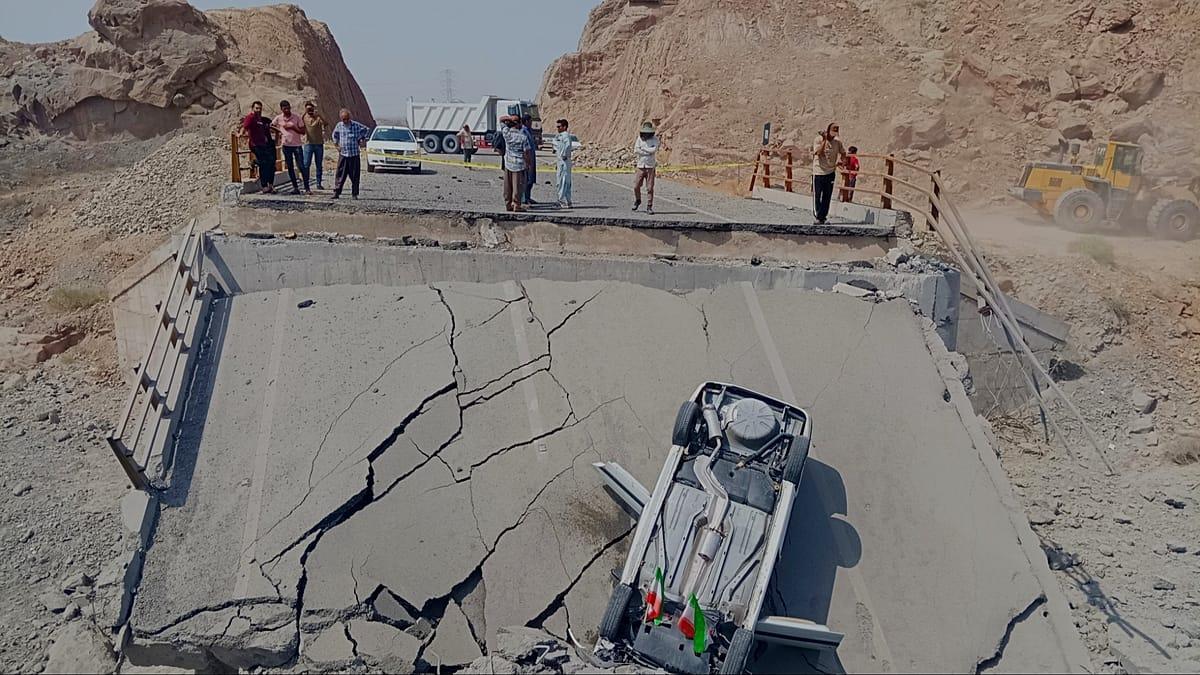
The AP also said the renewed exchanges of fire have seen the U.S. target bridges, water desalination plants and electrical facilities in Iran, while Iran fired missiles toward Jordan that risked widening the conflict into neighboring Israel.
Diplomacy, protests, and warnings
Centcom said it had located unidentified remains in Jordan after a service member was listed as missing in action, and the BBC quoted Centcom adding that "An examination process to verify the remains is ongoing."
The Guardian reported that Jordan’s foreign ministry summoned the chargé d’affaires of the Iranian embassy in Amman on Sunday to deliver "a strongly worded protest message" about the attacks.

The BBC said Jordan summoned Iran’s charges d'affaires in Amman to demand an immediate end to what the foreign ministry called "unjustified and blatant Iranian attacks," insisting that its security was "a red line that cannot be crossed".
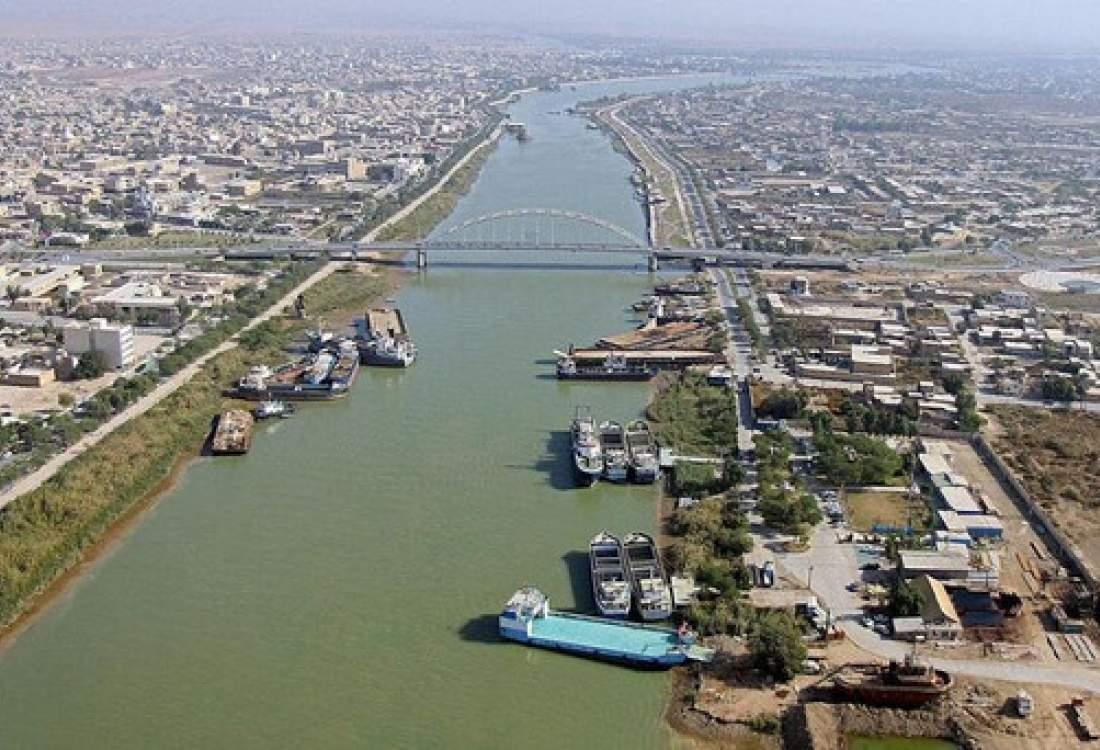
CNN reported that Iranian Deputy Foreign Minister Kazem Gharibabadi warned of "appropriate" response after the country accused the U.S. of attacking the Darkhovin nuclear facility in southern Iran, and said the UN’s International Atomic Energy Agency called for "military restraint" in the vicinity of all nuclear sites.
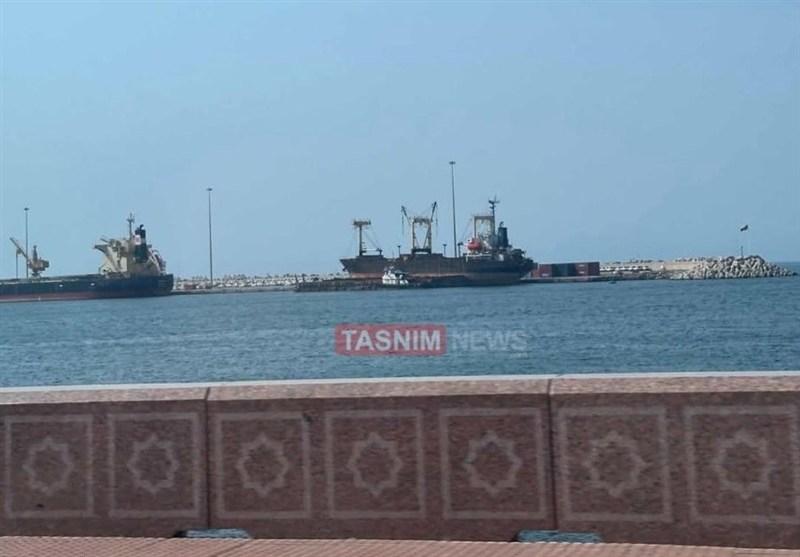
In a separate escalation, the AP said the U.S. military’s Central Command hit "Iranian military coastal surveillance and air defense facilities, maritime capabilities and missile and drone storage sites" and said the attack was designed to degrade Iran’s ability to control the strait and "swiftly punish" Islamic Revolutionary Guard Corps forces.
What’s at stake next
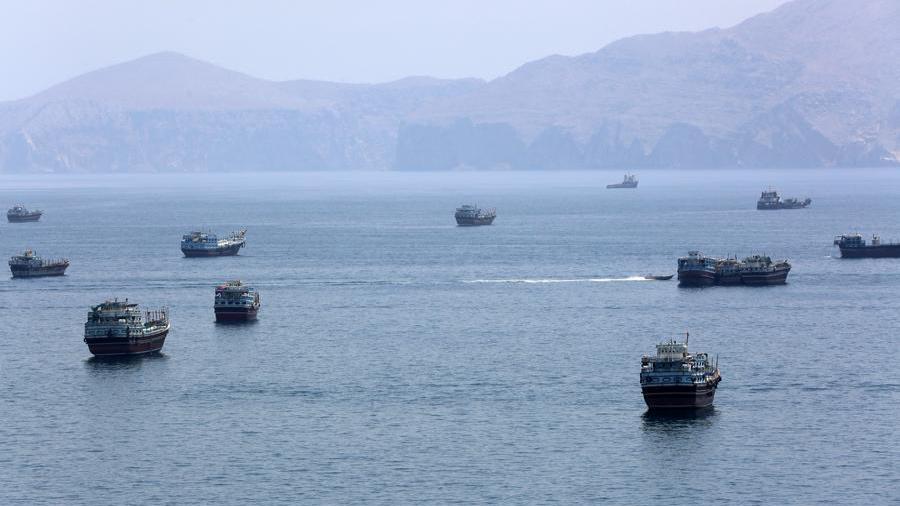
The AP said the renewed exchanges have jeopardized last month’s interim deal meant to permanently end the fighting, and it described shipping traffic in the Strait of Hormuz as largely stalled as both sides targeted civilian infrastructure relied on by millions of people.
The BBC said Washington has reimposed its blockade of Iranian ports and Tehran has declared the Strait of Hormuz closed, while the U.S. military said its latest attacks were designed to "degrade Iran's ability to threaten commercial shipping" in the strait.
CNN reported that U.S. Energy Secretary Chris Wright said about "two-thirds of pre-conflict traffic"—about 14 million barrels a day—is moving through the Strait of Hormuz despite renewed fighting, and that weekly averages show just under 7 million barrels flow through the strait a day.
The Guardian said European allies in the region reported a fresh wave of Iranian fire, with air defences intercepting strikes in Jordan and Bahrain, and it tied the escalation to fears that the war could spiral further into a wider regional conflict.
In Iran, the BBC said at least 50 people have been killed and more than 500 injured in U.S. strikes over the past three weeks, while it also reported that Iranian media said an under-construction nuclear power plant in the south-western city of Darkhoveyn had been struck overnight and that the IAEA said the site was "in the very early stages" and contained no nuclear material during its last visit.